
Last updated November 16, 2026
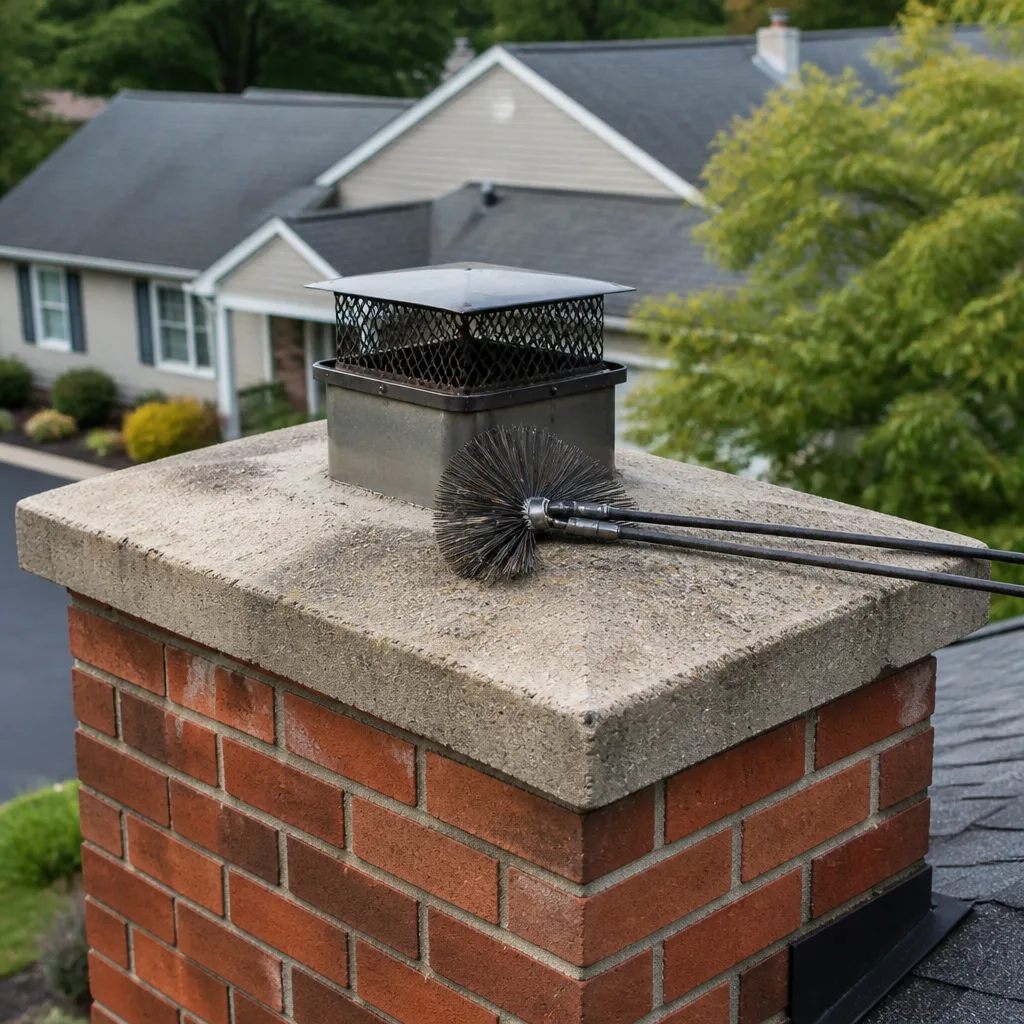 Sweep & inspection
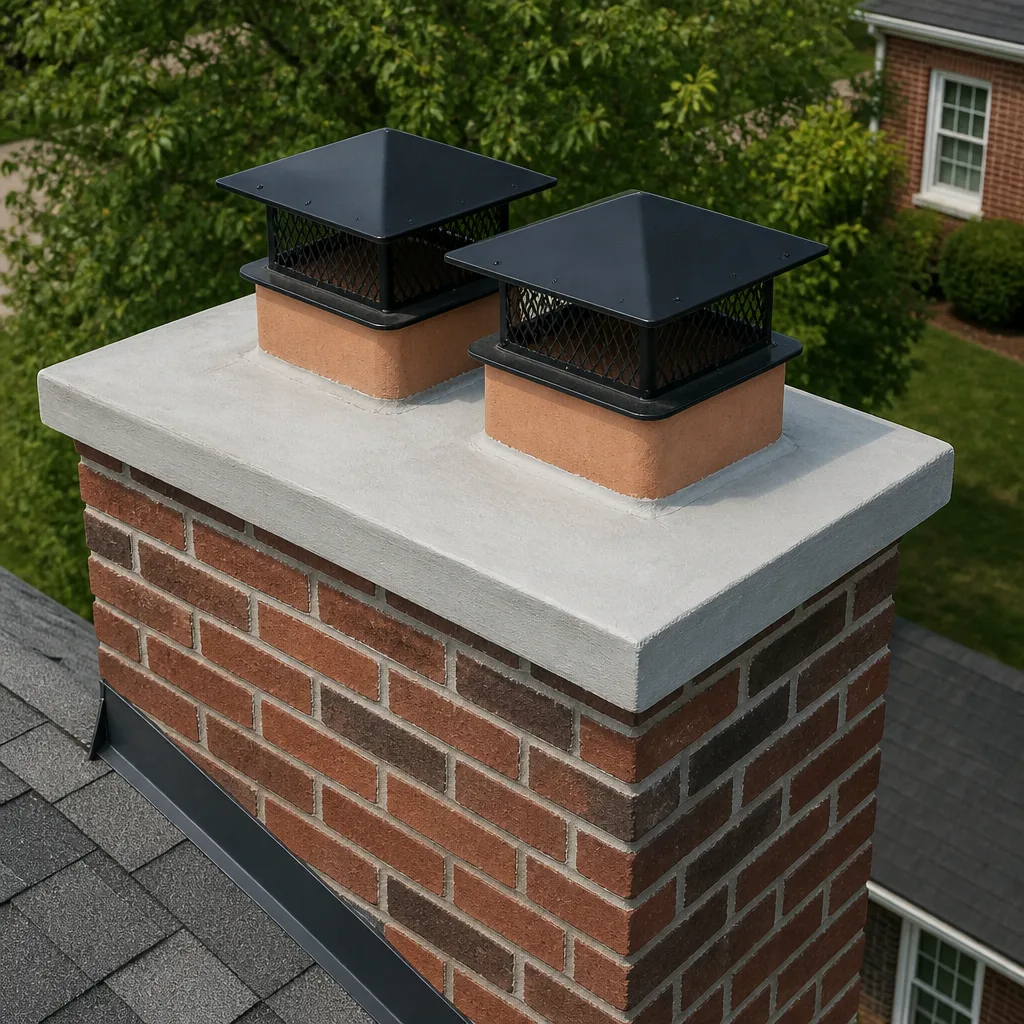 Caps & crowns
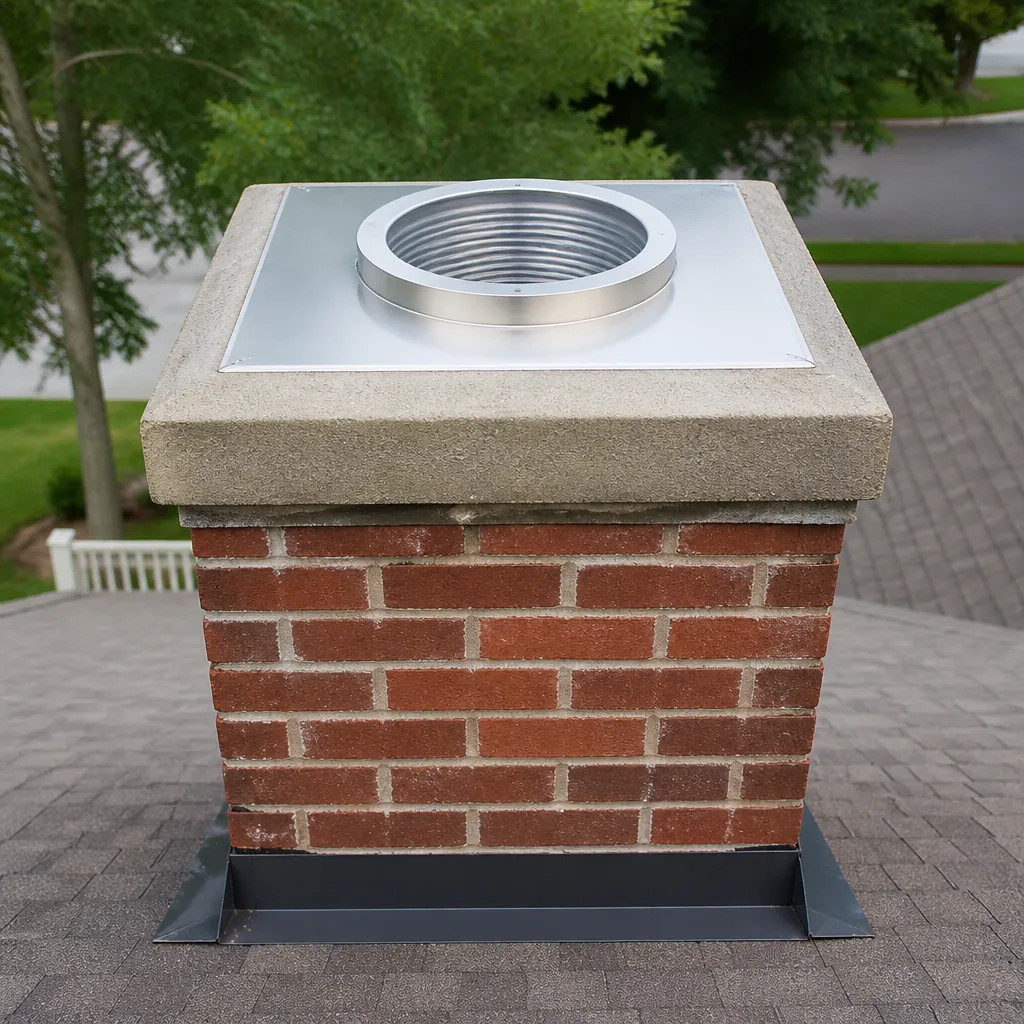 Flue relining
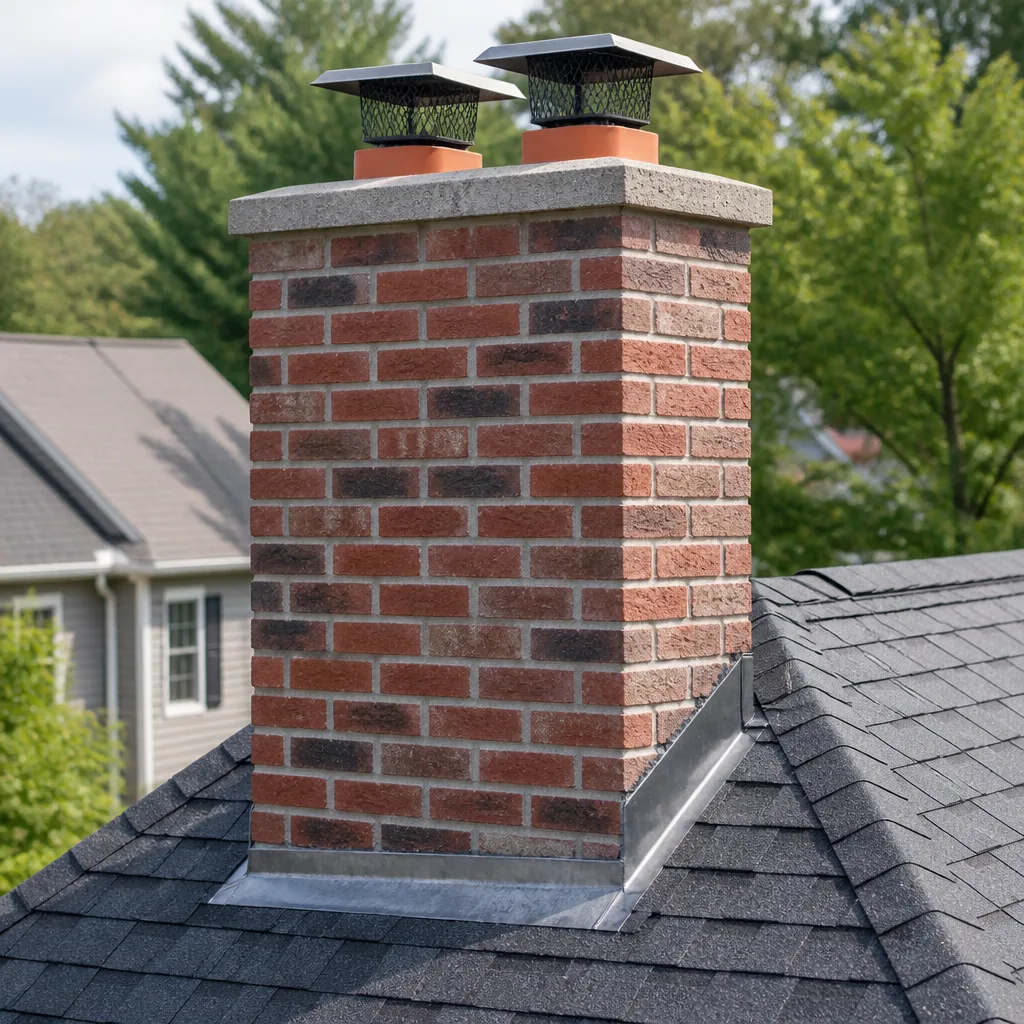 Masonry repair
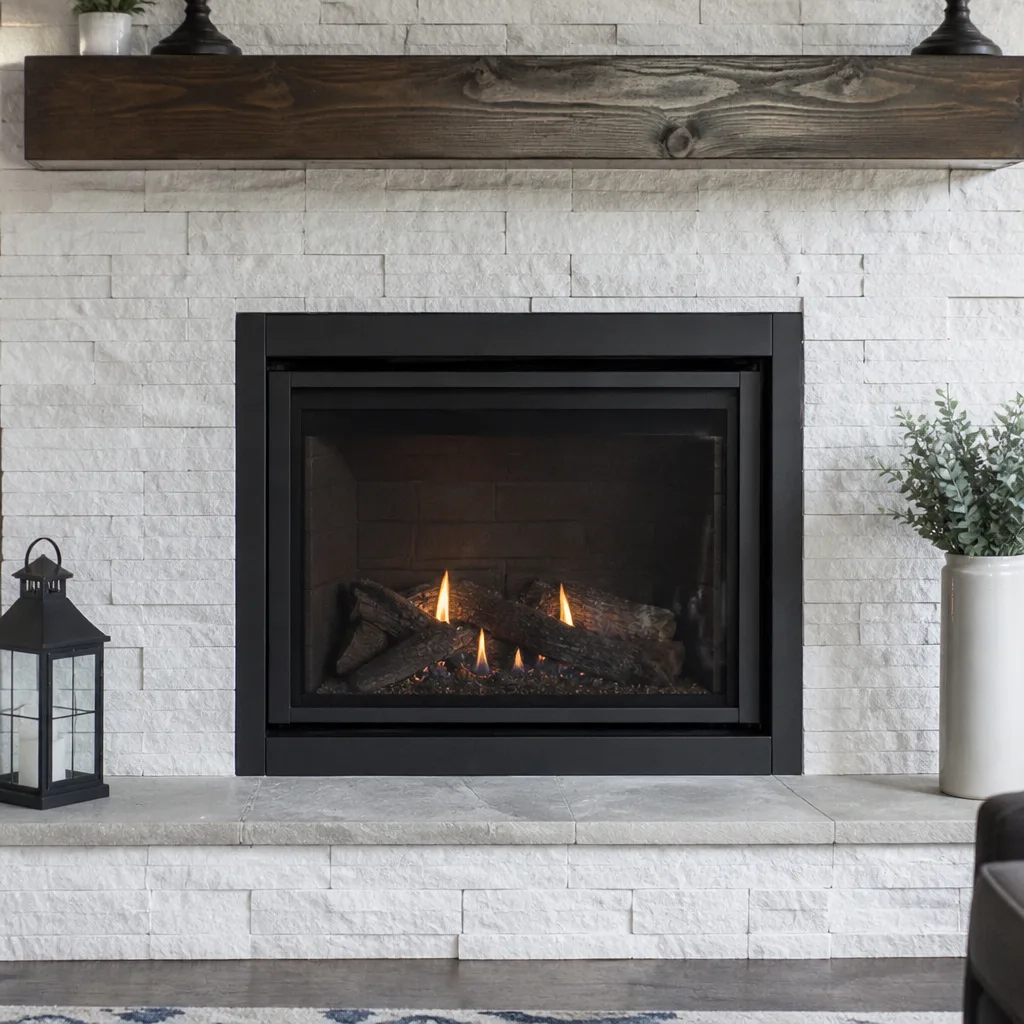 Gas fireplace service
Level 1 sweep and inspection to the NFPA 211 annual standard - flue, crown, cap, and flashing checked and photographed
Chimney sweep logs do not sweep chimneys. They loosen some creosote - which then falls where a brush and vacuum still have to collect it.
Choosing the Right Chimney Cleaning Brand: A Buyer’s Guide for Vacaville
When a chimney company lists the specific products they use – a SootEater rotary system, a Rutland creosote treatment, a HeatShield resurfacing compound – it isn’t name-dropping. It’s the fastest signal you’ll get that they’re a specialist rather than someone who bought a general-purpose kit and started advertising. Most homeowners never see the products because they’re used inside a flue, up on a roof, or mixed in a bucket before the work starts. That gap is exactly where low-quality cleaning hides. This guide explains the professional product landscape for Vacaville homeowners: what different tools are actually designed to remove, when chemical treatments are necessary versus optional, and the questions to ask that reveal whether the person on your roof knows their trade or is guessing.
Quick Answer
The right chimney cleaning professional in Vacaville uses brand-specific rotary tools (like SootEater), professional-grade creosote treatments (like Rutland), and resurfacing systems (like HeatShield) tailored to what’s actually inside your flue – not a one-size-fits-all brush. A well-equipped chimney-only specialist will name the products and tools they use without hesitation, because the choice of product is the difference between a surface sweep and a real diagnosis of what your chimney needs.
Styles & brands we work with
- Sweep & inspection
- Caps & crowns
- Flue relining
- Masonry repair
- Gas fireplace service
Table of Contents
- Why the Brands a Chimney Company Names Actually Matter
- Rotary Cleaning Systems vs Standard Brushes: What They Actually Remove
- How Professional Creosote Treatments Work – and When You Need Them
- What Resurfacing Products Like HeatShield Do That a Sweep Cannot
- Chimney Caps, Liners, and Local Durability
- Questions to Ask Any Vacaville Chimney Company
- What a Proper Chimney Cleaning Looks Like, Step by Step
- Inspection Products and Documentation for Real Estate and Insurance
Why the Brands a Chimney Company Names Actually Matter
A chimney sweep’s truck – or their tool bag, if they’re a small specialist operation – tells you nearly everything about the scope of work they can handle. The products inside it reveal whether you’re getting a basic brush-down or a real assessment of your flue’s condition. When a company can name the professional lines they work with, three things are true at once: they’ve been trained on those specific tools, they buy from chimney-specific supply channels rather than general hardware stores, and they’ve invested in the products that actually fit the diagnosis they plan to make.
Consider what the pipe in your walls does over a season. Every fire deposits creosote – a tar-like substance that changes form depending on how hot the fire burned and how much moisture the wood held. A standard stiff-bristle brush removes the light, flaky, third-degree creosote fairly well. It barely touches the glazed, tar-like stuff. That distinction is the entire reason brand-specific chemistry exists, and it’s why a well-equipped Vacaville chimney company will narrow down what’s inside the flue before deciding which tool and which treatment to reach for.
The strongest signal isn’t the biggest name on the list, it’s the specificity. Ask, “What do you use to remove glazed creosote?” A generalist will say “we sweep it out.” A specialist will mention a rotary system, a specific creosote remover, or a both. That moment tells you whether the person on your roof has a plan or a brush.
We work with professional lines including Gelco chimney caps and HeatShield resurfacing materials, and we name them for exactly this reason: when you hear a chimney company cite brands you can look up, you can verify that they’re buying the right tools for the job. Learn more about how we approach this on our Chimney Sweep Vacaville page.
Rotary Cleaning Systems vs Standard Brushes: What They Actually Remove
The two families of cleaning tools do different jobs. A standard rod-and-brush setup is built for routine annual maintenance on a flue that already burns relatively cleanly. The brush is spun or plunged by hand, knocking loose soot and light creosote off the interior walls. That’s appropriate for the typical annual cleaning, and it’s what most homeowners picture when they call for a chimney sweep in Vacaville.
Rotary systems work differently. A rotary tool (SootEater is one of the most recognizable professional rotary products) attaches a spinning whip to a hand drill or a powered system. Instead of pushing bristles against the wall, it spins flexible chains or a whip head at a high speed so it whips the flue surface from every angle. That does two things a stiff brush cannot:
- It clears glazed and slick deposits. The spinning motion reaches the tar-like creosote that a brush slides past.
- It cleans irregular flue shapes. A round standard brush struggles in oval or rectangular clay-tile flues, which are common in older Vacaville masonry chimneys. The rotary whip adapts to the shape.
The rotary tool is the one you want to hear named when you describe a stubborn flue. But it’s not a universal upgrade – on a lightly used chimney with light deposits, a standard brush and careful inspection are appropriate, and a company that reaches for the rotary tool on every job may be upselling. The right answer depends on what the technician actually finds with a camera before the cleaning starts.
- The technician inspects the flue with a camera and records the creosote level.
- Light deposits get a standard brush sweep.
- Glazed or stubborn deposits get a rotary system followed by a chemical treatment if needed.
- The camera goes back up after cleaning to confirm the flue is actually clear before it’s declared done.
That fourth step matters. Anyone can sweep blindly and hand you a receipt. The evidence is the camera footage, and a specialist should be willing to show it to you. You can read about our chimney sweep service to see how that process plays out.
How Professional Creosote Treatments Work – and When You Need Them
Professional creosote treatments are biochemical products – Rutland is one of the best-known names, and you’ll see products like Anti-Creo-Soot mentioned when a technician talks about them. They aren’t simple sprays. They work by reacting with the tar-like structure of second- and third-degree creosote, changing its chemistry so it dries and cracks into something a brush or rotary tool can actually dislodge. Some products are applied directly to the flue surface; others are burned in the firebox over several fires, with the treatment carried up the flue as a vapor.
When creosote treatment is necessary
- When the camera shows glazed, tar-like deposits. The classic scenario – a slow-burning or wet-wood fire producing thick buildup that a brush passes over.
- When the flue has a restricted draft or a strong smoky odor. Both suggest heavy buildup narrowing the passage.
- When the last cleaning didn’t clear the problem. Some glazed deposits need a chemical softener before the rotary tool can remove them.
When it’s optional or unnecessary
- On a flue with light, flaky creosote and a clean burn history. A standard sweep handles it.
- As a preventive add-on for a chimney that’s already clean. Some companies will try to sell a treatment on every visit. That’s a red flag if there’s no visible deposit to treat.
Ask the chimney company how they decide. A specialist diagnoses the creosote level with a camera first, then treats what’s there. A generalist often sells the treatment by default. The distinction is worth understanding before you book. We regularly see heavy glazed buildup on Vacaville chimneys that burn softer woods and damper the firebox too far down, which is one of the most common causes of stubborn deposits.
What Resurfacing Products Like HeatShield Do That a Sweep Cannot
A sweep cleans. It cannot repair. That sounds like a trivial distinction until you’re handed a recommendation for thousands of dollars of liner work – or worse, until a sweep misses that the flue’s interior is cracked and simply cleans over it. HeatShield is the product family most associated with chimney resurfacing and liner restoration, and it’s where the scope difference between a tile-and-mortar chimney specialist and a brush-only operation becomes obvious.
What resurfacing handles
- Spalled or cracked clay tile joints. The mortar between flue tiles breaks down. A resurfacing compound is applied to rebuild a smooth, sealed interior surface.
- Pitted or flaking interior walls. The surface erodes over years of heat and moisture, leaving rough spots that collect creosote and speed up deterioration. Resurfacing restores the smooth passage.
- Restoring a flue rather than replacing it. Where full relining isn’t necessary, resurfacing brings the flue back to a workable surface condition – a category most sweep-only companies can’t offer.
The complication is verification. A resurfacing product applied by an untrained hand is worse than no product at all, because it hides the problem underneath. That’s why the process matters more than the brand name on the bucket. If a chimney company tells you resurfacing is necessary, ask how they confirmed it and whether you can see the footage. A specialist with something to hide won’t want you looking at the camera screen. A specialist who’s done the job right will.
This is the clearest dividing line between a cheap sweep and a professional service. A sweep-only operator can clean a chimney but can’t fix the underlying condition. When the interior of a flue gets compromised, resurfacing is the difference between a repair and a full reline – and that decision requires a specialist who can see both options. Our chimney repair service exists for exactly this category of work.
Chimney Caps, Liners, and Local Durability
If you’re going to live with a chimney in Vacaville for years, the durability of what sits on top of it and inside it matters more than the initial price tag. The cap, the liner, and the flue surface all face the same conditions: hot, dry summers followed by wet winters, with a long stretch of the year where the flue is wet but not in use. Moisture is what actually shortens a chimney’s life, not the heat of the fire.
Brand selection shows up in the products that protect against moisture:
- Chimney caps (Gelco and similar). A properly sized, well-made cap keeps rain, animals, and debris out of the flue year-round. A poorly fitting or cheaply built cap lets water in and pools it where the flue meets the crown.
- Liner materials and systems. A stainless or professional liner system selected for the type of appliance and the flue’s dimensions will outlast a generic one, especially in a climate where the flue sits unused for months and then gets fired up hard in the cooler season.
- Flue tile and masonry materials (Famco, Olympia Chimney, and similar professional lines). These are the materials that make up the flue structure itself. When repair or relining is planned, the quality of the tile, the mortar, and the crown materials determines how long the fix lasts.
What Vacaville homeowners actually want to know is: what product are you putting on my roof, and how does it perform over time? The answer shouldn’t require a chemistry degree. A specialist can explain the trade-off in plain terms and show you examples. Avoid the language of “standard” materials as a dodge – if a company can’t name what they install, they probably don’t install enough of it to have a preference, which tells you something about the depth of their chimney work. For a broader primer on this city’s local considerations, our Vacaville page covers the area’s climate and housing stock in more detail.
Questions to Ask Any Vacaville Chimney Company
The best due diligence costs nothing and takes five minutes on the phone. Ask these questions before you book. You’ll learn more than you would from a page full of reviews.
- “What does your cleaning process involve, start to finish?” You want to hear “inspection, cleaning, camera check, memo.” A vague answer about “sweeping out the chimney” means no process.
- “What do you use for glazed creosote?” A specialist names a rotary system or a specific chemical treatment. A generalist reaches for the brush.
- “Do you offer resurfacing or only relining when a flue is damaged?” If the answer is only relining, you may be over-quoted. If they offer resurfacing as well, the company can actually triage the problem.
- “Can I see the camera footage?” This is the single most important question in this guide. Anyone who can’t show you the inside of your own flue has no business advising on it.
- “What chimney cap brands do you install, and why?” The brand doesn’t have to match ours. What matters is that they have a real answer about durability and fit, not “whatever the supply store had.”
- “Will you inspect the flue every visit, or only clean?” The cleaning and the inspection aren’t optional extras. A specialist inspects while cleaning.
- “Do you have documentation for inspections and real estate transactions?” If you’re buying or selling, this matters. A formal inspection report is a different product from a cleaning receipt.
In our experience, the most common gap in the answers isn’t dishonesty – it’s that the person on the phone genuinely doesn’t know their own products. That’s the signal you need to escalate. Learn more about what a professional chimney sweep visit actually involves if you want a benchmark to compare answers against.
What a Proper Chimney Cleaning Looks Like, Step by Step
Every professional cleaning follows the same rough structure, and the sequence matters. Here’s what should happen on a well-equipped job, in order:
- Pre-work walkthrough. The technician walks the fireplace, the chimney exterior, and the roof from the ground – checking the cap, the crown, the flashing, and the masonry before anything goes in the flue. Any obvious damage goes in the report.
- Protection of the surrounding area. Drop cloths go down around the fireplace and the floor. The flue gets a seal so the sweep doesn’t end up dusting the room.
- Flue camera inspection. A camera goes up the flue before cleaning. The technician records the creosote level and any damage, and saves the footage.
- Cleaning by method. If the deposits are standard, a rod and brush. If they’re glazed or irregular, a rotary system is set up. The choice is made after the inspection, not before.
- Chemical treatment if needed. For stubborn glazed creosote, the treatment goes on, the flue is re-swept, and the camera goes back up to confirm.
- Debris removal and cleanup. All the soot and creosote ends up in a HEPA-type vacuum and a bag, not on your hearth.
- Post-clean camera check and documented report. The footage and the findings go in writing – condition, creosote level, recommendations, and a plain statement about whether anything needs attention now or can wait safely.
That last step is where the dishonest operator hides. If you’re ever quoted thousands of dollars for a new liner, you should be able to see the footage that justifies it. If you can’t see the footage, ask why. A straight answer is always available. If the answer is “we just show the homeowner the report,” ask to see the screen. This is not an unreasonable request – and a specialist with nothing to hide won’t treat it like one.
We provide a written report with the camera evidence so you can verify what we found rather than take it on faith. Call (844) 797-8347 for a free estimate and to schedule a visit. We answer 24/7. Fast dispatch from 7am to 7pm, Sunday through Friday.
Inspection Products and Documentation for Real Estate and Insurance
A cleaning and an inspection are not the same thing. A cleaning removes soot and creosote. An inspection documents the condition of the entire chimney system – flue, liner, cap, crown, firebox, damper – for a buyer, seller, or insurer who wasn’t on the roof and needs a professional’s record of what’s there. In real estate transactions, that record is usually the deciding document.
The equipment that matters for this is the documentation side, not the cleaning side. A camera system with recording and still-frame capture, a proper report template that records conditions consistently, and a technician who knows that a report saying “flue is serviceable” carries legal weight. For an insurance claim after a chimney fire – one of the most catastrophic household events – the written record of the chimney’s last inspection can be just as important as the footage itself.
If you’re buying a home in Vacaville, ask for the inspection report specifically, not a cleaning receipt. If you’re selling, get the inspection done before a buyer does. A specialist who works with real estate transactions knows the difference and can tell you what their reports look like. A general scheduler who cleans chimneys on the side usually can’t. Our team routinely provides chimney repair estimates off the back of inspection findings, so the report is built to support actual decisions.
Common Mistakes to Avoid
- Hiring the cheapest sweep. A $99 special is usually a sales visit – the sweep is the loss leader, and the technician’s job is to find liner work you may not need. A second-opinion price without the inspection is meaningless.
- Not asking for the camera footage. If you can’t see what’s inside your flue, you’re trusting the person who profits from finding a problem. Ask to see the screen before any recommendation is made.
- Treating a cleaning like an inspection. A cleaning receipt doesn’t confirm the flue is safe. If you’re buying a home or need documentation for insurance, ask for an inspection report instead.
- Burning softwood with a cold, damp fire in Vacaville. Dampers pinched too low and unseasoned wood are among the fastest ways to build glazed creosote. It’s one of the biggest reasons a cleaning that should have been quick turns into a chemically treated job.
- Skipping the sweep because the fireplace still draws. A chimney can be heavily fouled and still draft, at least until it doesn’t. Annual cleaning is about catching the buildup before it becomes a chimney fire risk – not about fixing a visible symptom today.
- Letting a generalist touch the liner. If the company cleans, installs appliances, and repairs liners all in the same visit, ask who actually performs the liner work. The scope is a specialized lane, and the person touching your flue should do it every week, not once a month.
- Making a decision before burning season starts. A pre-season sweep and inspection get the flue ready before the first fire. Don’t wait for the weather to change before booking.
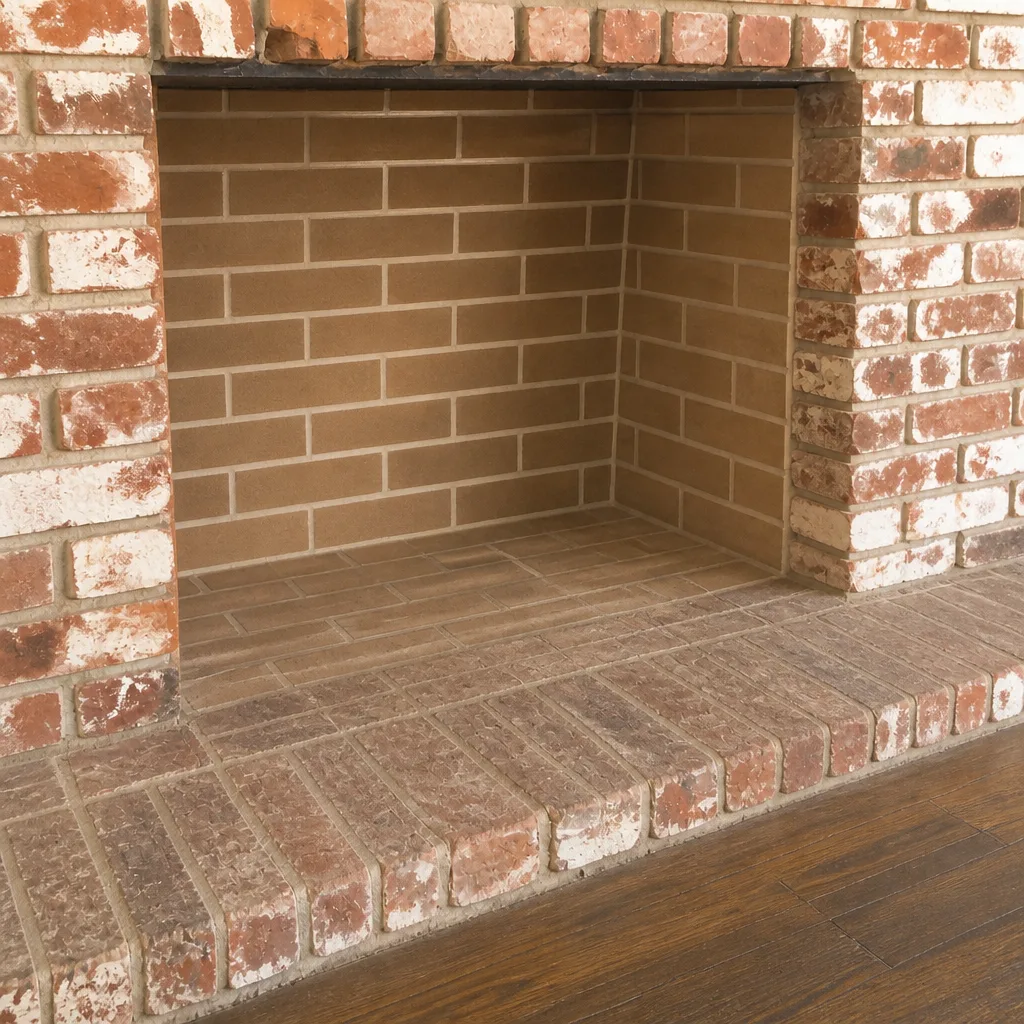
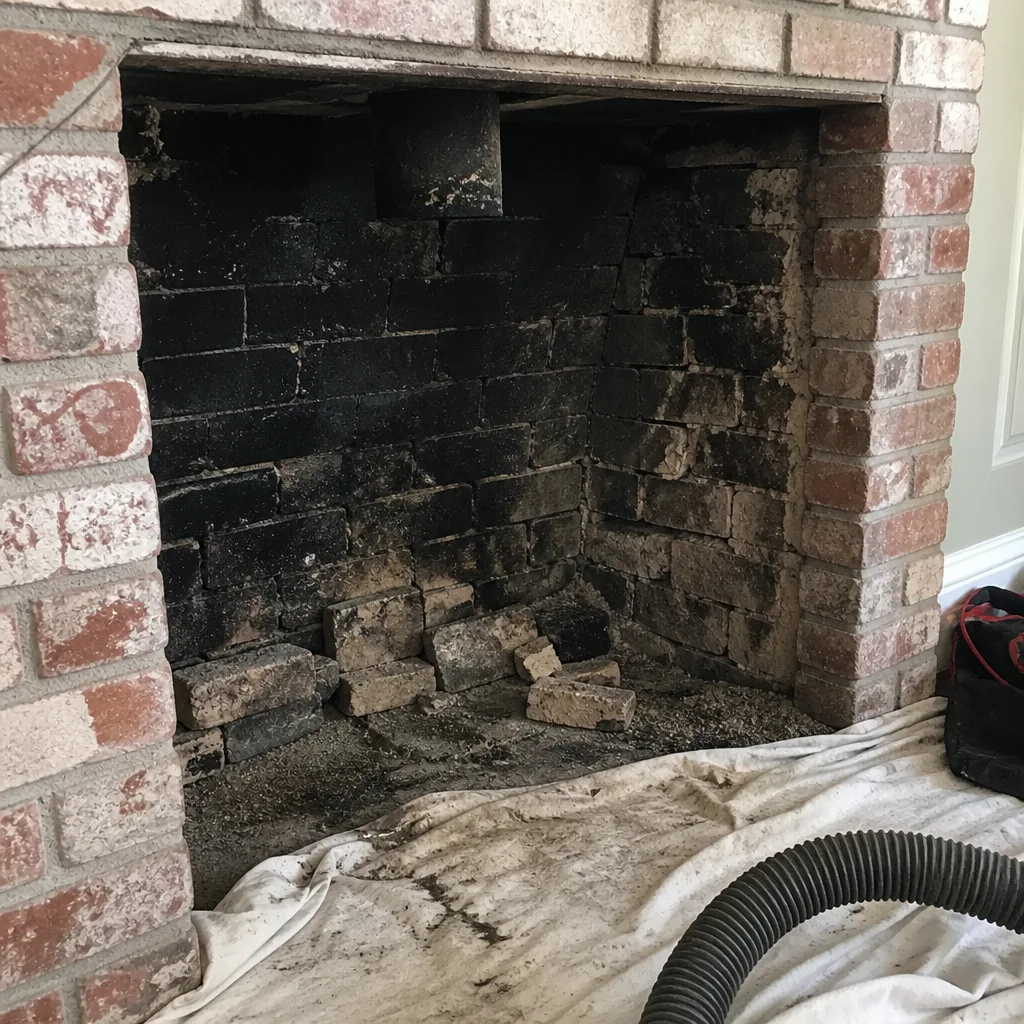
See the difference
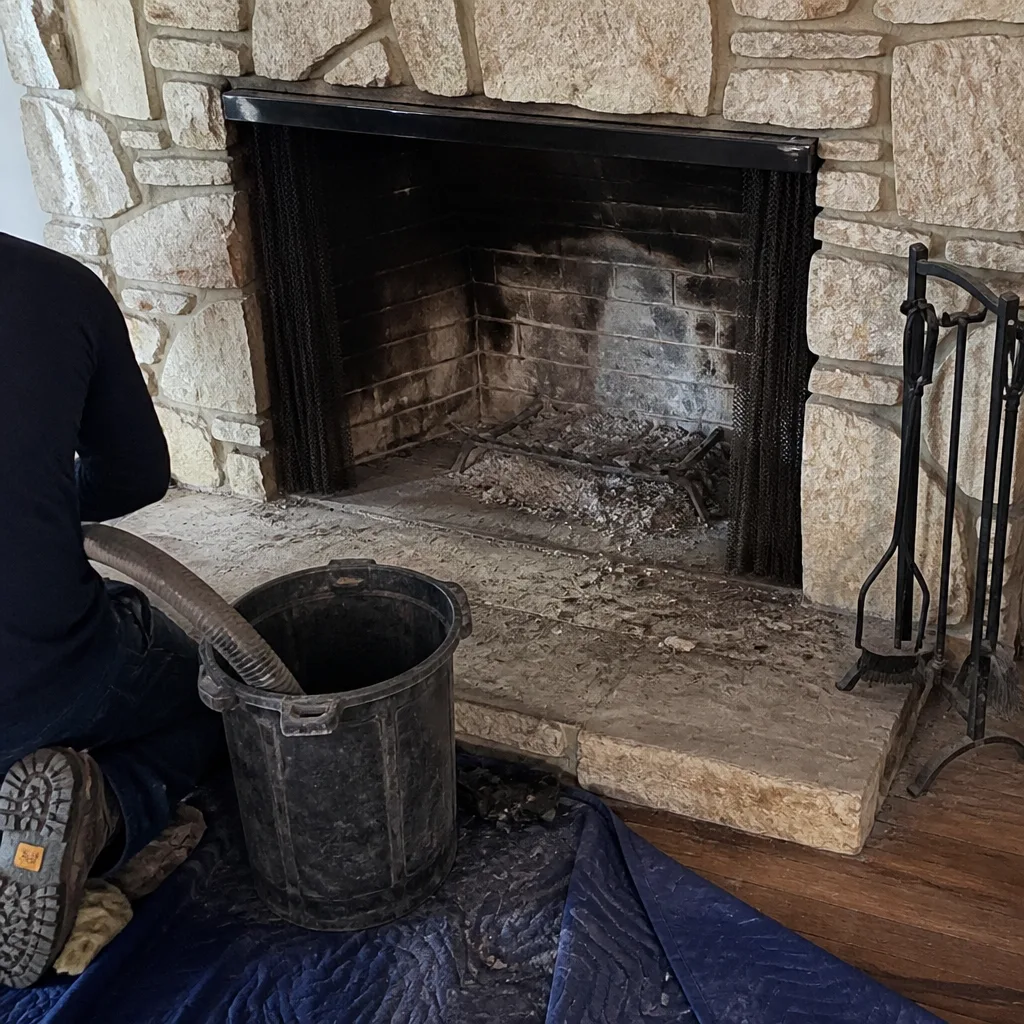 Before
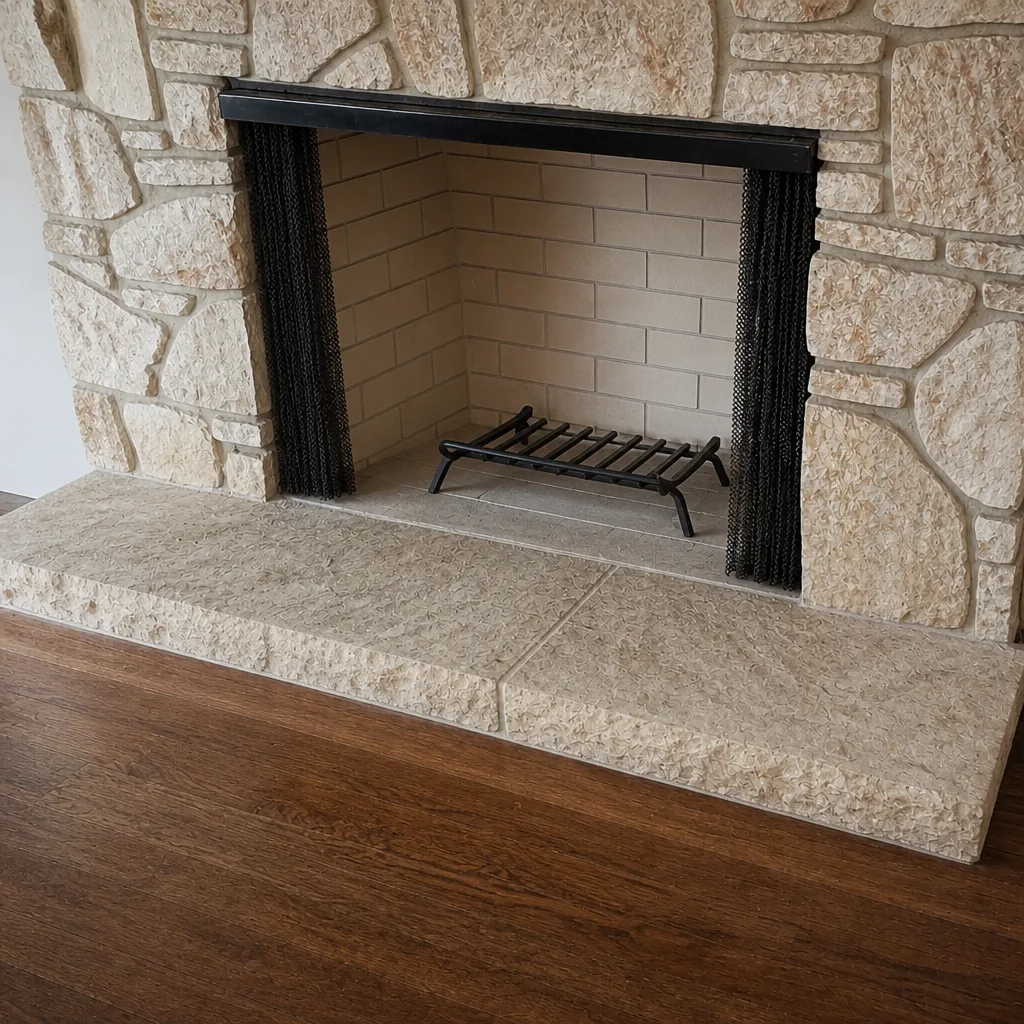 After
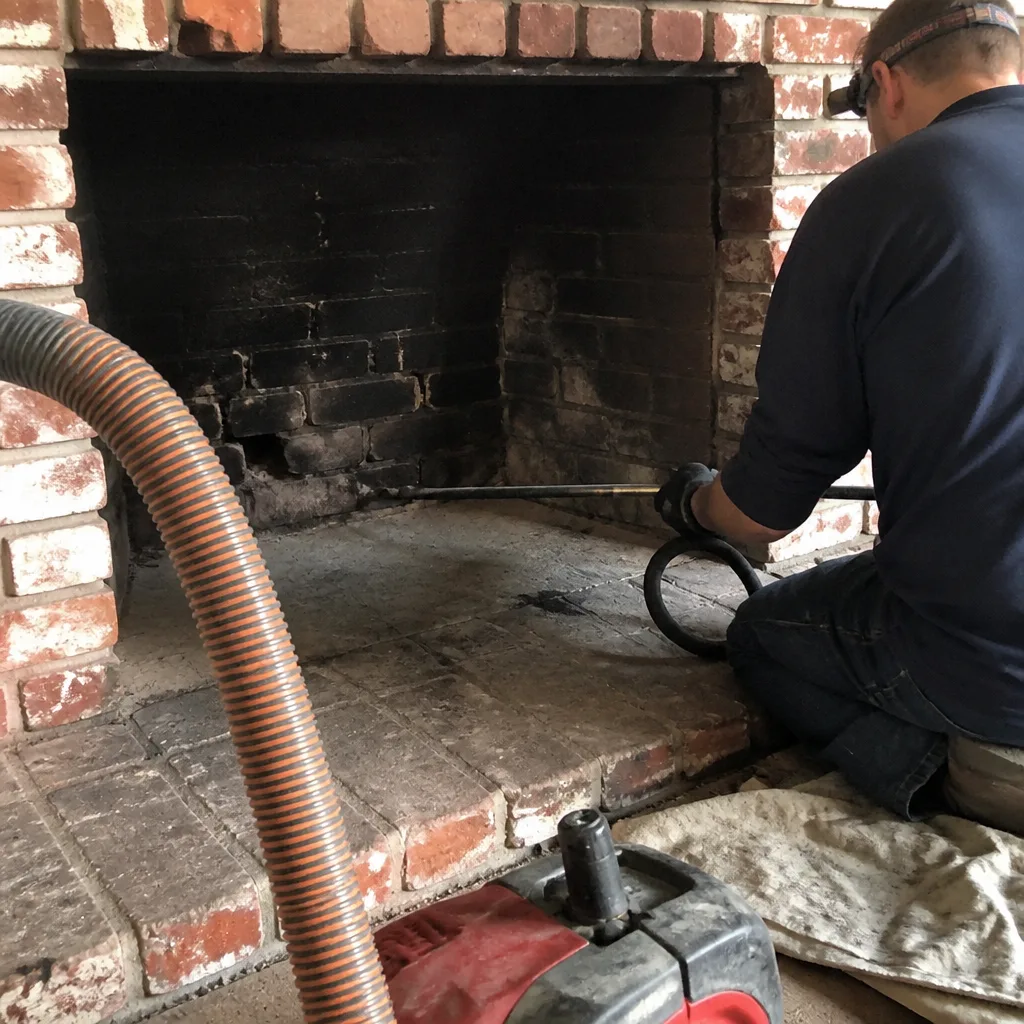 Before
 After
 Before
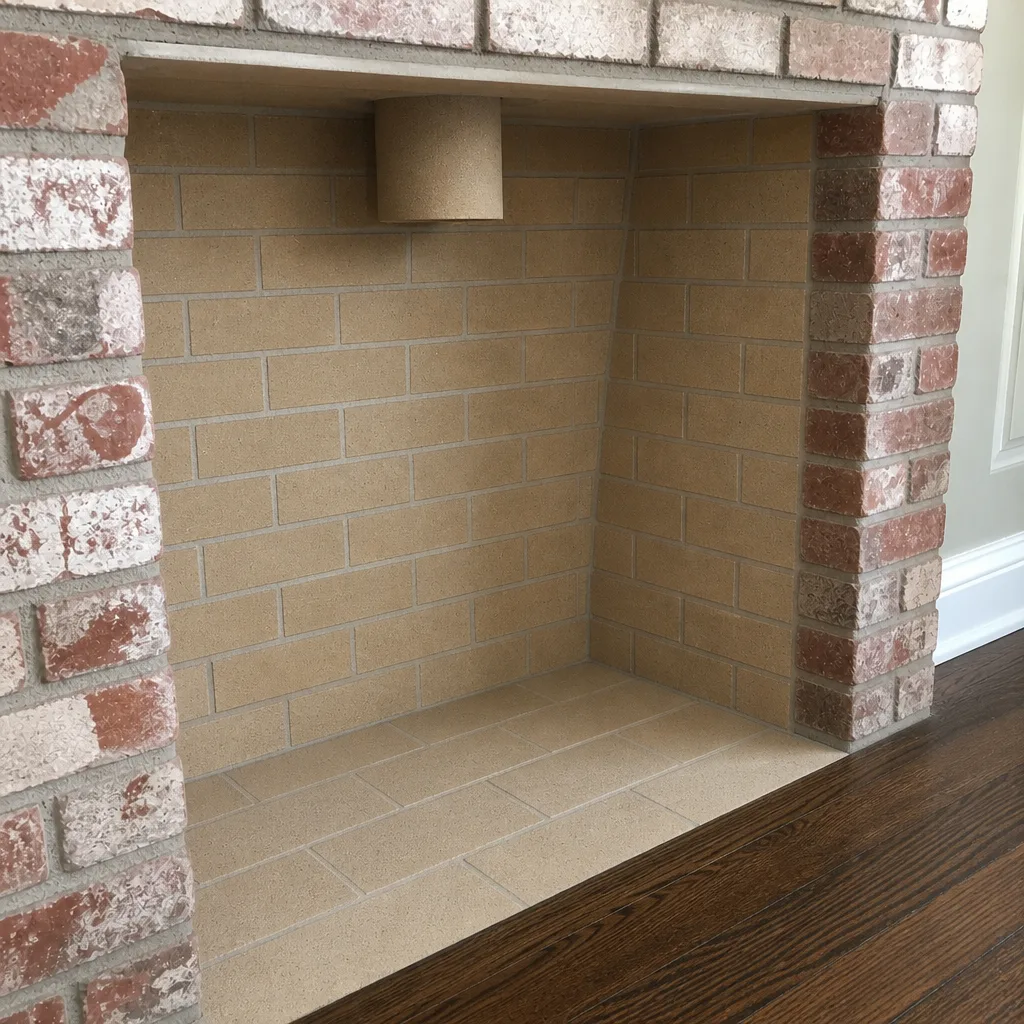 After
When to Call a Professional
Call for a sweep and inspection before burning season starts if you can’t remember your last cleaning, if the fireplace hasn’t been used in a year or more, or if you’ve just moved into a home in Vacaville with an older masonry chimney and no documentation. Call promptly if you notice a strong smoky odor, a chimney that used to draw well and doesn’t, visible flaking or staining on the exterior, or a slow, smoky fire that never wants to burn hot. These are the conditions that call for the camera and the proper tool set – not a guess.
Chimney Sweep Vacaville offers free estimates in Vacaville – call (844) 797-8347. We answer 24/7. Fast dispatch from 7am to 7pm, Sunday through Friday. Nothing is recommended without camera evidence you can see for yourself, and if the work can safely wait, we’ll tell you that too.
Frequently Asked Questions
A chimney sweep in Vacaville is priced per job by a written estimate, not by a flat rate published on a website, because the cost depends on the flue condition, the creosote level, and whether the job needs chemical treatment or a rotary setup on top of a standard cleaning. We provide a free estimate before any work is booked, and the written estimate sets the final price. Call (844) 797-8347 for an exact quote – estimates are free.
Only if the flue itself is damaged – cracked clay tiles, failed joints, or a compromised interior surface. A cleaning won’t fix a cracked flue, but a cracked flue doesn’t always mean a full liner replacement either. If a company recommends a new liner, ask to see the camera footage that shows the damage, ask what a resurfacing option would cost as a comparison, and get a second opinion if it doesn’t add up. Call (844) 797-8347 for a camera inspection – estimates are free.
The general rule of thumb is once a year for a fireplace that gets used regularly through the burning season, and more often if the fire is frequently run slow or with softwood. In Vacaville, where the fireplace is typically unused for much of the year and fires hard through the cooler months, an annual pre-season sweep and inspection is the right baseline. If the flue is heavily fouled on inspection, the next cleaning may come sooner. Call (844) 797-8347 to schedule yours – estimates are free.
Creosote keeps building up inside the flue, and the form it takes gets harder to remove with each season. What starts as light, flaky deposits becomes glazed and tar-like, and that layer is the one that fuels a chimney fire – it burns hot enough to crack tile and spread past the flue. A blocked flue also pushes carbon monoxide back into the house instead of safely up the chimney. The risk compounds quietly, which is exactly why it’s easy to put off. Call (844) 797-8347 for an inspection – estimates are free.
Look for a company that names the products on its tools and in its materials, not just a generic “professional-grade” claim. In practice, that means recognizable professional lines: rotary cleaning systems like SootEater, creosote treatments like Rutland, resurfacing products like HeatShield, and cap and liner materials from makers like Gelco, Olympia Chimney, Famco, or Copperfield. The exact brand matters less than whether the company can explain, specifically, what each product is for and when they use it. Call (844) 797-8347 and ask us what we’d use on your flue – estimates are free.
Same-day service is possible when the schedule allows, so it’s worth asking when you call. For most homeowners, the more useful timing is to book the sweep and inspection before burning season starts rather than waiting for the first cold evening when everyone else is booking too. Call (844) 797-8347 to check current availability – estimates are free. We answer 24/7. Fast dispatch from 7am to 7pm, Sunday through Friday.
The Bottom Line
A chimney sweep is a small purchase with a large consequence. The right company is chimney-only, uses brand-specific tools, sweeps and inspects in the same visit, and will show you the camera footage of your own flue before recommending anything. The wrong company is a generalist with a brush and a sales pitch. Those are different products, and the price difference between them is rarely worth the risk. Before you book in Vacaville, ask what they use for glazed creosote, whether they offer resurfacing or only relining, and whether you can see the camera screen. The answers will tell you who you’re dealing with faster than any review. If you’d like a specialist’s assessment of your chimney, we’re ready to help – call (844) 797-8347 for a free estimate. We answer 24/7. Fast dispatch from 7am to 7pm, Sunday through Friday.
Written by the team at Chimney Sweep Vacaville.