
Last updated November 16, 2026
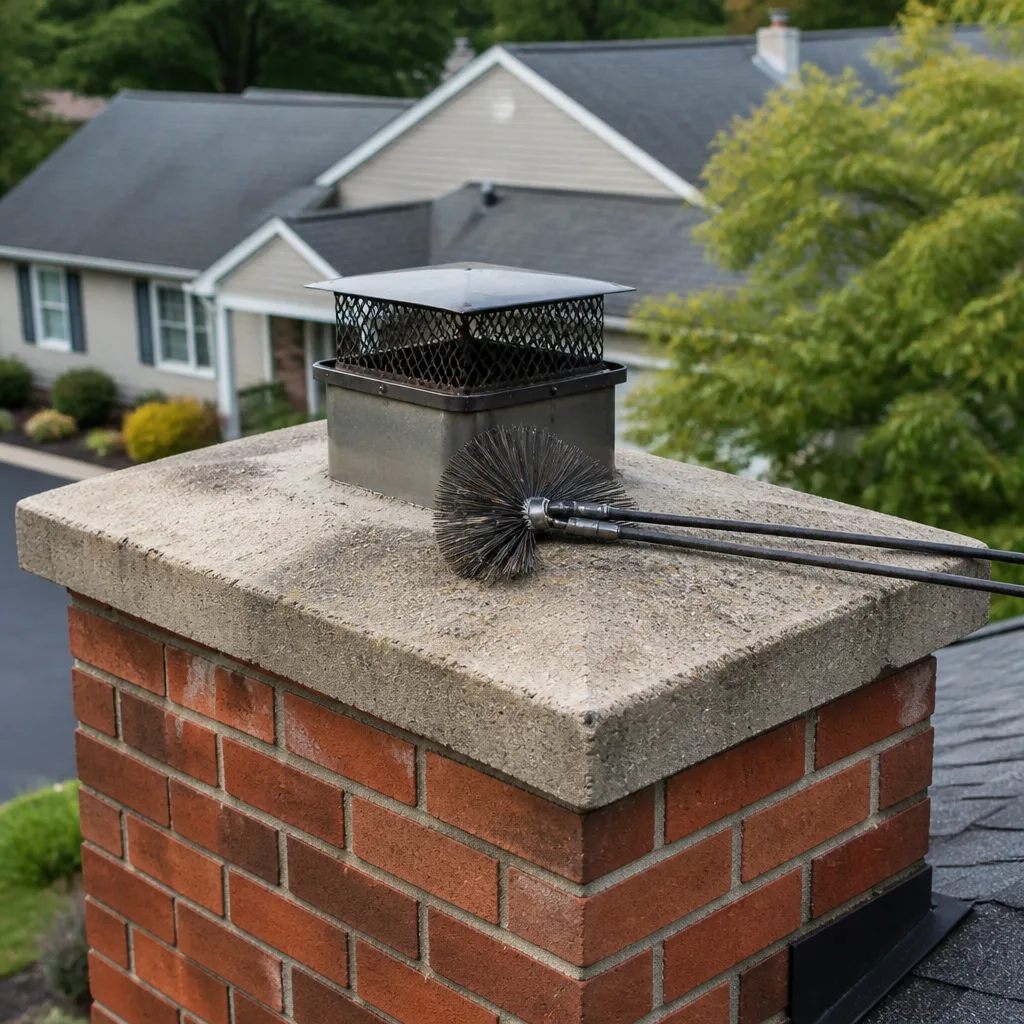 Sweep & inspection
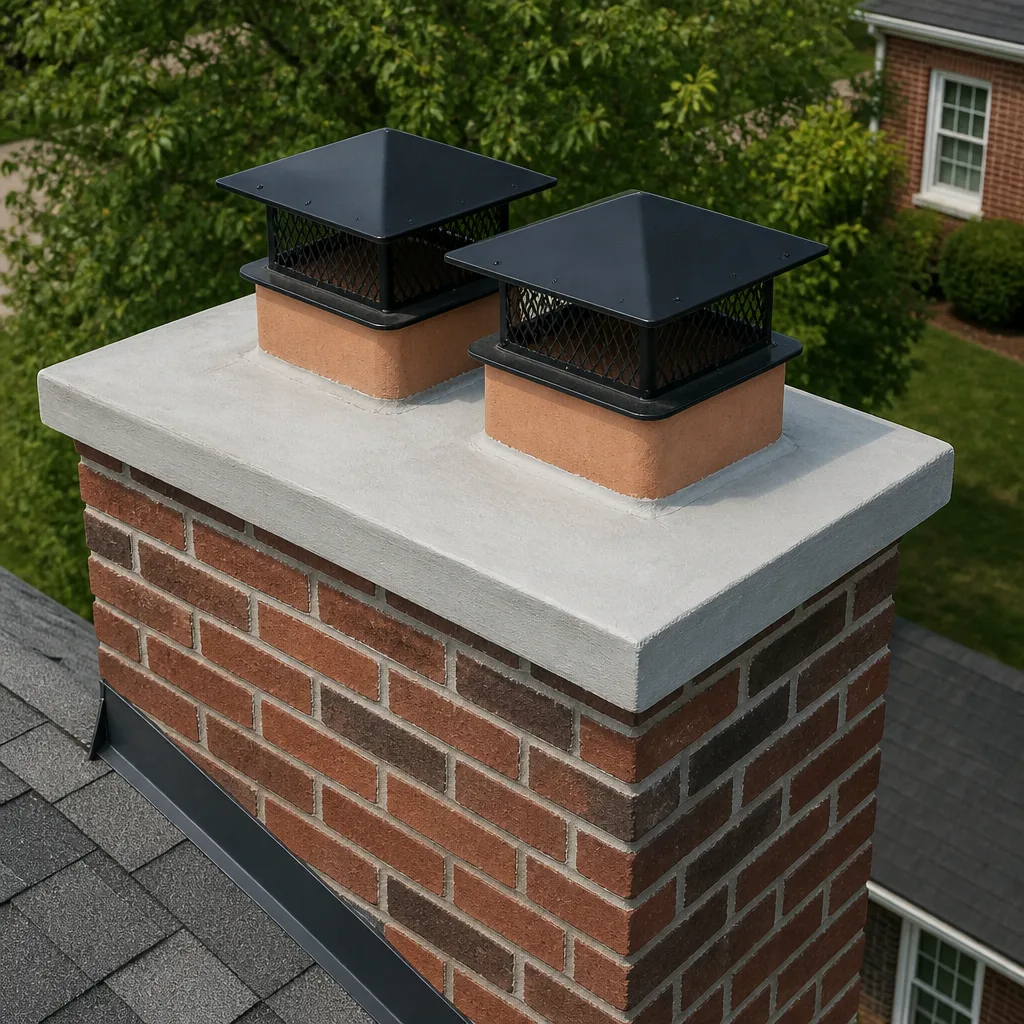 Caps & crowns
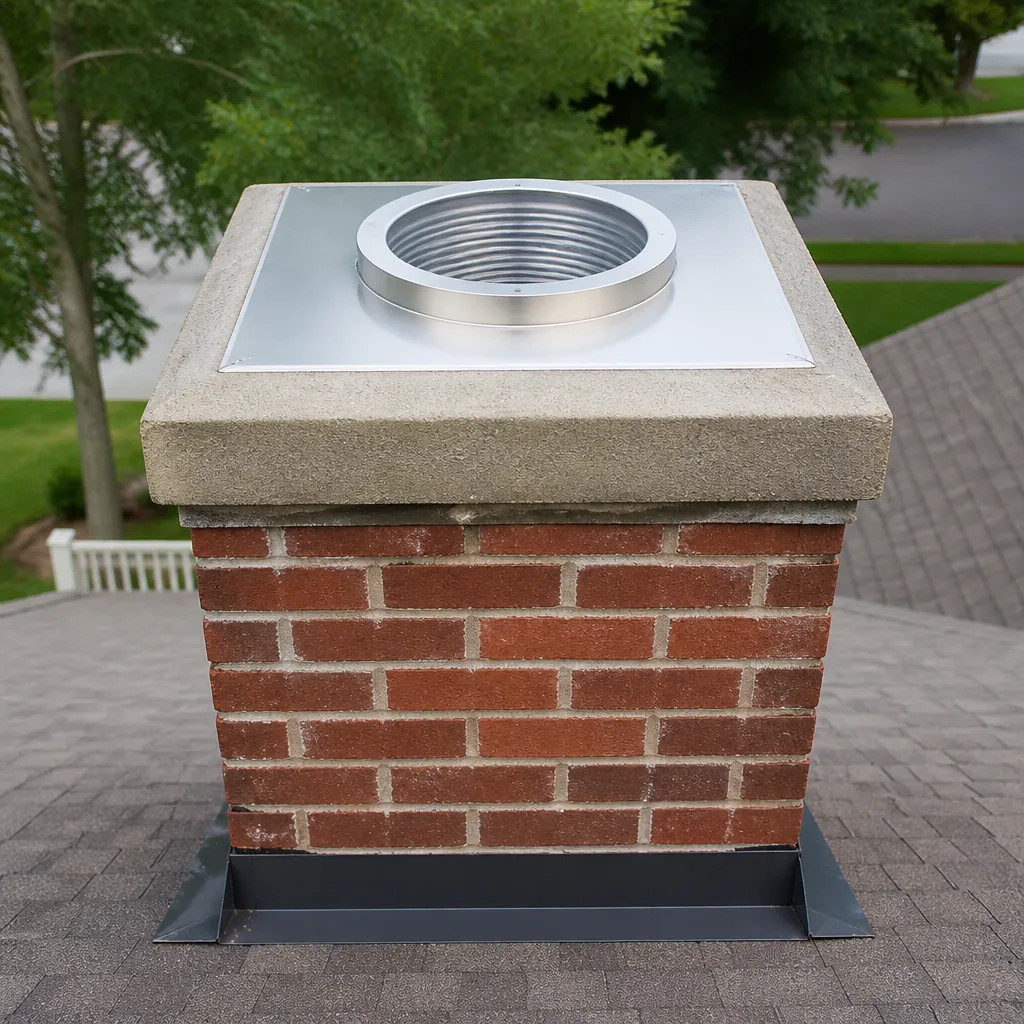 Flue relining
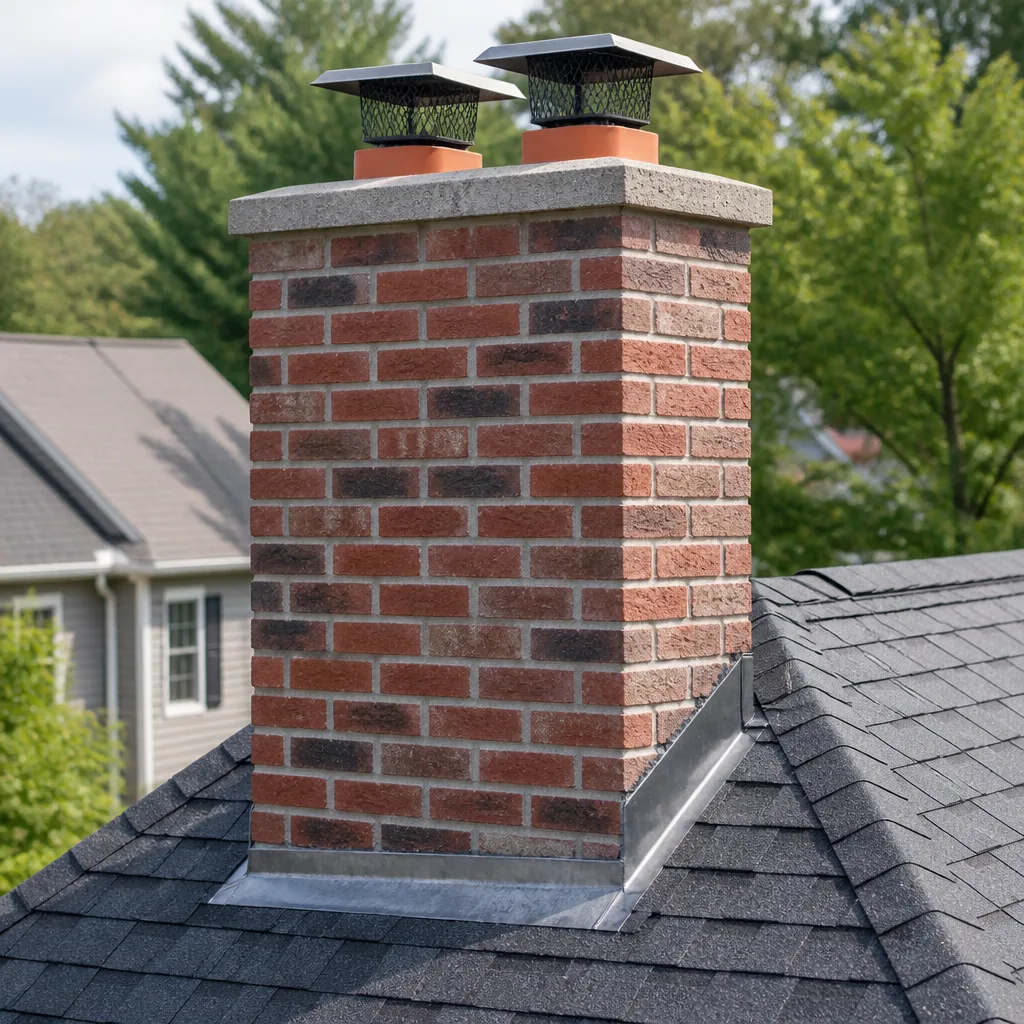 Masonry repair
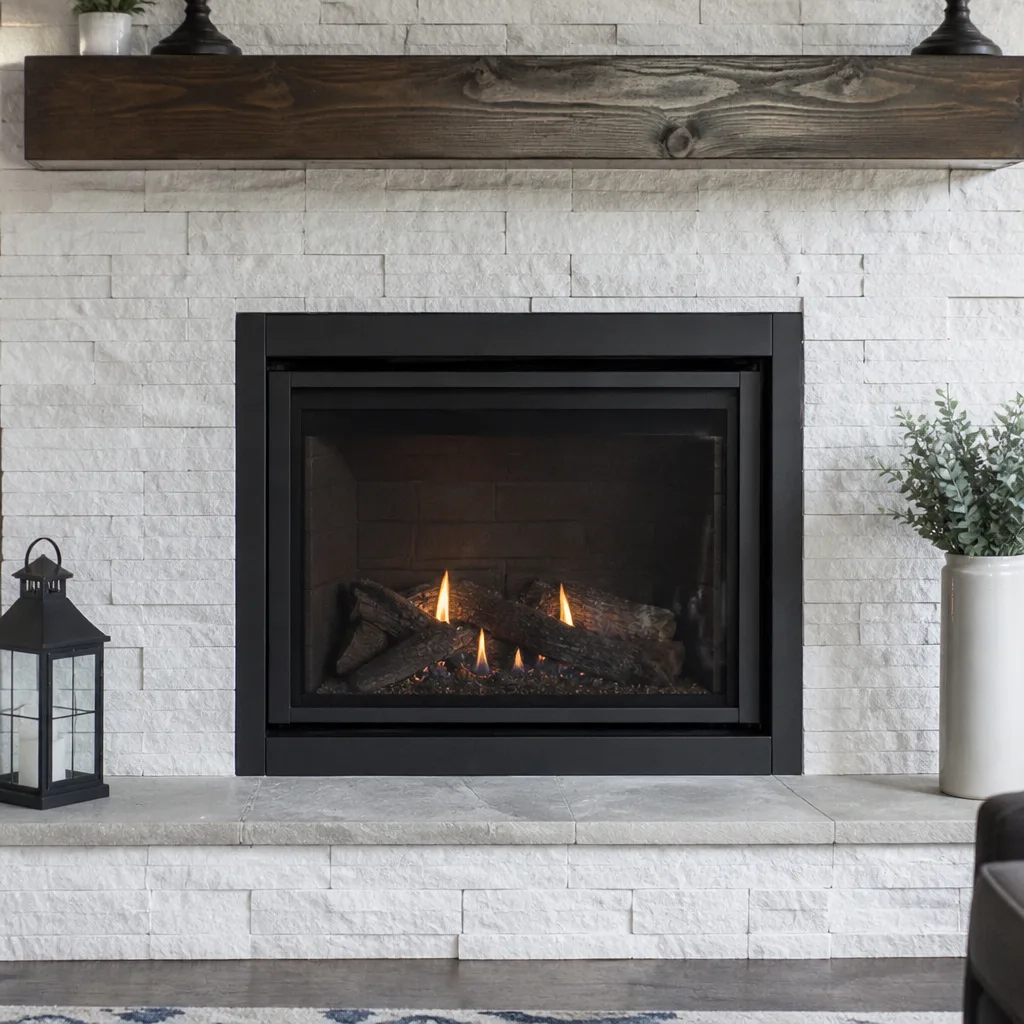 Gas fireplace service
Level 1 sweep and inspection to the NFPA 211 annual standard - flue, crown, cap, and flashing checked and photographed
Chimney sweep logs do not sweep chimneys. They loosen some creosote - which then falls where a brush and vacuum still have to collect it.
Chimney Sweep Troubleshooting in Vacaville: Common Problems and How to Fix Them
When smoke rolls into the room every time you light a fire, most people blame the damper first. In Vacaville’s housing stock, that’s usually the wrong bet. A blocked rain cap or a flue narrowed by creosote turns out to be the real culprit far more often, and chasing the damper wastes money while the actual hazard stays put. The same pattern repeats with odors, weak draws, and mysterious sounds. The symptom tells you more than the guess does, if you know how to read it.
This guide maps the problems Vacaville homeowners run into most against what each one actually points to. You’ll learn which issues you can safely document yourself, which ones need a camera before anyone touches a tool, and why fixing the wrong component first can double what a proper repair costs. We’ll also cover how this valley’s wind and temperature patterns create backdraft conditions you won’t find in coastal or mountain towns. Read it before you call anyone, including us.
Quick Answer
Most chimney problems in Vacaville come down to one of four fixable causes: creosote buildup narrowing the flue, a blocked or damaged rain cap, a failed or missing damper, or a deteriorating liner that needs resurfacing or replacement. Smoke backdraft, campfire odor in summer, and slow draws are symptoms, not diagnoses, and each one points to a different root cause. The right fix starts with reading the symptom accurately, then confirming it with a camera inspection before any repair is approved.
Styles & brands we work with
- Sweep & inspection
- Caps & crowns
- Flue relining
- Masonry repair
- Gas fireplace service
Table of Contents
- Symptom-to-Cause Mapping: What Your Fireplace Is Telling You
- Why Vacaville’s Wind and Inversions Cause Backdraft
- Odors: When a Campfire Smell Means Something Else
- What You Can Document Safely vs. What Needs a Camera
- Why Fixing the Wrong Thing First Doubles the Bill
- What to Have Ready Before You Call a Specialist
- Creosote Stages and What They Mean
- Common Mistakes to Avoid
Symptom-to-Cause Mapping: What Your Fireplace Is Telling You
Your fireplace reports its problems through behavior, not words. Smoke spilling into the room, a draw that feels weak, an odor that shows up at odd times of year, a crack you can see with a flashlight – each of these narrows the list of likely causes before anyone opens a tool bag. Learning the map saves you money because it stops the guess-and-replace cycle that drives up repair bills.
Here’s how the symptoms in a typical Vacaville home break down:
- Smoke spills into the room on every fire: most often a blocked rain cap, a partially collapsed flue tile, or heavy creosote narrowing the flue. Less often a damper stuck closed or a house that’s too tight for the chimney to draw.
- Smoke only on windy days: usually a cap or crown issue, or a flue that’s too short for the roofline around it. Wind-related smoke is a classic sign of negative pressure.
- Campfire smell in summer, no fire burning: negative air pressure pulling air down the flue, combined with creosote residue on the flue walls. Not a “dirty flue” problem in the usual sense.
- Slow, lazy draw even with a hot fire: a flue that’s undersized, obstructed, or has lost its smooth interior surface.
- Rattling or metallic sounds in wind: a loose cap, a damaged damper, or a liner component that’s come free.
- Water stains or rust on the firebox: a failing crown, flashing, or cap seal letting moisture in.
What makes this map useful is that it narrows the diagnostic work before anyone gets on the roof. When a homeowner in Vacaville calls us describing exactly which of these behaviors they’re seeing, the first visit goes to the right place instead of starting at zero. That’s the difference between a repair and an exploration.
Why Vacaville’s Wind and Inversions Cause Backdraft
Vacaville sits in a valley where wind patterns and temperature inversions create chimney conditions you simply don’t see on the coast or up in the mountains. A fireplace that drafts beautifully in April can smoke like a campfire in October, and the cause often isn’t in the chimney at all. It’s the air pressure around the house.
Here’s what happens. The valley traps cooler air near the ground in the evening, and warmer air above it forms a lid. That inversion changes the pressure gradient around a home, and a chimney that normally pulls air up and out can suddenly be fighting the atmosphere. Add the seasonal wind patterns that funnel through the valley and you get two distinct backdraft conditions:
- Pressure-driven backdraft: the house is running slightly negative because of exhaust fans, a clothes dryer, or a tight building envelope. The chimney becomes the easiest path for outside air to enter, so smoke gets pushed into the room.
- Wind-driven downdraft: a gust over the roofline creates a pressure pocket at the cap, forcing air down the flue. This is why smoke shows up on certain windy days and not others.
Before you blame the chimney itself, test the house. Crack a window near the fireplace and light a small fire. If the draw improves dramatically, you’re dealing with a pressure problem, not a flue problem. That single test rules out a long list of expensive repairs. If the smoke continues regardless, the chimney needs a proper look. We deal with this exact pattern often enough in Vacaville to know that a pressure issue misdiagnosed as a structural problem is one of the most common reasons homeowners pay for work they didn’t need.
Odors: When a Campfire Smell Means Something Else
If your fireplace smells like a campfire in the middle of summer with no fire burning, the problem is almost never a dirty flue. It’s negative air pressure pulling air down through the chimney and dragging creosote odor with it. Cleaning the flue might reduce the smell slightly, but it won’t fix the cause.
The mechanics matter here. Creosote residue on the flue walls holds odor molecules, and any downward airflow through the chimney brings those molecules into the living space. In summer, when the house is often closed up with the air conditioner running, the pressure inside drops below the pressure outside. Air rushes down the chimney to equalize, and the smell follows it.
What actually helps:
- Confirm the airflow direction. On a calm, warm day, hold a lit incense stick near the open damper. If the smoke drifts down into the room, you’ve confirmed negative pressure.
- Check for other exhaust sources competing for air. Bathroom fans, kitchen hoods, dryers, and even whole-house fans all pull air out of the house.
- Consider a top-sealing damper. A damper that seals at the top of the flue stops the air path entirely when the fireplace isn’t in use, which eliminates the odor pathway.
- Sweep before the season, not in the middle of it. Removing creosote residue reduces the odor source, and doing it before burning season starts is more effective than sweeping after the smell has already filled the house.
Different odors point to different issues. A sharp, acrid smell during a fire often means creosote is burning off, which is a fire-risk signal. A damp, musty smell points to moisture intrusion through a failing cap or crown. A sulfur or chemical smell in a gas insert is a different animal and needs a technician who knows gas appliances. Match the smell to the cause before scheduling anything.
What You Can Document Safely vs. What Needs a Camera
You can safely gather a lot of useful information without touching anything risky. You can also put yourself in real danger by climbing on a roof or reaching into a firebox. The rule we give homeowners: observe from the floor, document with photos, never dismantle anything, and never reach above the damper.
Safe to document yourself:
- Overall firebox condition, including visible cracks in the brick or mortar
- Damper operation from the handle, opening and closing smoothly
- Smoke behavior described in plain terms (when it spills, which direction, whether wind makes it worse)
- Odor timing and type (season, weather, whether a fire is burning)
- The exterior of the chimney from the ground, including cap appearance and any visible lean or damage
- Water stains, rust, or efflorescence on the firebox or the exterior brick
- Photos of all of the above, taken with a phone
Requires a camera inspection:
- Anything above the damper, including the smoke chamber, flue, and cap interior
- Liner integrity, including cracks, gaps, and separation at the joints
- Creosote stage and distribution, which determines whether sweeping alone is enough
- Obstructions like bird nests, leaf debris, or a collapsed flue tile
- Hidden water damage inside the chimney chase
This distinction matters because a homeowner who climbs onto a roof to check a cap is one slip away from a serious injury, and one who reaches into a firebox risks contact with sharp edges and unseen hazards. A camera inspection shows you the inside of your own flue on a screen, and a good technician narrates what you’re looking at. Nothing gets recommended without you seeing the evidence. That’s not a sales pitch – it’s how a proper diagnosis works.
Why Fixing the Wrong Thing First Doubles the Bill
Replacing a damper when the real problem is a collapsed liner doesn’t just waste the cost of the damper. It doubles the total because you still need the liner repair, and in some cases the unnecessary work makes the actual problem worse. We’ve seen this pattern enough in Vacaville homes to recognize it immediately.
Here’s the cycle. Homeowner notices smoke. Assumes damper. Calls a general handyman, who replaces the damper. Smoke continues. Homeowner calls a chimney specialist, who finds a deteriorated liner that should have been diagnosed first. Total bill: the damper replacement plus the liner repair, and the money spent on the damper is gone. Had the diagnosis been done correctly from the start, only the liner would have been replaced.
The same logic applies to several common misdiagnoses:
- Cleaning a flue that needs relining. A sweep alone won’t fix a cracked liner. The crack remains, and the fire risk remains with it.
- Replacing a cap that’s fine when the crown is failing. The cap looks suspicious from the ground, but the actual water intrusion is coming from a cracked crown. Replacing the cap leaves the leak in place.
- Adding a chimney extension for a draw problem that’s really a pressure problem. A taller chimney doesn’t fix negative air pressure, it just gives the smoke a longer path to come down.
- Painting over water stains before finding the source. Cosmetic fixes hide the evidence a technician needs to diagnose the actual leak.
The pattern to avoid is simple: diagnose fully, then repair. If a technician is proposing a repair without showing you camera footage or photos of the actual problem, ask for them. A specialist will have them ready. A generalist often won’t.
What to Have Ready Before You Call a Specialist
A productive diagnosis call takes ten minutes with the right information on hand. The same call without it turns into an exploratory visit that costs more time and often leads to a second trip. Here’s what to gather before you dial.
- Fuel type. Wood, gas, pellet, or a mix. A wood-burning fireplace and a gas insert have entirely different diagnostic paths, and knowing which one you have focuses the first visit.
- Usage frequency. A rough number is fine (a few fires a month, most nights in winter, rarely). Creosote accumulates differently based on how often and how hot the fire burns.
- Symptom description in plain terms. “Smoke rolls out at the top of the firebox on windy days” tells us more than “it smokes.”
- Timing of the symptom. Always, only when windy, only on cold mornings, only in summer with no fire, only after a long burn.
- Photos. Firebox, damper handle, chimney exterior from the ground, and any visible staining or cracks. Phone photos are perfect.
- Last sweep date. If you don’t know, that’s useful information too. A chimney that hasn’t been swept in several seasons goes higher on the diagnostic list.
- The history of the house. Recent roof work, a new furnace, added exhaust fans, HVAC replacements – all can change pressure dynamics around the chimney.
When you call Chimney Sweep Vacaville, having these details ready means we book the right service on the first call. A sweep, a repair, or a formal inspection are three different jobs, and picking the wrong one wastes a visit. Bring the details and we’ll route you correctly.
Creosote Stages and What They Mean
Creosote isn’t one thing. It forms in layers and stages, and each stage demands a different response. Knowing the stage changes what you book and what you can reasonably expect from a sweep.
- Stage 1: Soot and light flaky deposits. Standard brushing removes it. This is normal buildup after a season of burns, and a routine sweep handles it.
- Stage 2: Crusty, brittle deposits, sometimes with a shiny surface. Still removable with standard tools, but requires more time and attention. A chimney in this stage often needs the brush run twice.
- Stage 3: Glazed, hardened creosote. This is the dangerous stage. It’s difficult to remove with standard brushes and is highly combustible. Glazed creosote can ignite, and that ignition is what people mean by a chimney fire. A professional sweep with the right tools handles it; attempting it yourself risks cracking a flue tile or leaving deposits behind.
We work with products like Gelco for creosote treatment, and with HeatShield and DuraFlex systems when the flue’s condition has moved beyond what sweeping alone can fix. Those tools exist because not every chimney can be restored with a brush and a ladder. Stage 3 creosote that’s already damaged the flue surface needs resurfacing or relining, not a more aggressive scrub.
The pattern we see in Vacaville homes: chimneys that get swept before each burning season stay in Stages 1 and 2. Chimneys that go multiple seasons without a sweep drift toward Stage 3, and that’s where the repair bill jumps. An annual or every-other-year sweep, booked before the burning season starts, is the cheapest insurance against a liner job.
Common Mistakes to Avoid
- Assuming the damper is the problem before checking the cap and flue. Damper failures are real but less common than blocked caps and narrowed flues in this housing stock. Diagnose from the top down before touching the damper.
- Burning unseasoned wood to try to “dry out” a chimney. Green or wet wood creates more creosote, not less. In a valley with mild winters and slow-drying conditions, wet wood burns cool and deposits heavily on the flue walls.
- Sweeping in the middle of a burning season instead of before it. A mid-season sweep is better than no sweep, but the right timing is before the first fire of the year, so you’re entering the season with a clean flue.
- Using a general handyman for a chimney diagnosis. A generalist who rotates between trades doesn’t see the patterns we see every week. Chimney-only specialists recognize a collapsed liner or a pressure problem far faster.
- Climbing onto a roof to inspect your own cap or crown. Roof heights around Vacaville’s older two-story homes make this a real fall risk, and a fall from a roofline is far more expensive than a camera inspection.
- Skipping the inspection because you “don’t smell anything.” Carbon monoxide and glazed creosote both have no reliable smell. Inspection catches what the nose can’t.
- Painting or sealing the chimney exterior to hide water stains. This traps moisture inside the masonry, which accelerates spalling and makes the eventual repair bigger.
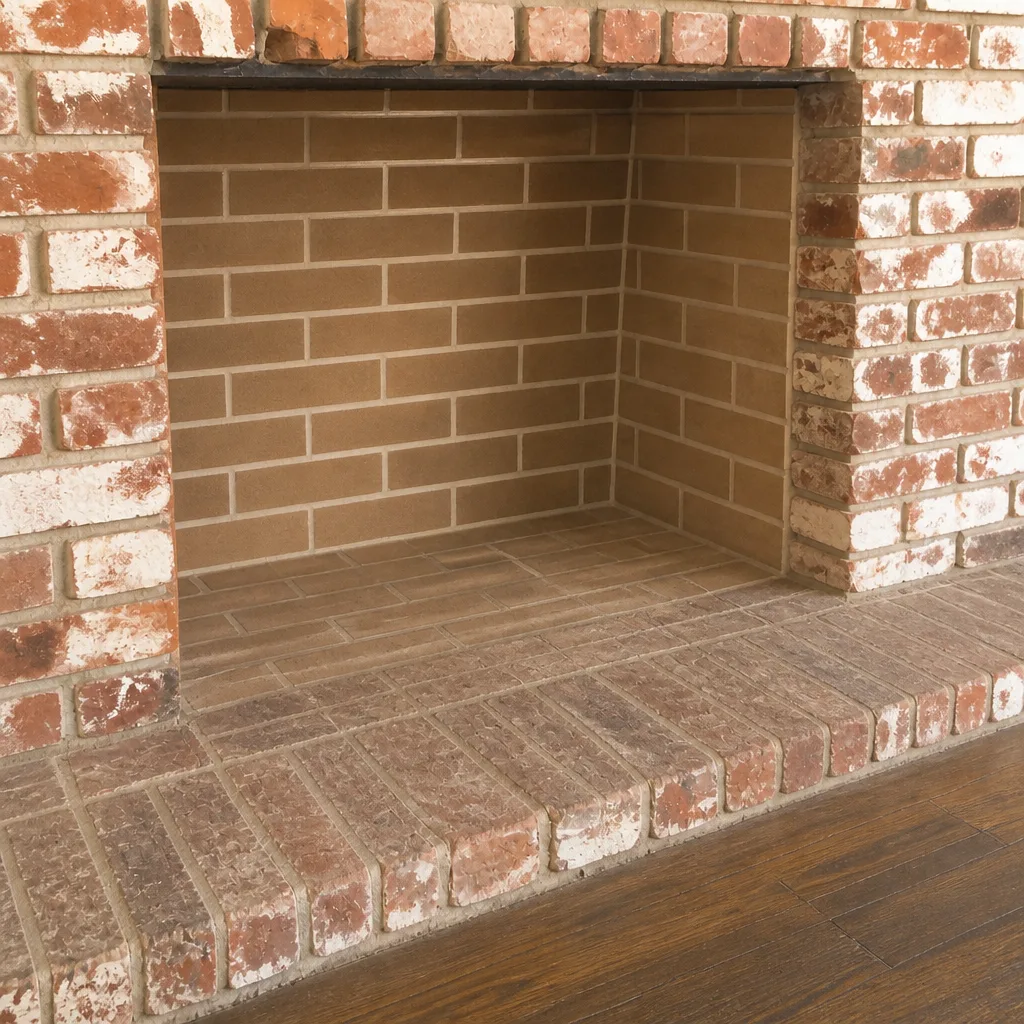
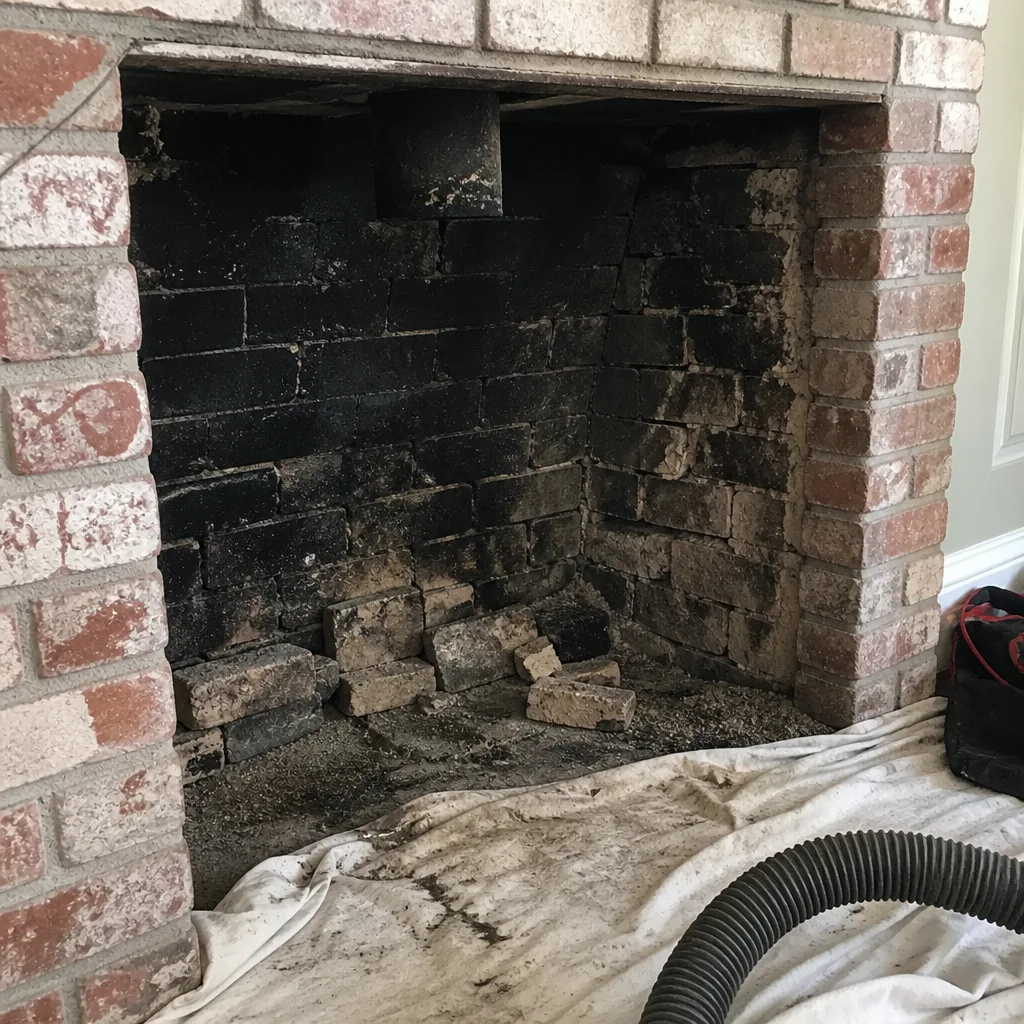
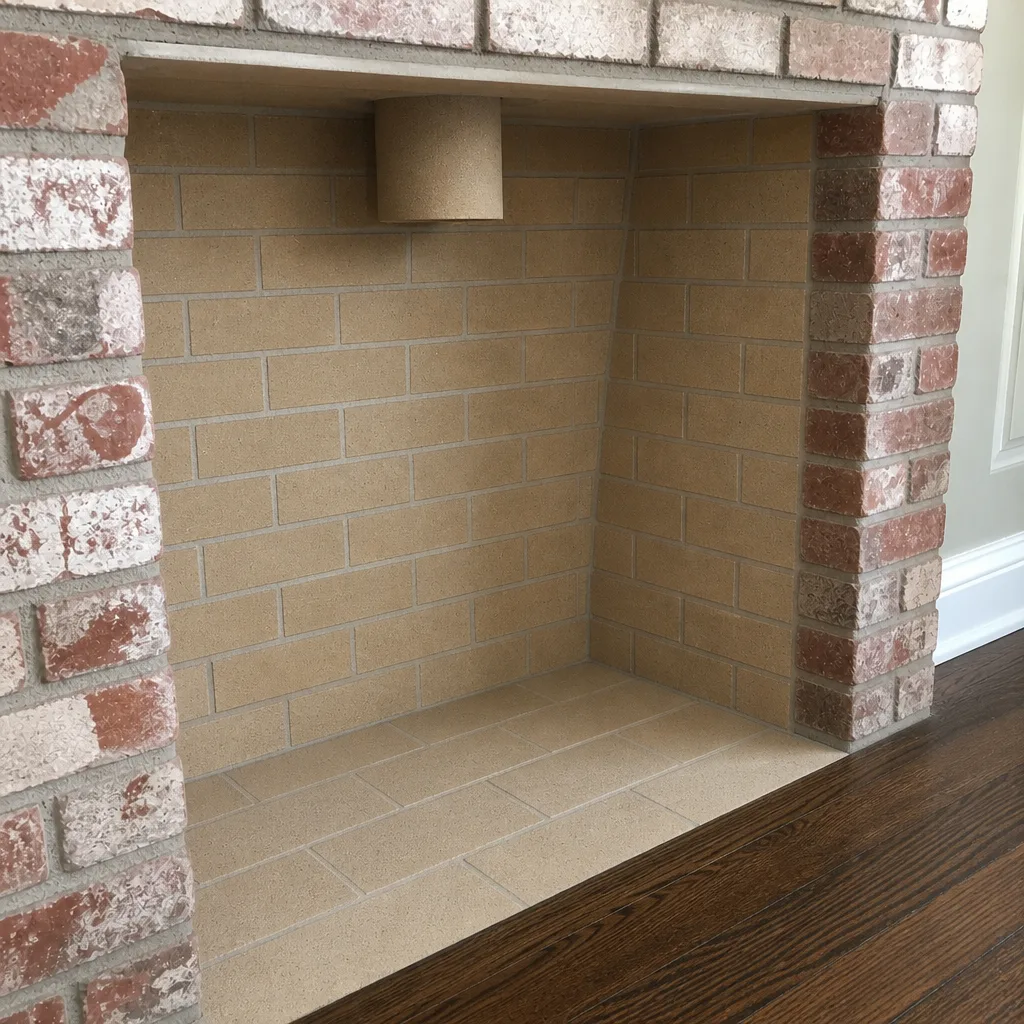
See the difference
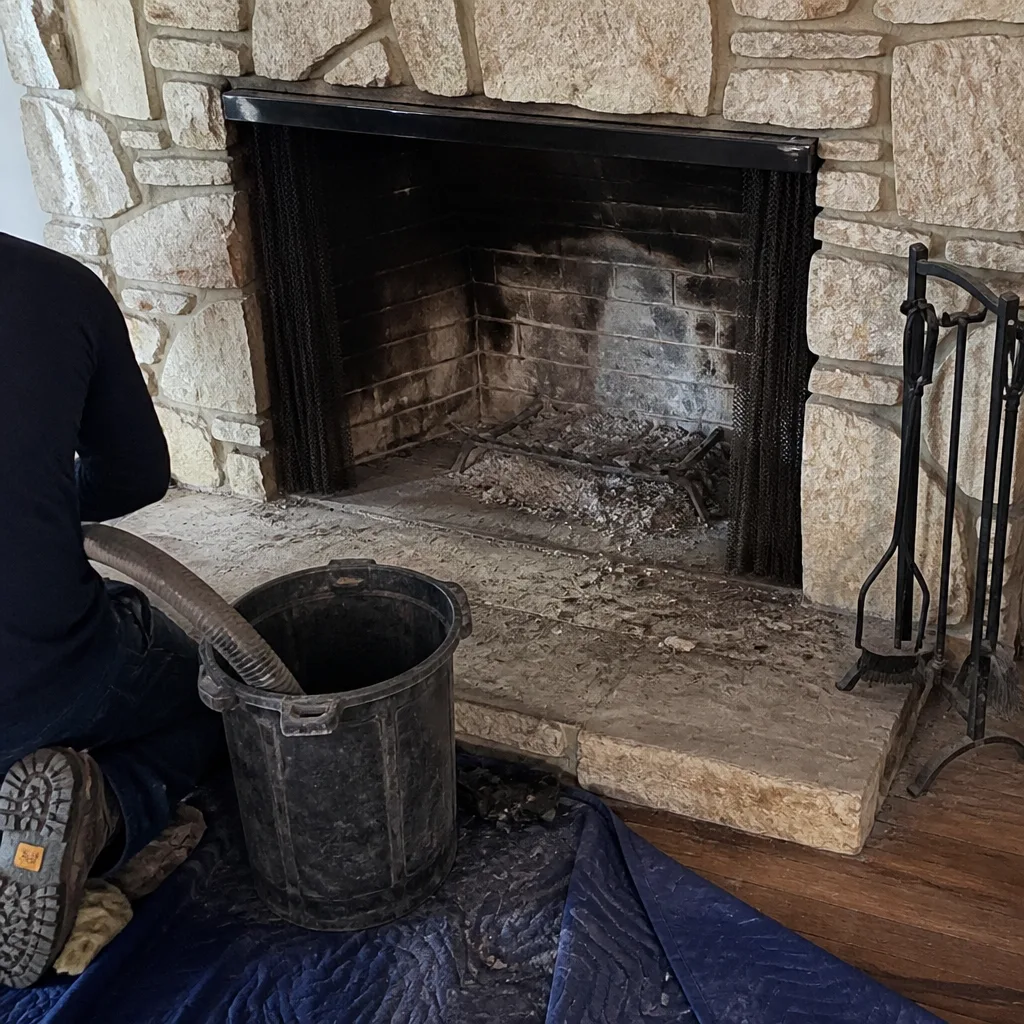 Before
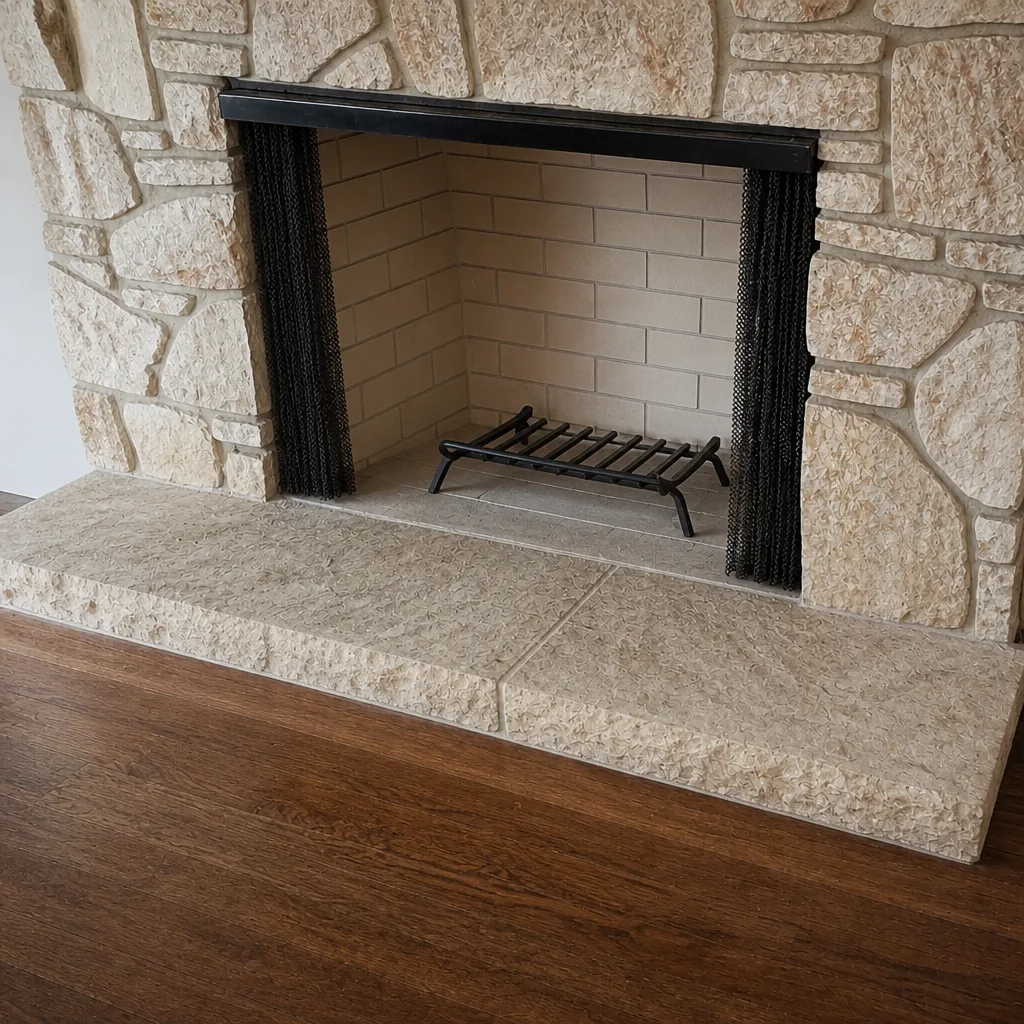 After
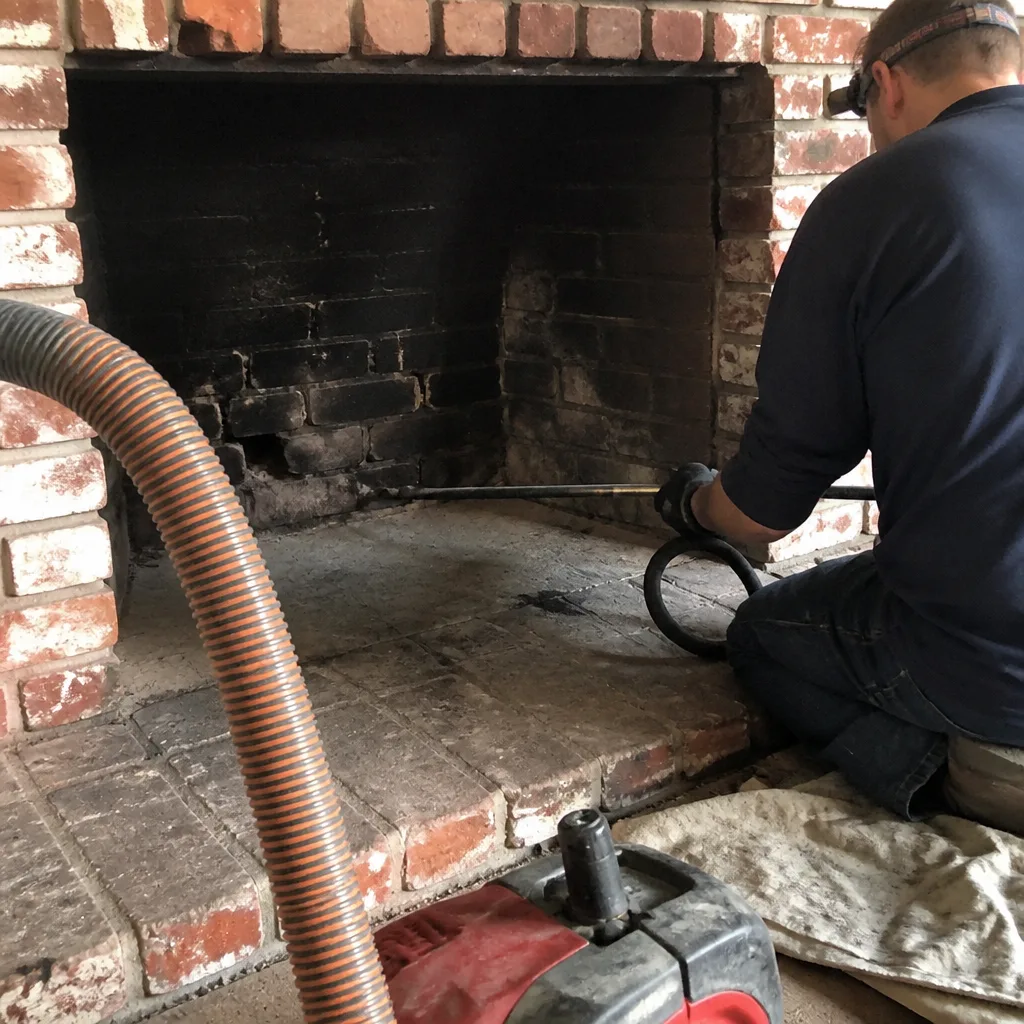 Before
 After
 Before
 After
When to Call a Professional
Some problems wait until the next scheduled sweep. Others shouldn’t. Call now if you’re seeing smoke that always spills into the room, any crack in the firebox brick or the flue visible with a flashlight, water staining or rust on the firebox, a chimney that smells strongly of creosote in summer, or a liner you’ve been told (even once) needs work. Also call if you’ve just bought the Vacaville home and don’t know when the chimney last saw a sweep, or if you’re selling and need an inspection for the transaction. Chimney Sweep Vacaville offers free estimates in Vacaville – call (844) 797-8347. We answer 24/7. Fast dispatch from 7am to 7pm, Sunday through Friday, and a written estimate sets the final price before any work begins.
Frequently Asked Questions
Match the symptom to the cause before calling anyone. Smoke on windy days points to a cap or pressure issue; smoke on every fire points to a flue obstruction or heavy creosote; campfire smell in summer points to negative pressure, not a dirty flue; water stains point to a crown or flashing leak. A camera inspection confirms the diagnosis before any repair is approved. Call (844) 797-8347 for a free estimate and we’ll confirm which service you need.
Wind-related smoke usually means a downdraft at the cap or a pressure problem. Wind over the roofline creates a pressure pocket at the chimney top, forcing air down the flue, and the fireplace gets pushed into the room. A blocked or damaged rain cap makes it worse because the airflow can’t find a clean exit. Crack a window near the fireplace to test the pressure theory – if the draw improves, it’s a house-pressure issue and not a flue obstruction. Call (844) 797-8347 for a free estimate to confirm.
It almost always means negative air pressure pulling air down the chimney, not a dirty flue. Creosote residue on the flue walls holds odor, and the downward airflow carries that odor into the living space. Cleaning alone won’t fix it. A top-sealing damper that closes off the flue entirely, combined with a proper sweep before the burning season, is the usual fix. Call (844) 797-8347 for a free estimate.
You can safely document the firebox, damper handle, smells, and the chimney exterior from the ground, and photos of those are genuinely useful. You cannot safely check anything above the damper or the cap from the roof. That requires a camera inspection done by a trained technician who can see liner integrity, creosote stage, and hidden obstructions without climbing risk. Call (844) 797-8347 for a free estimate and we’ll show you the footage.
Because the wrong fix doesn’t remove the actual problem, so you pay for both the guess and the real repair. Replacing a damper when the liner is collapsed leaves the liner work still ahead of you. Forcing a mid-season sweep when the real issue is negative pressure leaves the smell in place. A camera inspection before any repair is the cheapest way to avoid paying twice. Call (844) 797-8347 – estimates are free.
Run through the symptom-to-cause checklist once a season, ideally in early fall before the first fire. A full camera inspection should happen at least once a year if you burn regularly, or before any real-estate transaction on an older home. Catching a cap or pressure issue in fall costs much less than catching a liner problem in winter. Call (844) 797-8347 to book a chimney sweep or inspection.
The Bottom Line
The symptoms your fireplace shows you are information. Smoke on windy days, campfire smell in summer, a slow draw, water stains – each one points to a specific root cause, and diagnosing correctly before any repair is the single biggest cost saver. The three mistakes that cost Vacaville homeowners most are guessing at the damper, skipping the camera, and fixing cosmetically before finding the source. If you take one thing from this guide, let it be this: read the symptom, test the house, then book a camera inspection before any repair is approved. For a sweep, a chimney repair, or a formal inspection, call (844) 797-8347. We answer 24/7. Fast dispatch from 7am to 7pm, Sunday through Friday. The estimate is free and the written price is what you pay.
Written by the team at Chimney Sweep Vacaville.