
Last updated November 16, 2026
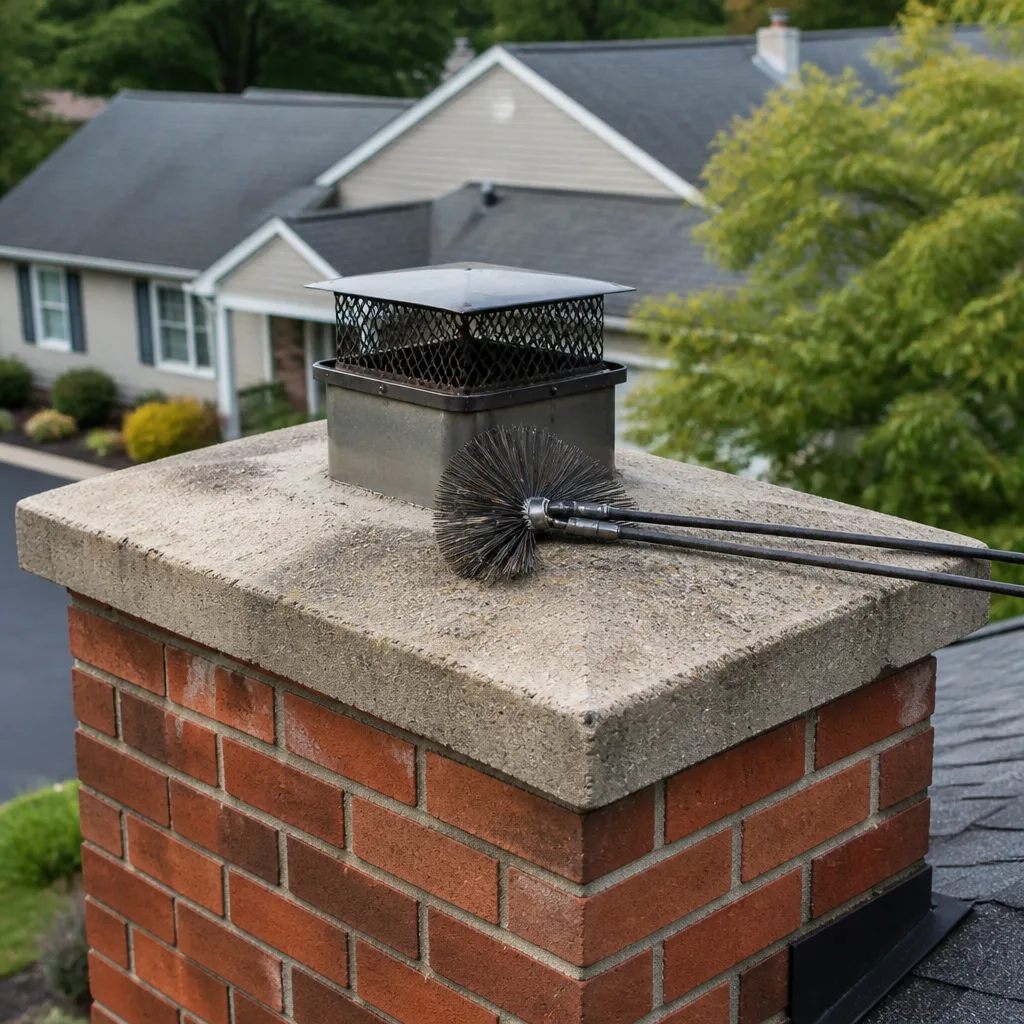 Sweep & inspection
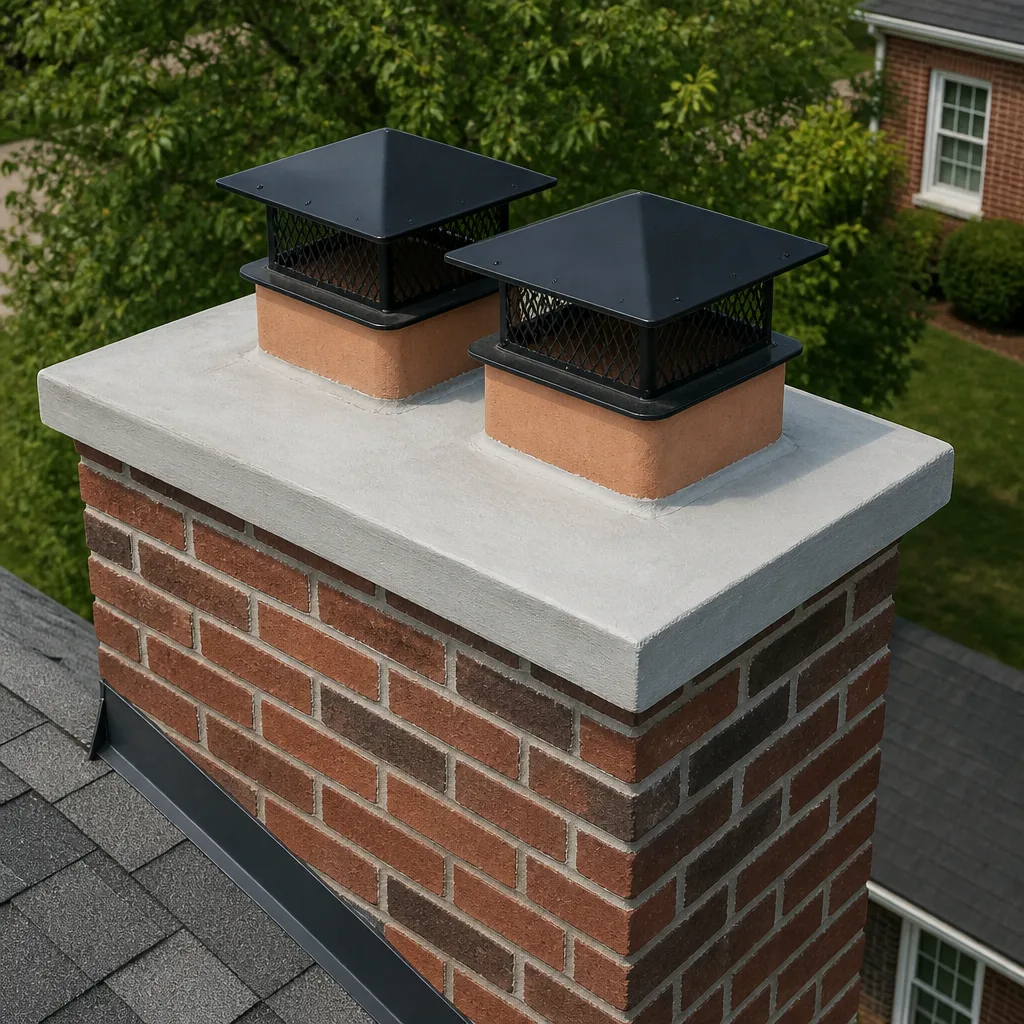 Caps & crowns
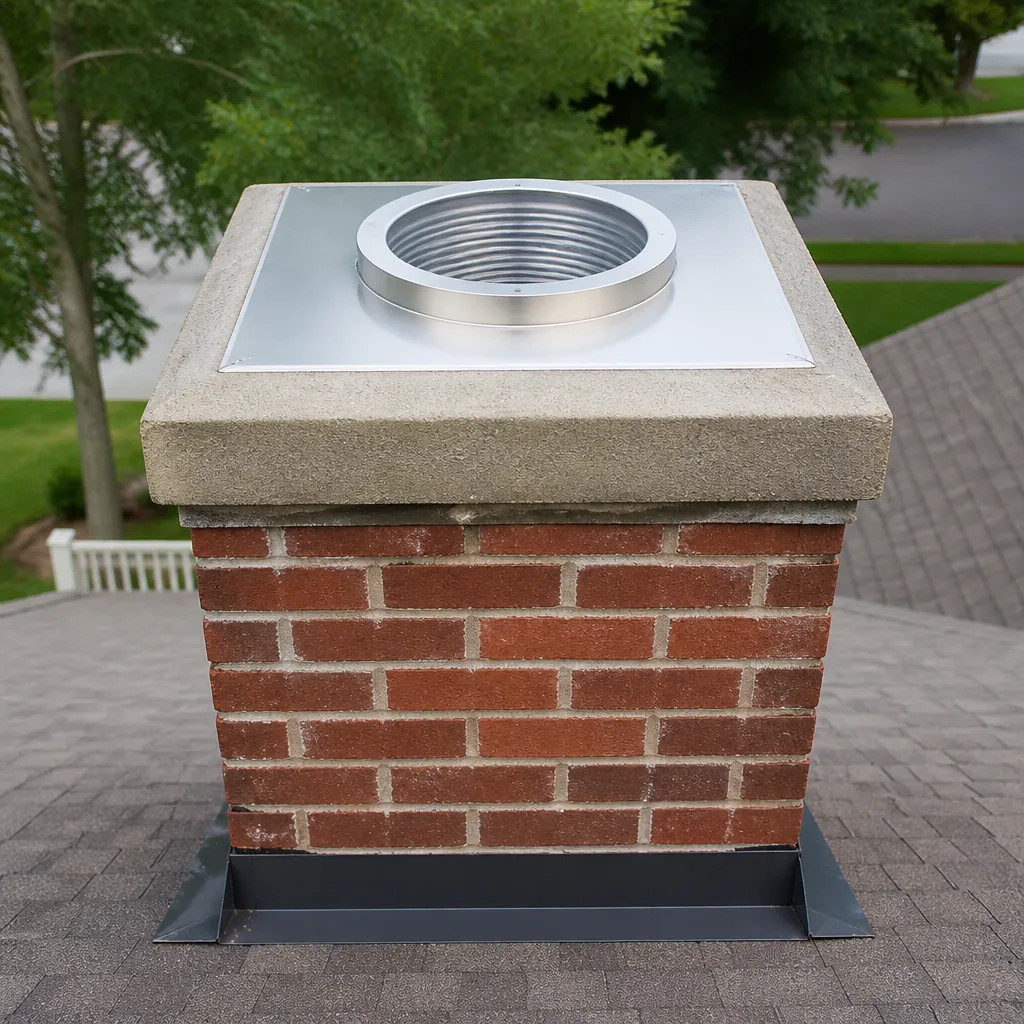 Flue relining
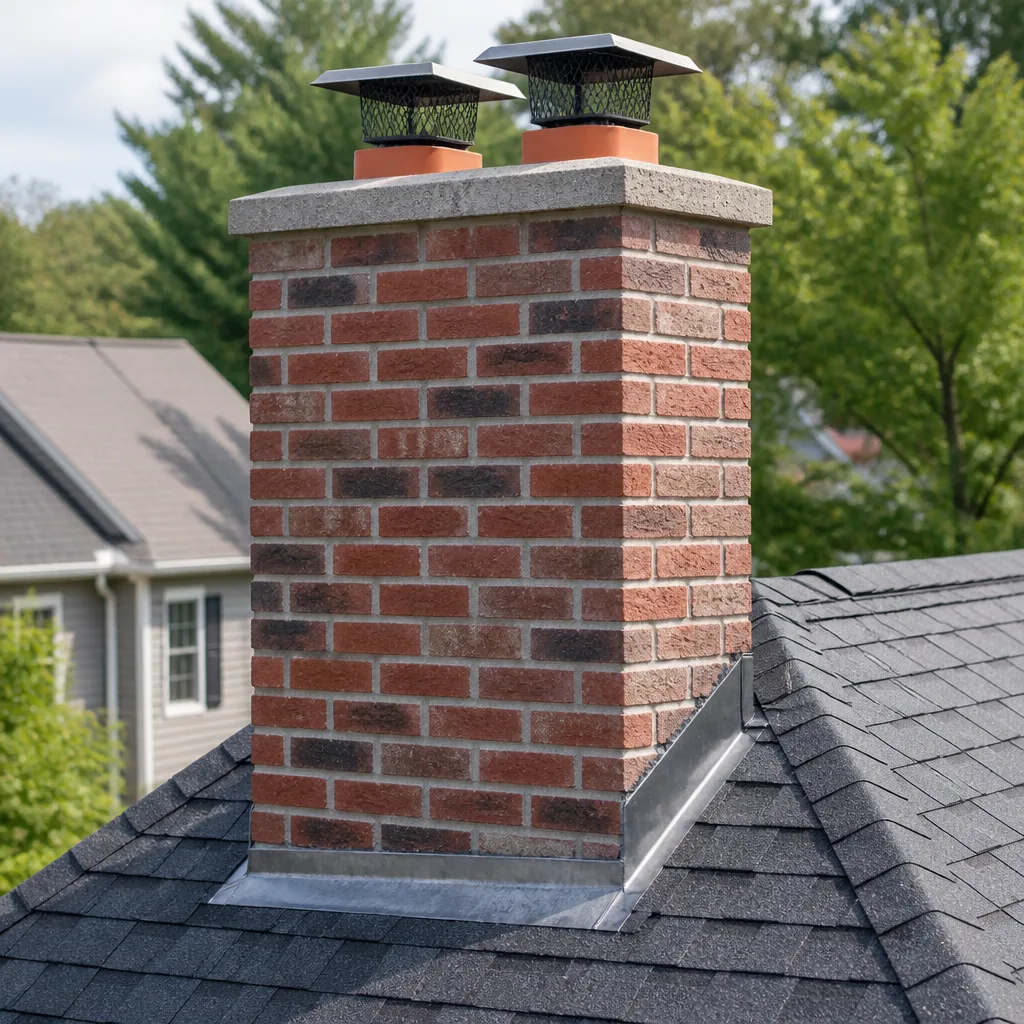 Masonry repair
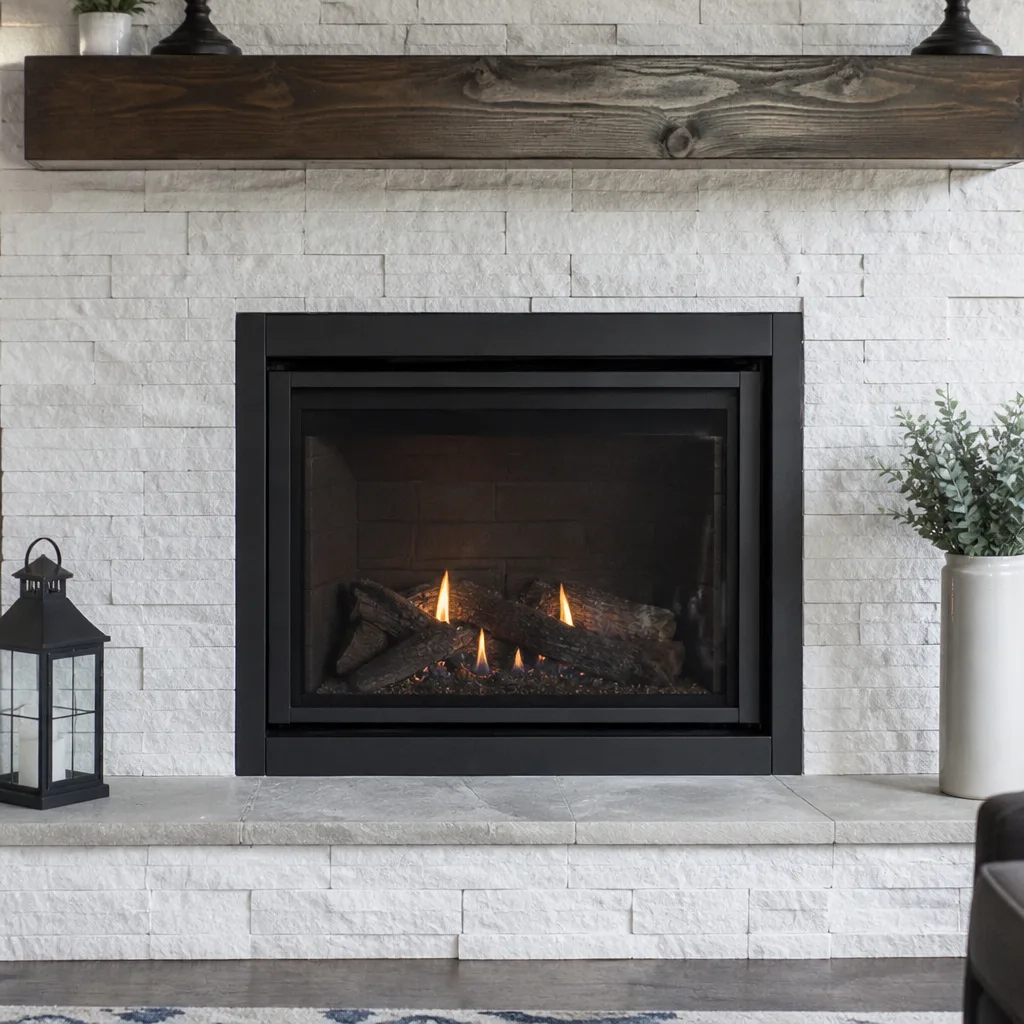 Gas fireplace service
Level 1 sweep and inspection to the NFPA 211 annual standard - flue, crown, cap, and flashing checked and photographed
Chimney sweep logs do not sweep chimneys. They loosen some creosote - which then falls where a brush and vacuum still have to collect it.
The Complete Guide to Chimney Cleaning in Vacaville
Most homeowners in Vacaville think of a chimney sweep as one simple service: someone shows up, runs a brush up the flue, and leaves. That picture is incomplete, and the gap between what people expect and what a proper cleaning actually requires is where money gets wasted and safety gets compromised. The real work depends on what you burn, how often you burn it, and what condition your flue is in before anyone touches it. A cleaning that’s right for a lightly used gas insert is the wrong approach for a heavily used masonry fireplace with a heavy creosote load. This guide walks through exactly what a thorough chimney cleaning involves in Vacaville – from rotary brush systems to vacuum containment – so you know what you’re paying for before a technician pulls into your driveway.
Quick Answer
A thorough chimney cleaning in Vacaville involves more than brushing the flue. It means matching the cleaning method to the creosote stage present in your chimney, containing all soot and debris with a professional vacuum system so nothing enters your home, and pairing the cleaning with an inspection that confirms your flue is sound. The method changes based on what you burn and how much you use the fireplace – which is why a specialist evaluation matters more than a fixed one-price sweep.
Styles & brands we work with
- Sweep & inspection
- Caps & crowns
- Flue relining
- Masonry repair
- Gas fireplace service
Table of Contents
- Understanding Chimney Inspection Levels: Level 1 vs. Level 2 vs. Level 3
- Why Creosote Stage Determines Cleaning Method
- How Solano County Burn Patterns Affect Buildup
- What a Professional Chimney Cleaning Actually Involves
- Why Vacuum Containment Matters More Than Most Homeowners Realize
- Chimney Inspections for Vacaville Real Estate Transactions
- Red Flags in a Cleaning Quote
- How Often Should You Schedule Cleaning?
Understanding Chimney Inspection Levels: Level 1 vs. Level 2 vs. Level 3
The three inspection levels defined by the Chimney Safety Institute of America (CSIA) are not interchangeable, and confusing them is one of the most common problems we see. A Level 1 inspection is the basic visual check performed during a routine cleaning. It covers readily accessible portions of the chimney exterior and interior, and it’s appropriate when the appliance and venting system haven’t changed and you’re maintaining an annual schedule. A Level 2 inspection goes further. It includes everything from a Level 1 plus a video camera scan of the interior flue, and it’s required whenever there’s a change in the system – a new appliance, a change in fuel type, a property sale, or after a chimney fire or earthquake. A Level 3 inspection is the most involved: it’s used when a Level 1 or Level 2 has identified a serious hidden problem that requires accessing areas behind or beyond the chimney structure.
For most Vacaville homeowners on an annual cleaning schedule, a Level 1 inspection is the right pairing. But if you’re buying or selling a home, changing from wood to gas, or you’ve had any event that could have damaged the flue, you need a Level 2. Ask the company which level they’re performing before they arrive, and make sure they’ll put it in writing.
How the levels map to Vacaville home types
- Older masonry chimneys often need a Level 2 because interior tile damage and offset flues can’t be seen with the naked eye.
- Homes with gas inserts or gas log sets typically need a Level 1 unless the appliance was recently installed, in which case a Level 2 is standard.
- Recently purchased homes warrant a Level 2 before the first heating season; sellers’ disclosures rarely cover flue interior condition.
- Any chimney with a known chimney fire requires a Level 2 at minimum to assess hidden damage.
Understanding the difference is the baseline for everything else in this guide. Confusing a visual check with a camera inspection is how a homeowner ends up with a clean flue and a hidden crack.
Why Creosote Stage Determines Cleaning Method
Creosote is the residue left behind when wood smoke condenses on the cooler surfaces of a flue. It’s the reason chimneys need cleaning at all, and it comes in three distinct stages that require three different cleaning methods. The stage, not the size of the brush, is what should determine how the job is done.
- First-degree creosote is light, flaky, and looks like soot or ash. It brushes away with standard chimney brushes and is the most common stage found in a well-maintained, regularly swept flue.
- Second-degree creosote is hard, brittle, and appears as shiny black flakes or a crust. Standard brushes often can’t remove it fully. It usually calls for rotary cleaning tools or chemical treatments to break it down before brushing.
- Third-degree creosote is the most serious: a thick, tar-like glaze that has baked onto the flue walls. It’s highly flammable and often requires chemical removal or, in severe cases, liner replacement. Third-degree creosote is the stage most closely associated with chimney fire risk, and it’s the stage most often missed by a quick sweep.
A generalist who only carries a standard brush will remove first-degree creosote and leave two and three behind. That’s the difference between a cleaning and a real cleaning. A chimney specialist brings rotary equipment and understands when chemical treatment is needed.
If you’re not sure what stage your flue is at, the only reliable answer comes from an inspection. We approach every cleaning by first assessing creosote stage, then matching the method to what’s actually there. That’s the standard we work to, and it’s a useful question to ask any company you’re considering: “How do you determine which cleaning method to use?”
How Solano County Burn Patterns Affect Buildup
Not all firewood burns the same, and the wood you choose shapes how quickly your flue accumulates creosote. In Solano County, oak and almond wood are the two most common fuels, and they behave differently.
Oak is dense, burns hot, and produces a steady, long-lasting fire. That’s good for heat output, but oak that hasn’t been properly seasoned produces more creosote because the excess moisture cools the smoke as it rises, causing it to condense on flue walls. Almond wood burns hot and clean when fully dry, but almond wood is often harvested from orchard removals and is sometimes burned before it’s had adequate drying time. In both cases, the moisture content of the wood, rather than its species, drives creosote formation.
- Wet or unseasoned wood drives creosote buildup faster than any other single factor. If the wood hisses or sizzles when it burns, it’s too wet.
- Dampers that are run too closed starve the fire of oxygen, cool the smoke, and accelerate condensation.
- Short, hot fires followed by long cool-down periods create more condensation than steady, hot burns.
- Burning paper or trash adds ash and particulate loading and produces a faster buildup of flaky residue.
The practical takeaway is straightforward. Homeowners in Vacaville who burn regularly and use well-seasoned wood, keep the damper open enough for a clean burn, and sweep annually will see far less buildup than neighbors who burn wet wood occasionally and let the flue sit. The rate of buildup is a function of what goes into your fireplace, not the calendar.
If you’re not sure how your burn habits have affected the flue, a chimney sweep that includes a creosote-stage assessment gives you a clear picture. That’s a more useful answer than a fixed price over the phone.
What a Professional Chimney Cleaning Actually Involves
A proper cleaning is not a five-minute brush-and-go. Here’s what a thorough chimney cleaning for a Vacaville home typically involves, step by step.
- Setup and containment. Drop cloths go down around the hearth, and a professional vacuum with a HEPA filter is set up to maintain negative pressure in the firebox so soot and ash are drawn out of the room rather than into it.
- Visual assessment. The technician inspects the firebox, damper, smoke chamber, and flue for creosote stage, obstructions, and visible damage before cleaning begins. This step also reveals whether a Level 2 inspection is needed.
- Creosote-stage matching. Based on the assessment, the technician chooses the right cleaning tools – standard poly brushes for first-degree, rotary equipment for second-degree, and chemical treatment or liner evaluation for third-degree.
- Chamber and smoke shelf cleaning. Short strokes at the top break the bond of creosote on the flue walls. The firebox, smoke shelf, and smoke chamber are cleaned separately because that’s where most of the hidden loading sits.
- Vacuum and final inspection. The vacuum captures everything released during the cleaning. The technician then performs a final visual inspection and confirms the flue is clear.
- Report and recommendations. Any needed repairs – liner damage, crown cracks, damper issues – are documented. In our case, camera evidence is used so you can see what the report shows.
Notice how much of that process is about assessment and containment, not just scrubbing. That’s what separates a specialist cleaning from a generalist one. If you have a masonry chimney with visible wear, a chimney repair evaluation might be the right pairing with the cleaning. The two services overlap often.
Why Vacuum Containment Matters More Than Most Homeowners Realize
Here’s a fact that surprises most homeowners: a cleaning performed without proper vacuum containment can do more harm than good. When a standard brush is run through a flue without negative-pressure vacuum equipment in place, soot and ash are released into the living space. That soot settles on furniture, gets into HVAC returns, and leaves a fine film on surfaces that can take weeks to fully resolve. Some companies sweep with a shop vac or nothing at all.
Professional vacuum containment works differently. A HEPA-rated vacuum is connected to the firebox and runs continuously during the cleaning, creating negative pressure that draws air (and ash) toward the vacuum rather than into the room. That single piece of equipment is what allows a cleaning to happen without disturbing the rest of your home. It’s also why we recommend asking any company you hire whether they use a professional-grade vacuum system. If the answer is vague, that’s worth noting.
Vacuum containment serves a second purpose, too. When the air is clean, the technician can see clearly while inspecting the flue, which makes it much easier to spot cracks, gaps in the tile liner, and damaged dampers. A clean visual environment is part of the inspection quality, not just a courtesy to the homeowner.
Chimney Inspections for Vacaville Real Estate Transactions
If you’re buying or selling a home in Vacaville, the chimney assessment belongs on your contingency checklist along with the general home inspection. A standard home inspection covers the visible exterior and accessible portions of the chimney, but it doesn’t usually include a camera scan of the flue interior – and interior flue condition is where the expensive surprises hide.
For buyers, a Level 2 inspection before closing tells you whether the liner is intact, whether the chimney has been relined, and whether any repair is likely needed. That’s information that can inform your offer or your repair requests. For sellers, a pre-listing inspection gives you documented condition up front and can prevent a last-minute contingency issue.
Insurance documentation is another common reason to schedule a formal inspection. When an insurance company wants documentation of chimney condition, a written inspection report with camera evidence is the format that gets accepted. We provide that documentation for real estate and insurance purposes as part of our inspection service.
If your property paperwork requires a formal inspection, Vacaville homeowners can book one independently of a cleaning. It’s often the right first step when either a transaction or an insurance requirement is involved.
Red Flags in a Cleaning Quote
A cleaning quote should tell you what’s being cleaned, how it will be cleaned, and what’s included. When a quote is vague or unusually low, it usually means a generalist with a brush and a shop vac. Here are the signs to watch for.
- No mention of inspection level. A quote that doesn’t state whether it includes a Level 1 or Level 2 inspection isn’t really a chimney cleaning quote; it’s a brushing.
- No mention of vacuum containment. If the company can’t tell you what kind of vacuum system they use, soot is likely to end up in your home.
- A flat price with no questions asked. Creosote stage determines method, and method determines time. A company that quotes a single flat rate without asking about your burning habits is guessing.
- No assessment before cleaning. A specialist inspects before cleaning, not after.
- Pressure to reline or rebuild without camera evidence. Any recommendation for significant repair should come with a camera video you can see for yourself. If you can’t verify the problem, don’t authorize the work.
- No brand knowledge. A chimney specialist uses professional-grade components – names like DuraFlex, HeatShield, Gelco, Olympia Chimney, Famco, and Copperfield. If the company can’t tell you what liner or repair system they’d use, they’re likely sourcing from a hardware store.
- No written report. A cleaning without a documented inspection report gives you no record of flue condition for future reference.
None of these red flags means the company is dishonest. It means they’re operating outside the chimney specialty, which makes them the wrong choice for this work. A chimney-only specialist handles sweeping, repair, and inspection every day.
How Often Should You Schedule Cleaning?
The standard recommendation for homes that burn wood regularly is an annual chimney cleaning paired with an inspection. That annual timing is a starting point, not an absolute – your actual schedule should track how much you burn.
- Regular wood burners (multiple fires per week during the heating season): annual cleaning, and consider a mid-season check if you burn heavily.
- Occasional wood burners (a few fires per month): annual inspection, with cleaning on an as-needed basis determined by the inspection.
- Gas insert or gas log users: annual inspection to confirm venting and to check for debris or obstructions; cleaning frequency is typically lower than with wood.
- Homes with older masonry chimneys: annual inspection is essential even if the fireplace is used rarely, because liner and crown deterioration are gradual and often invisible from below.
Two conditions change the schedule regardless of usage. If you’ve had a chimney fire, schedule a Level 2 inspection immediately, before the next burn. And if you notice odor, poor draft, or visible damage, don’t wait for the annual date – those are signals to call sooner.
Common Mistakes to Avoid
- Assuming a Level 1 and Level 2 inspection are the same thing. They’re not. A Level 1 doesn’t scan the flue interior with a camera, which means liner cracks can go undetected.
- Burning unseasoned wood because it’s what’s available. In Solano County, orchard wood and freshly cut oak are common, but wet wood accelerates creosote buildup faster than anything else. Season wood fully before burning.
- Hiring a generalist handyman to save a little money. The savings are usually offset by a cleaning that leaves second- and third-degree creosote behind, and by an inspection that misses flue damage.
- Authorizing a reline or rebuild without seeing camera evidence. Any significant repair recommendation should come with video footage you can review. Ask for it before approving the work.
- Skipping the inspection because the cleaning “looked fine.” Cleaning removes creosote; it doesn’t assess liner condition, damper function, or crown integrity. Those need a separate inspection.
- Burning paper, trash, or cardboard to start fires. It adds particulate loading to the flue and produces more flaky creosote than clean-burning firewood.
- Waiting for a visible problem before scheduling service. By the time a chimney problem is visible from below, the underlying issue has usually been developing for a while.
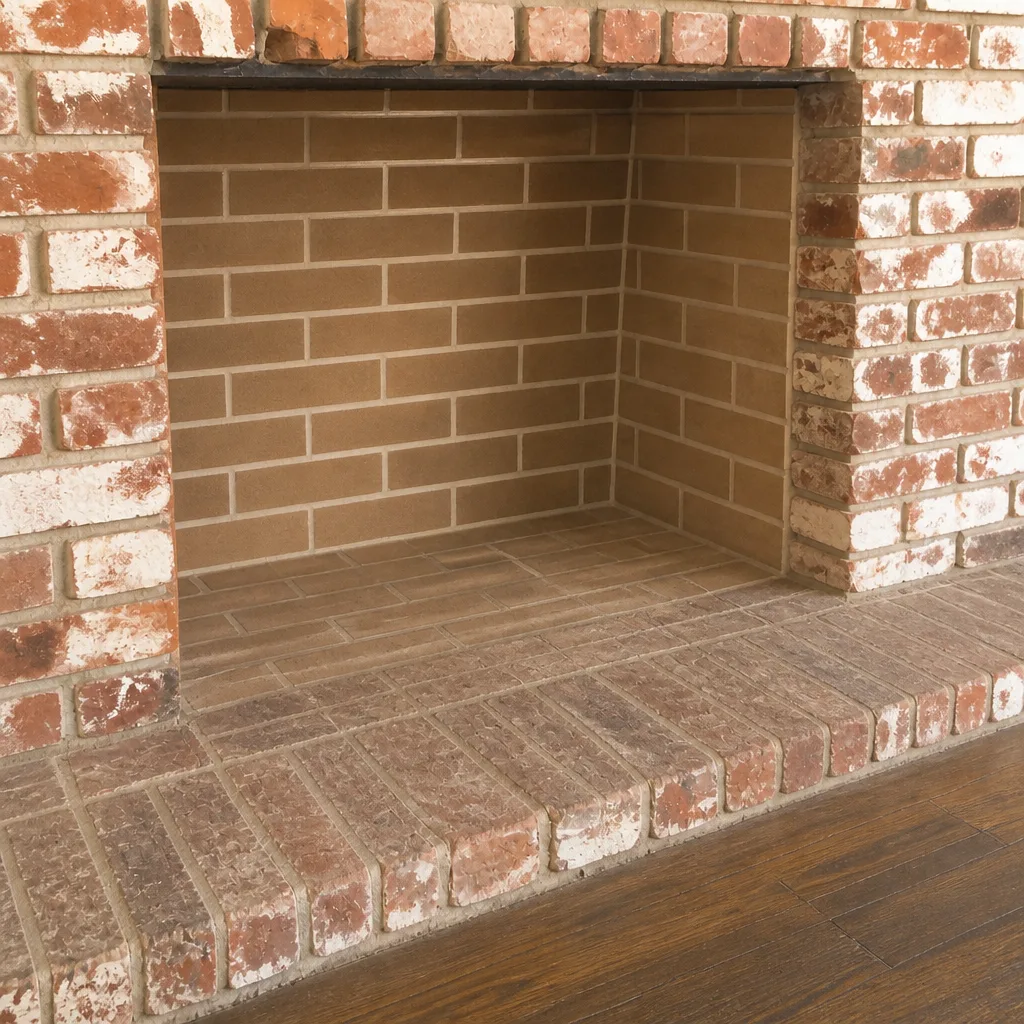
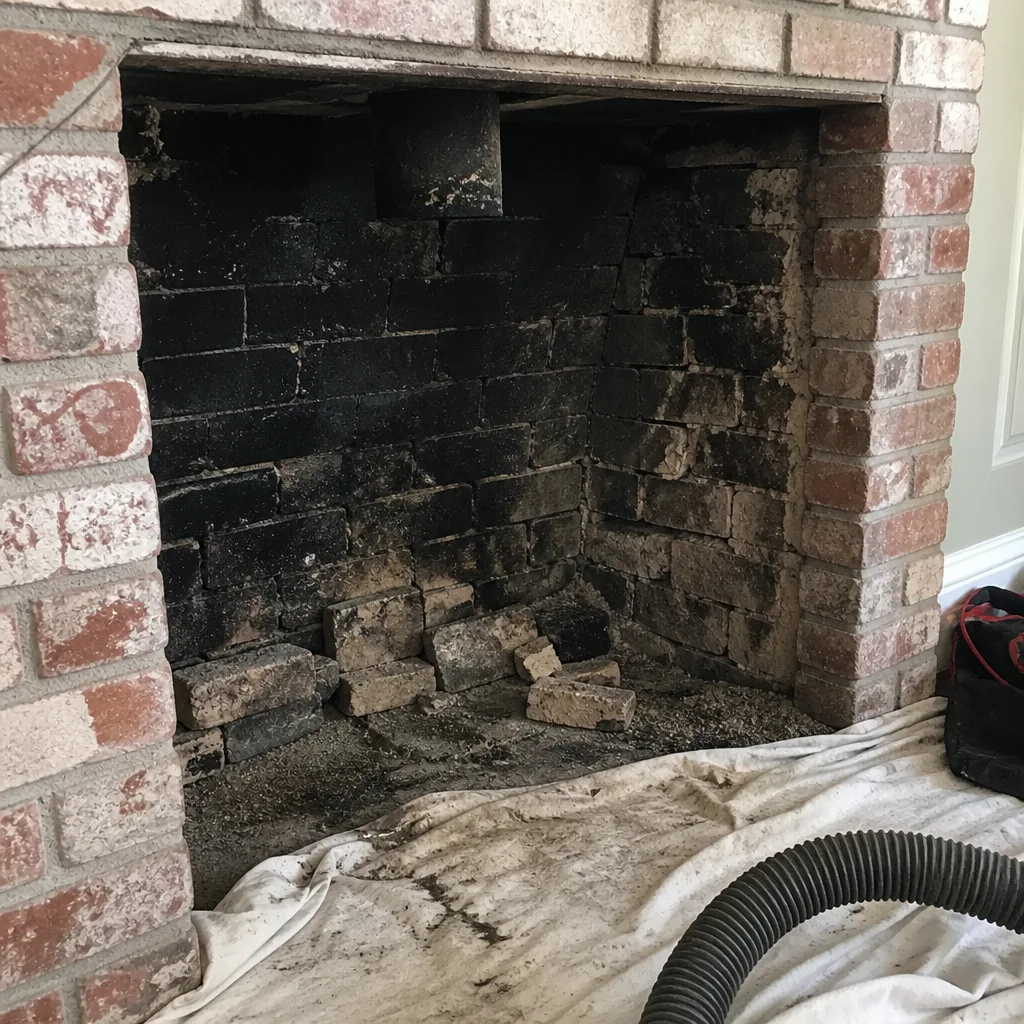
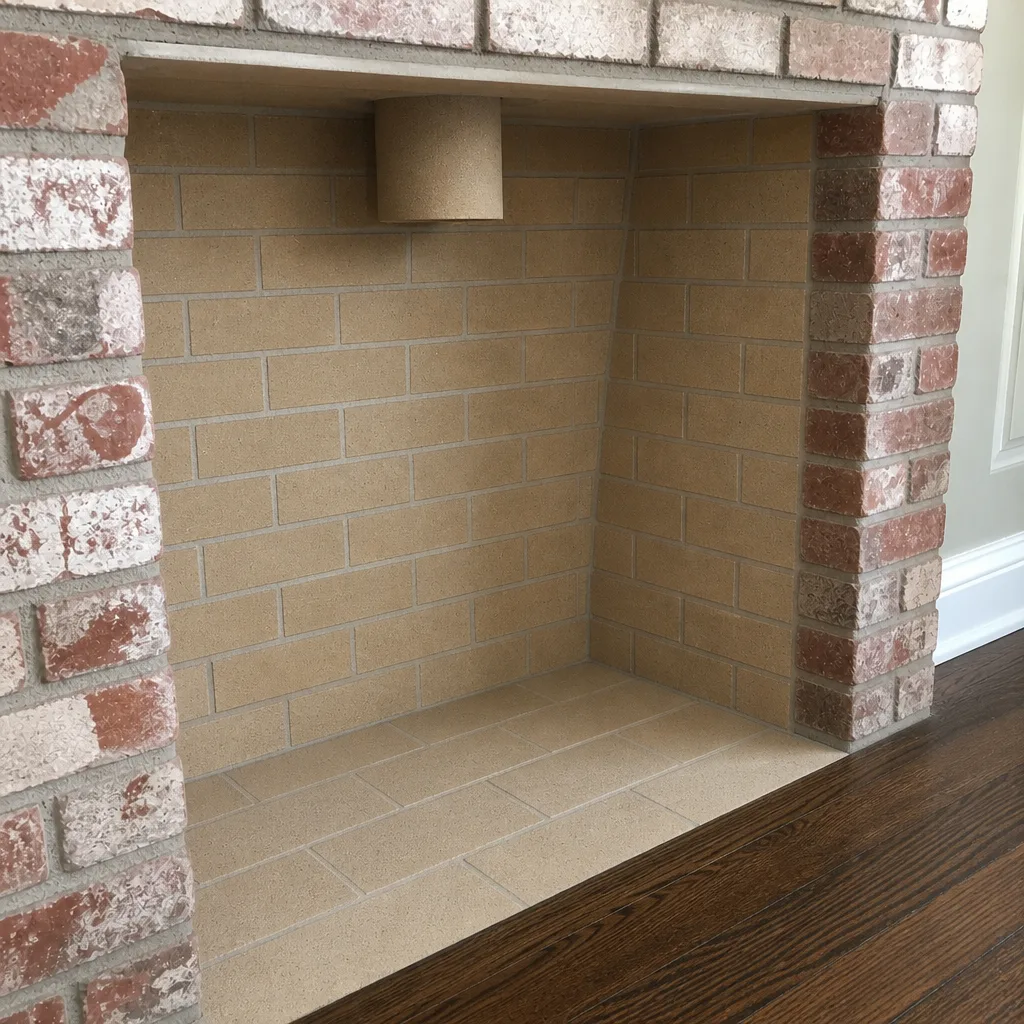
See the difference
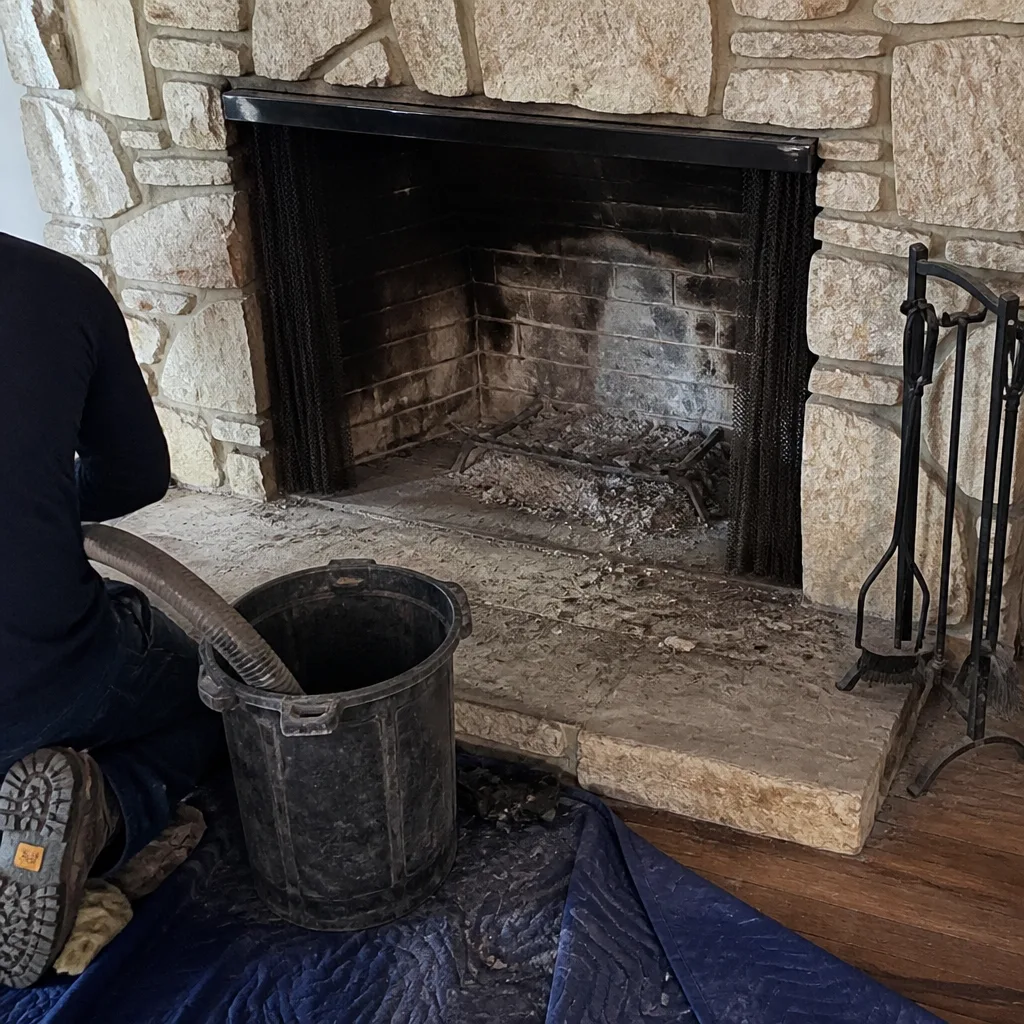 Before
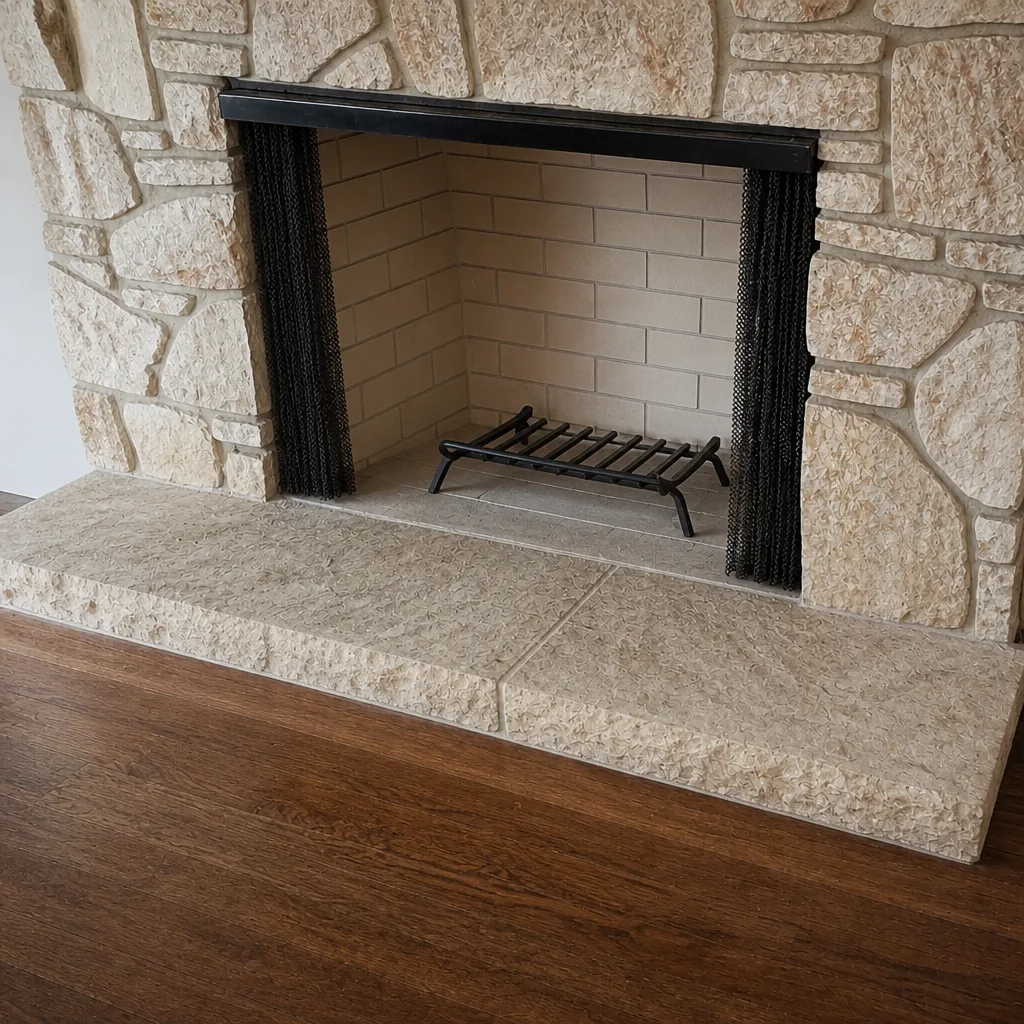 After
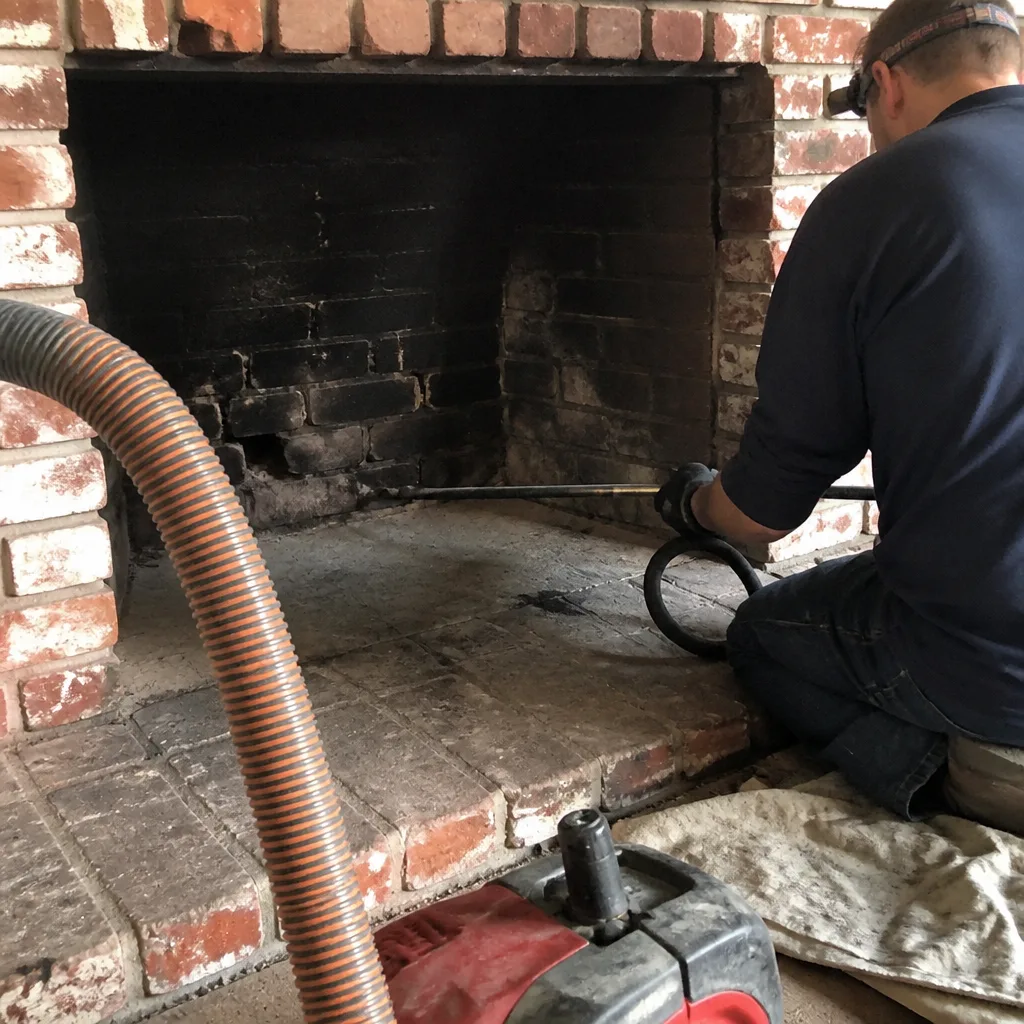 Before
 After
 Before
 After
When to Call a Professional
Some chimney situations can wait for the annual schedule. Others can’t. Call a professional if you notice a strong odor from the fireplace when it’s not in use, if you see visible cracks in the firebox or the masonry above the roofline, if the damper doesn’t open and close smoothly, or if smoke backs into the room when you burn. Any chimney fire – even a small one you think you caught early – warrants a Level 2 inspection before the next burn. If you’re buying or selling a home, or your insurer has requested documentation, a formal inspection is the right call. Chimney Sweep Vacaville offers free estimates in Vacaville – call (844) 797-8347. We answer 24/7. Fast dispatch from 7am to 7pm, Sunday through Friday. Every estimate is free and the price is set per job by the written estimate.
Frequently Asked Questions
Chimney cleaning costs in Vacaville depend on the creosote stage present, the type of chimney, and whether an inspection is included. A standard cleaning for a lightly used fireplace is typically less than a cleaning that requires rotary equipment or chemical treatment for heavier creosote. The written estimate sets the final price, and every estimate is free. Call (844) 797-8347 for an exact quote – estimates are free. We answer 24/7. Fast dispatch from 7am to 7pm, Sunday through Friday.
A Level 1 inspection is a visual check of accessible chimney components performed during a routine cleaning, while a Level 2 adds a video camera scan of the interior flue. A Level 2 is required when the appliance or fuel type changes, during a property sale, and after any chimney fire or seismic event. If you’re buying a home in Vacaville or your insurer has asked for documentation, you need a Level 2.
Once a year for homes that burn wood regularly, with a Level 1 inspection included each time. If you burn heavily during the heating season, a mid-season check is worth considering. Homes with gas inserts usually need an annual inspection with less frequent cleaning. Any chimney fire or noticeable change in draft should trigger a Level 2 inspection regardless of the calendar.
Creosote accumulates and can reach the second or third stage, both of which are harder to remove and more flammable. A restricted flue also reduces draft, which means smoke and carbon monoxide have a harder path out of the home. The risk of a chimney fire increases with the creosote load. Call (844) 797-8347 for an exact quote – estimates are free.
Only if an inspection shows the existing liner is damaged, cracked, or inadequate for the appliance. We never recommend a liner replacement without camera evidence you can see for yourself. If your liner is intact and the flue is drafting correctly, a cleaning is all you need. If work can safely wait, we’ll tell you that too.
Cleaning removes creosote; repair addresses structural issues like cracked liners, damaged crowns, and failing dampers. Those are found during the inspection that accompanies a proper cleaning, not during the brush pass itself. If you’ve noticed masonry cracks, water intrusion, or smoke backing up, book a chimney repair evaluation. Call (844) 797-8347 for an exact quote – estimates are free.
The Bottom Line
The main takeaway from this guide is that chimney cleaning in Vacaville is a service whose quality depends on matching the method to the conditions. Creosote stage drives the choice of tools, Solano County wood-burning habits drive buildup rate, and the inspection level paired with the cleaning determines whether hidden flue damage gets caught. A chimney-only specialist brings rotary equipment, vacuum containment, and a documented inspection; a generalist with a brush does not. If you want to know what’s actually inside your flue before the next fire, that’s a conversation worth having with a company that only does this work. If you’d like to schedule a cleaning, inspection, or repair evaluation, or you’re just trying to understand what your chimney needs, our team at Chimney Sweep Vacaville is here to help. Call (844) 797-8347. We answer 24/7. Fast dispatch from 7am to 7pm, Sunday through Friday.
Written by the team at Chimney Sweep Vacaville.