
Last updated November 16, 2026
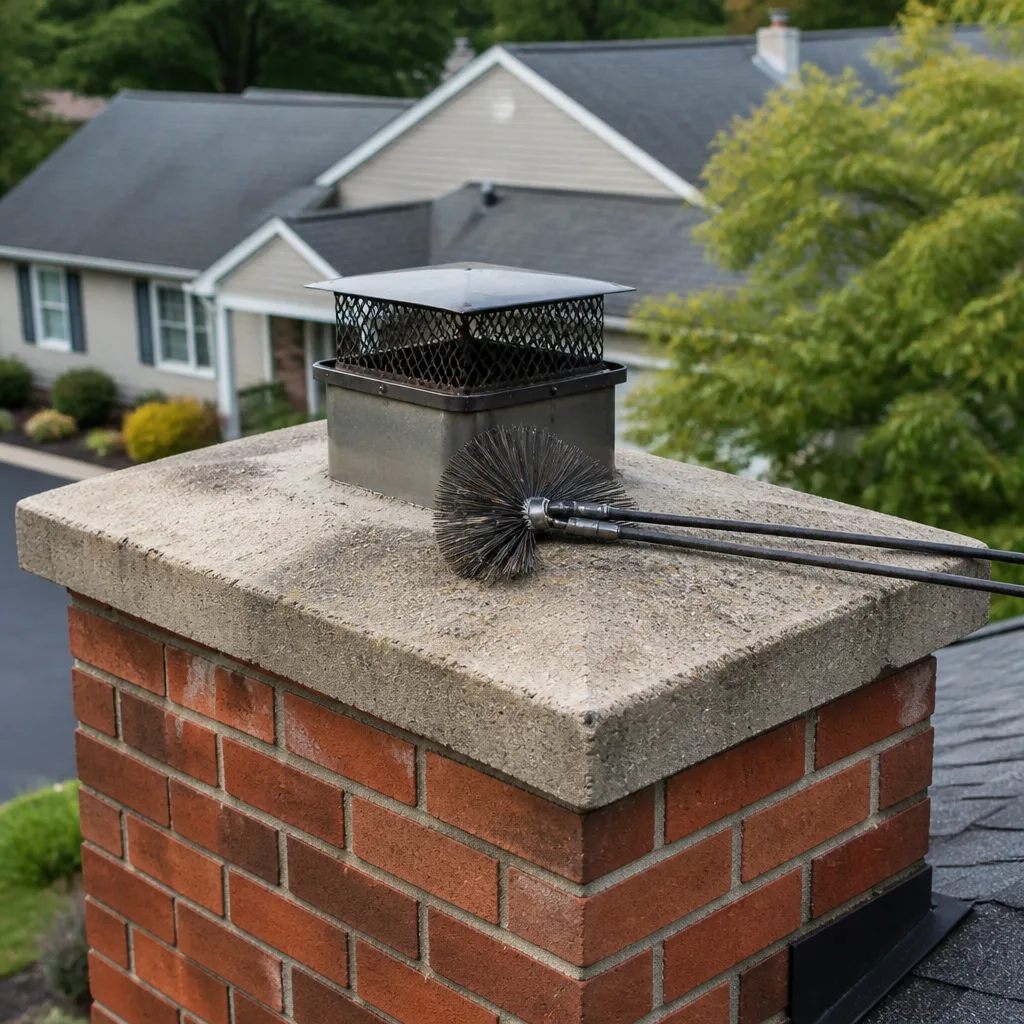 Sweep & inspection
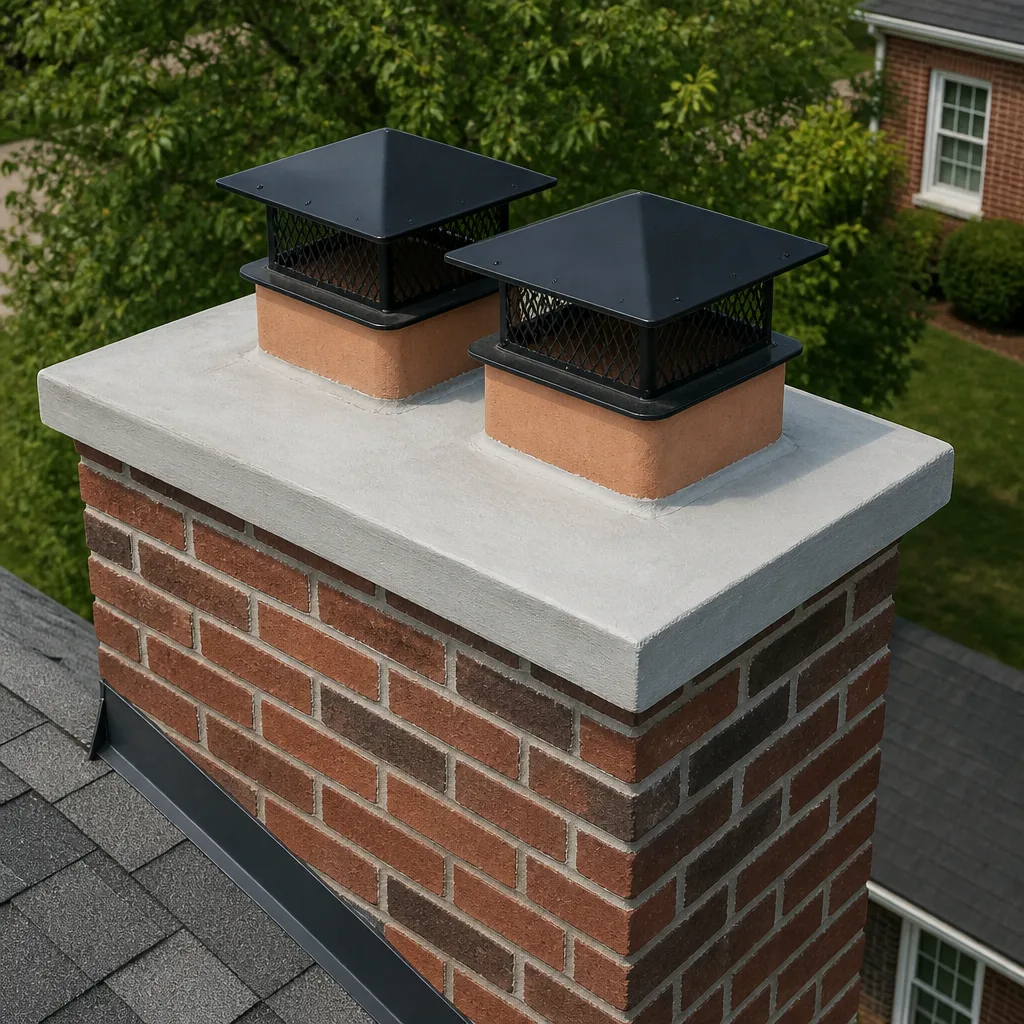 Caps & crowns
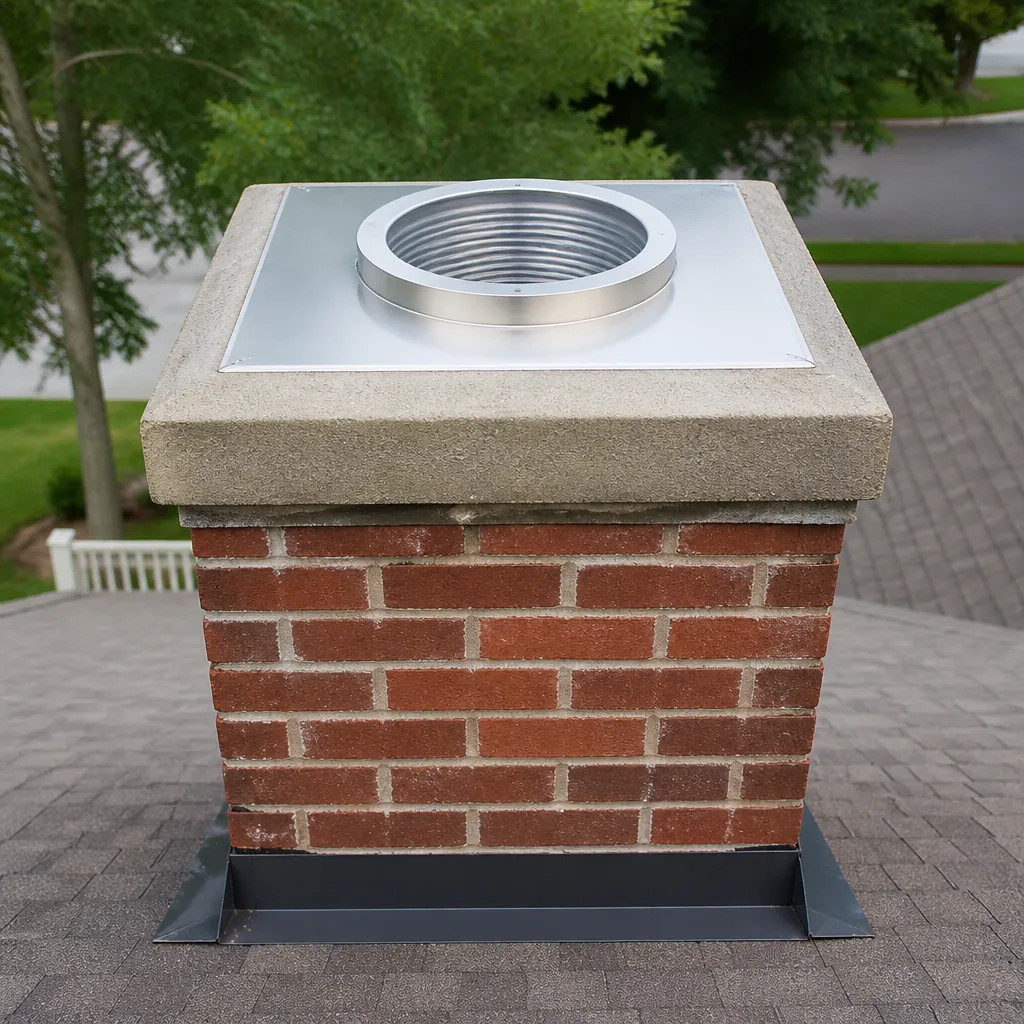 Flue relining
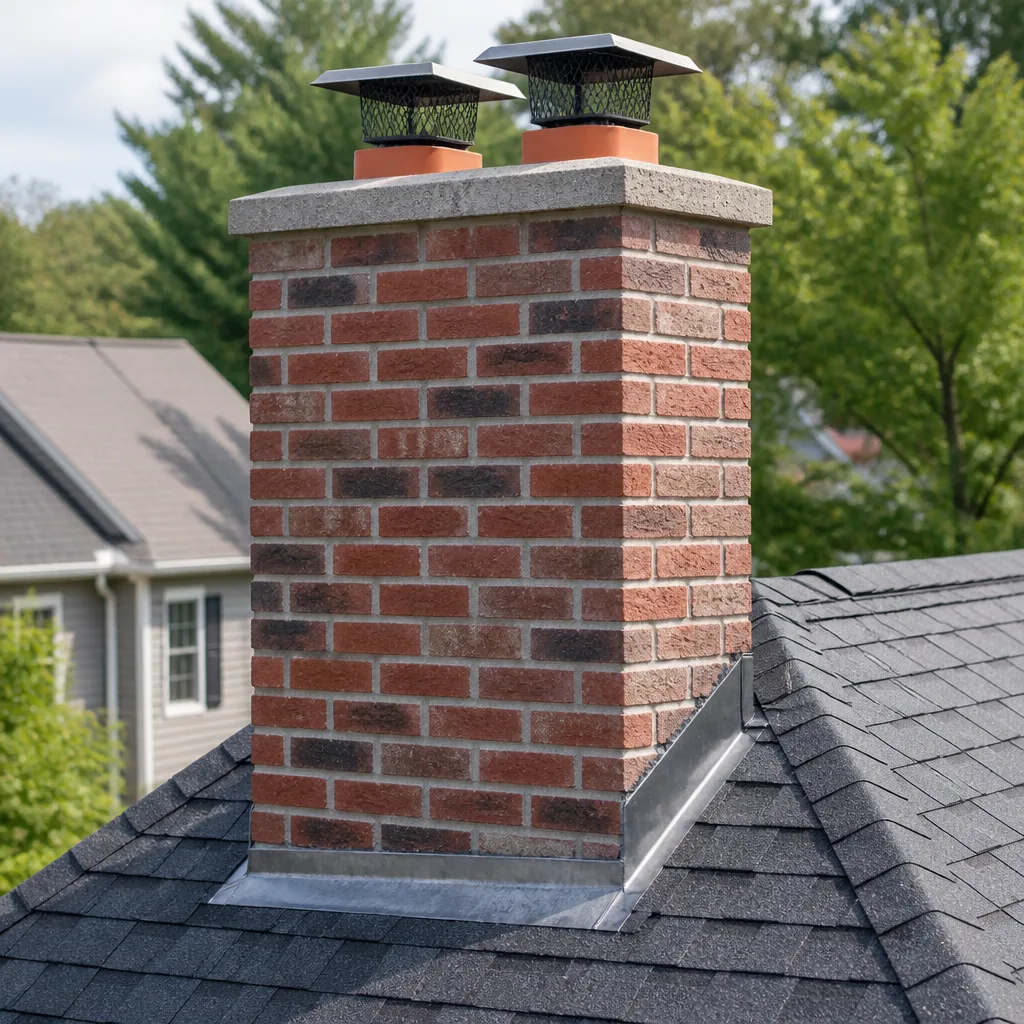 Masonry repair
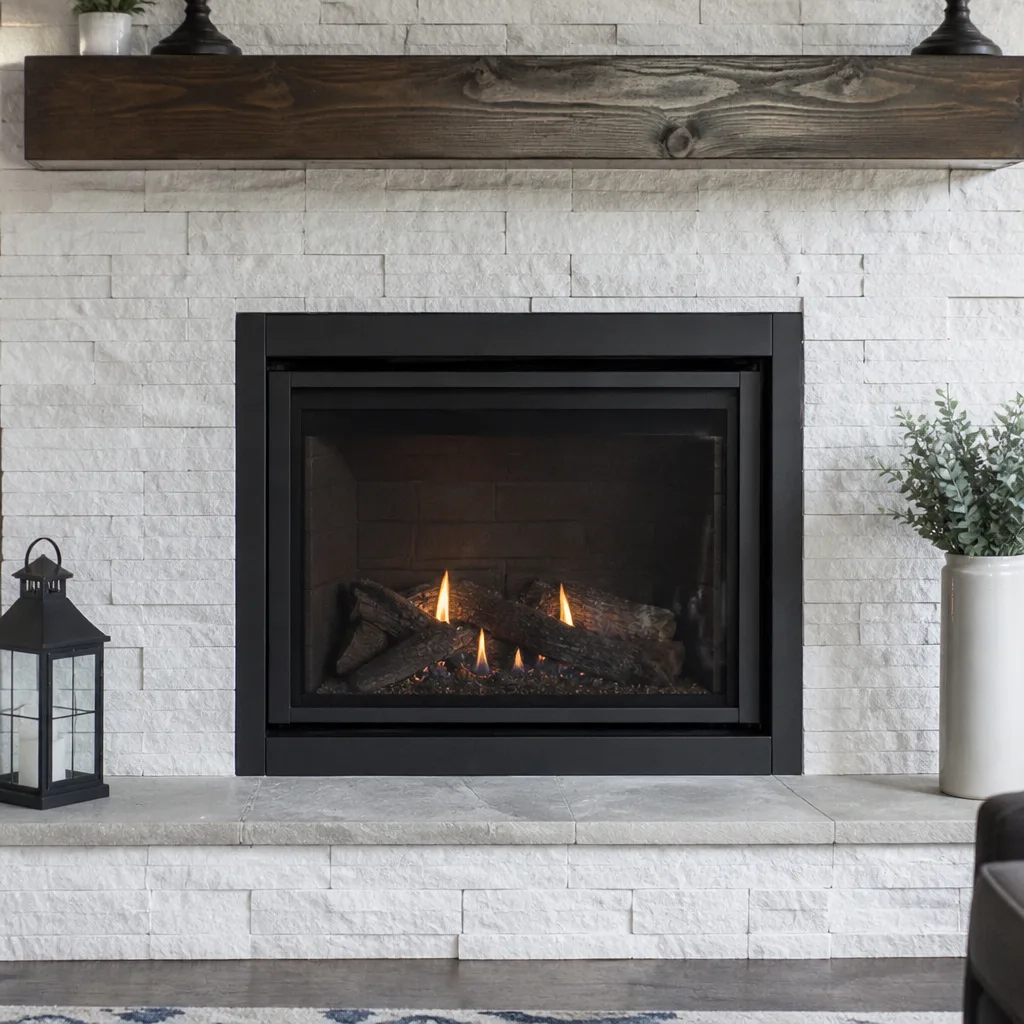 Gas fireplace service
Level 1 sweep and inspection to the NFPA 211 annual standard - flue, crown, cap, and flashing checked and photographed
Chimney sweep logs do not sweep chimneys. They loosen some creosote - which then falls where a brush and vacuum still have to collect it.
Seasonal Chimney Cleaning Care for Vacaville: Year-Round Homeowner’s Guide
Most Vacaville homeowners schedule their chimney sweep in October, right before they want to light a fire. That timing feels sensible, and it’s the worst possible timing for catching problems early enough to fix them before heating season. A chimney that sat through a dry Sacramento Valley summer has been baking and settling for months, and by the time you’re ready to strike a match, there’s no room left in the calendar to repair what an inspection turns up. This guide lays out what a chimney actually needs in Vacaville, month by month, based on what our dry summers and damp winters do to masonry, flues, and crowns.
Quick Answer
The best time to book chimney cleaning and inspection in Vacaville is late summer, ideally August or September, before heating season begins. Summer heat stresses mortar and crowns, fall reactivation is when most problems surface, and a clean, inspected flue before the first fire of the year is the single most effective way to prevent chimney fires and carbon monoxide problems. Annual inspection and sweeping, timed to Vacaville’s climate cycle, keeps a wood-burning or gas fireplace safe all year.
Styles & brands we work with
- Sweep & inspection
- Caps & crowns
- Flue relining
- Masonry repair
- Gas fireplace service
Table of Contents
- Why Timing Matters More Than You’d Think in Vacaville
- Late Summer (August-September): The Optimal Inspection Window
- What 100°F+ Days Do to Mortar Joints and Crowns
- Fall Reactivation Protocol: Before the First Fire
- Winter Mid-Season Checks for an Active Chimney
- Spring Tasks: Nesting Material, Rain Damage, and What to Log
- How Often Should a Vacaville Chimney Be Swept?
- Common Mistakes to Avoid
- When to Call a Professional
- Frequently Asked Questions
Why Timing Matters More Than You’d Think in Vacaville
Most chimney care advice is written for a generic climate, and generic advice misses the specific stress cycle a Vacaville chimney goes through. Vacaville sits in a hot inland valley where summer afternoons regularly push past 100°F, followed by mild, damp winters. That’s a very different pattern from the cold-snow climates most chimney guides assume. There’s no deep freeze here, no ice damming, no snow load on the roof. Instead, the chimney goes through a long, hot dry season that slowly works on the masonry, followed by a damp season that finds and exploits every gap.
That cycle produces two distinct problem windows. The first is late summer, when months of heat have had their way with mortar joints, crowns, and flashing. The second is early fall, when the first rains arrive and any weakness in the masonry starts letting water in. A fall chimney sweep catches the creosote buildup from last season and confirms the flue is clear. A late-summer inspection catches structural problems while there’s still time to repair them before you need the fireplace. Those are not the same job, and doing only the first leaves you exposed.
In our experience, the homeowners who avoid expensive chimney repairs aren’t the ones who sweep most often. They’re the ones who inspect at the right time and act on what the inspection finds. When we handle a Chimney Sweep Vacaville visit in September, we’re often flagging a mortar joint or a hairline crown crack that would have been a straightforward repair now and a major rebuild by spring. Timing is most of the value.
Late Summer (August-September): The Optimal Inspection Window
Late summer is the best time of year to inspect a chimney in Vacaville, because it’s the moment the chimney has finished taking its worst seasonal punishment and you still have weeks before the first fire. Book the inspection in August or September and you get a full picture of the chimney’s condition at peak thermal stress, plus a real window to schedule repair work before heating season starts.
Here’s what a late-summer chimney inspection should involve:
- Full exterior survey of the masonry. The technician walks the roofline looking at mortar joints, the crown, the flashing, and the cap. Summer heat opens joints and hairline cracks that close up or hide once the rains come.
- Interior flue examination. A camera inspection shows the condition of the flue liner – whether it’s cracked, spalling, or intact – and whether creosote or blockages built up over the last season.
- Creosote assessment. Creosote glazed onto the flue walls is a fire hazard, and late summer is a good time to be honest about what stage it’s in before the next season adds to it.
- Draft and airflow check. With windows closed and the house sealed up against the heat, you can test draft and identify problems you’d never notice with the house open in spring.
- Photo documentation. A professional inspection includes photos you can look at yourself. Anything recommended should be something you can see.
The practical benefit of August or September is scheduling. By October, everyone in Vacaville wants a sweep at once, and repair work that needs a written estimate, approval, and a scheduled visit becomes a scramble against the first cold night. Booking in late summer means you know what’s wrong and have time to address it.
What 100°F+ Days Do to Mortar Joints and Crowns
The masonry on a Vacaville chimney takes a real beating in summer, and the damage is easy to miss from the ground. Mortar is the flexible, slightly softer part of a masonry chimney, and it expands faster than the brick or stone around it when temperatures climb above 100°F. Over many hot days, that difference in expansion works the joints loose. You get hairline cracks, joints that recede, and eventually gaps where water can enter.
The crown – the angled cap of mortar or concrete at the very top of the chimney – is even more exposed. It sits in full sun for months, and the same expansion-and-contraction cycle opens small cracks that start invisible and grow. A cracked crown is one of the more common late-summer findings in Vacaville, and it’s a problem you want to catch in August rather than in January, because a cracked crown lets water straight into the flue.
What you can check from the ground, safely, without climbing anything:
- Look up at the crown with binoculars. Are there visible cracks or chunks missing at the top?
- Look for white, powdery staining on the chimney’s exterior – it can indicate moisture working through the masonry.
- Check the brickwork for joints that look recessed or sandy compared to others.
- Look at the flashing where the chimney meets the roof – any gaps, rust streaks, or lifted metal.
- Check for a chimney cap that’s loose, rusted, or missing.
Some of that you can spot from the ground. Some of it requires a trained eye on the roof, and we mean it when we say don’t climb up there yourself – roof work is a genuine injury risk, and the tools and equipment to do it safely are the technician’s job. What we do is diagnose and repair, not just clean. A heat-stressed crown, loose flashing, or receding mortar joint is a chimney repair job, and in our experience the repairs that are small in September are not small by spring.
Fall Reactivation Protocol: Before the First Fire
Fall is when the chimney comes back to life, and it’s worth treating the first fire of the season as a real event. Before you light that first fire in Vacaville, work through the following steps. Most of them take minutes and catch the problems that would otherwise turn up at the worst possible moment.
- Confirm the flue was swept and inspected this year. If you skipped the late-summer inspection, book one now, before the first fire, not after. A flue that hasn’t been examined since last season is an unknown.
- Open the damper fully and confirm it moves freely. The damper control can stick or seize over summer. Check it before you’re sitting in front of a fire.
- Clear the firebox of old ash and debris. Ash from last season can choke airflow, and it’s easier to deal with when the box is cold.
- Inspect the glass and the firebox for cracks. On gas inserts, a cracked ceramic log or damaged gasket can affect combustion. On wood-burning units, look for cracked firebrick or loose refractory panels.
- Check the chimney cap and the top of the flue. Make sure the cap is secure and the spark arrestor screen isn’t blocked. Blockages can cause poor draft and smoke to back up into the house.
- Do a burn-in. Open a window by the fireplace slightly and light a small fire to test draft and confirm smoke goes up rather than into the room. Do this before you commit to a full fire.
- Test smoke and carbon monoxide detectors in the same room as the fireplace. This is a basic safety check, and it’s the one thing worth doing every season.
In our experience, the fall reactivation is where most homeowners discover a drafting problem or a damper that won’t open. Catching those before the family gathers around the fire is much easier than discovering them at the moment everyone wants warmth. If the first fire sends smoke into the room or the draft feels weak, don’t burn through it – call for an inspection. A blocked flue or a damaged liner can send flue gas and carbon monoxide into the living space, and that’s not something to guess at.
Winter Mid-Season Checks for an Active Chimney
Once a chimney is in active use, it needs a mid-season look, not just a pre-season one. Halfway through heating season is the right time to check in. Vacaville winters are damp but mild, so the wood you burn, the moisture in the air, and the house being closed up all influence how the chimney is behaving.
A mid-season check doesn’t need to be a full inspection, but it should cover a few things:
- Listen for changes in draft. A chimney that drafted well in November but feels weak in January is telling you something’s changed – often accumulated creosote or a partially blocked cap.
- Look at the firebox for fresh creosote or soot buildup. A dark, tar-like glaze inside the flue or the firebox means creosote is building faster than expected. If you’re seeing a lot of it, it’s worth a sweep even mid-season.
- Watch for smoke smell inside the house. A smoke smell in a closed house, especially in a room away from the fireplace, can indicate backdrafting.
- Check the masonry you can see from inside. The chimney breast and any exposed brick inside the house can show dampness, white staining, or dark streaks where water or creosote is working through.
- Keep an eye on burn quality. Wood that hisses, bubbles, or burns slowly is wet and produces more creosote. Seasoned wood burns cleaner and lightens the load on the chimney.
Also worth noting: if you have a gas insert rather than wood, the mid-season check focuses more on the burner and venting and less on creosote, but it still matters. A gas insert that’s burning with a visible flame and no smell is generally working as it should. A gas fireplace that smells, that has a lazy-looking flame, or that sets off the carbon monoxide detector is a stop-and-call situation. And if a fire fails mid-season, we answer 24/7. A call outside dispatch hours is booked into the next opening, Sunday through Friday, 7am to 7pm.
Spring Tasks: Nesting Material, Rain Damage, and What to Log
Spring is when a Vacaville chimney comes out of heating season and into its maintenance window. The fireplace is off, the rains are winding down, and you have a clear view of what a full winter did to the structure. Spring is also when birds and other animals start looking for a place to nest, and a chimney with an open or missing cap is a prime candidate.
Spring checklist:
- Check for nesting material. Birds, squirrels, and other animals will build in an open flue, and a nest blocks it. If the chimney has no cap, that’s the first thing to address – a proper cap prevents the problem.
- Inspect the flashing and the crown after the wet season. This is when any water intrusion from the winter shows up – staining, soft mortar, or damp patches on the chimney breast.
- Look at the roofline for debris. Leaves and twigs collect at the base of the chimney and can hold moisture against the masonry.
- Log what you found for next fall. Note the date of the last sweep, the condition of the flue and crown, any repairs scheduled, and any new symptoms you noticed over the winter. When August comes, that log is the difference between a routine visit and starting from scratch.
- Schedule any deferred repair work for early summer. A repair caught in spring can be done in the dry months without pressure. A repair put off until October is a race against the calendar.
We use professional-grade materials for structural repair, including HeatShield for chimney resurfacing and liner restoration and DuraFlex for full relining. That matters because a spring finding like a spalled flue liner or a crumbling crown comes in two flavors: the kind you can resurface and restore, and the kind that needs relining. Both are chimney repair work we do, but they’re different jobs and they’re not something a general handyman should attempt. A specialist can tell you which one you need and show you the evidence.
How Often Should a Vacaville Chimney Be Swept?
A Vacaville chimney burning wood should be swept and inspected at least once a year, and more often if you burn heavily or burn wood that isn’t well seasoned. The once-a-year rule is the baseline most chimney professionals recommend. The real answer depends on how much you use the fireplace and what goes up the flue.
A rough way to think about it:
- Occasional use (a few fires a month through the cool season): annual sweep and inspection is generally sufficient.
- Regular use (fires most nights in winter): annual sweep, plus a mid-season look at creosote buildup.
- Heavy use (the fireplace is a primary heat source): may need more than one sweep per season, especially with a large firebox.
- Gas inserts: annual inspection is still recommended, though creosote isn’t the concern it is with wood – venting and the burner are.
In our experience, the condition of the flue drives the answer. A chimney that shows a heavy glaze of creosote after one season needs attention more often than one that doesn’t. A chimney with a damaged liner needs repair before the question of sweeping schedule even makes sense. That’s why we don’t quote a sweep blind – we inspect, show you what’s in the flue, and then recommend. Nothing is recommended without camera evidence you can look at yourself, and if a piece of work can safely wait until next season, we say so. If you’re in the Vacaville area and unsure where your chimney stands, a camera inspection settles it quickly.
Common Mistakes to Avoid
- Sweeping only in fall. Vacaville’s summer heat is what stresses the masonry, and waiting until October means you find structural damage too late to repair before the fire. Late summer is the better inspection window.
- Skipping the inspection because the sweep looked “fine.” A clean flue and a sound liner are separate questions. Cleaning shows the firebox and flue are clear, not that the flue liner and crown are intact.
- Burning wet or unseasoned wood. Damp wood burns cool and slow, which builds creosote faster than properly seasoned wood. Vacaville’s dry climate makes drying wood easy, so there’s little reason to burn it wet.
- Ignoring a cracked crown or damaged flashing. A small crack in the crown or a lifted flashing joint lets water into the flue. Water damage to masonry and liner is one of the more expensive chimney problems, and it almost always starts small.
- Letting an animal nest or a bird sit in the flue. In spring and summer, an open flue invites nesting material that blocks the chimney and can send smoke and carbon monoxide into the house on the first fire.
- Trusting a general handyman with a liner or masonry job. Sweeping is one task; relining and crown resurfacing are specialist repairs requiring the right materials and the training to install them. A job that looks simple to a generalist on a chimney is a job we handle on every single visit.
- Deciding based on the cheapest quote alone. For chimney repair, ask what material is used, ask to see photos of the diagnosis, and ask whether the work is something that can wait. A price-first decision often ends up costing more in the long run.
When to Call a Professional
Call a professional chimney specialist in any of these situations: the flue hasn’t been inspected this year, you’re seeing soot or creosote inside the firebox, there’s a smoke smell in the house when the fireplace isn’t running, the draft feels weak, or the chimney’s exterior shows cracks, missing chunks, or white staining. If your smoke or carbon monoxide detector has gone off, treat it as a stop-and-call situation – don’t burn through it. If you’re buying or selling a home, an inspection report from a chimney specialist supports the transaction and gives the buyer or their insurer documentation on the chimney’s condition. Anything involving a flue liner, a crown, or masonry is a specialist’s job, and chimney-only focus is what you want on that call. A generalist rotating between trades won’t have the same depth on a relining job or a HeatShield resurfacing.
Chimney Sweep Vacaville offers free estimates in Vacaville – call (844) 797-8347. We answer 24/7. Fast dispatch from 7am to 7pm, Sunday through Friday. Our technicians have up to 9 years of experience, and the written estimate is what sets the final price – the number they quote isn’t a guess.
Frequently Asked Questions
Chimney sweep pricing in Vacaville depends on the job – the size of the flue, how much creosote is present, and whether an inspection is included. We price per job by written estimate rather than quoting a flat number over the phone, because a sweep and a full inspection with camera evidence are different scopes. The estimate is free, and the number in writing is the final price. Call (844) 797-8347 for an exact quote – estimates are free.
You need a new liner if the inspection shows the existing liner is cracked, spalled, or otherwise compromised and can’t be restored. A liner is what keeps flue gases and heat inside the chimney and away from combustible parts of the house, so an intact liner is a safety issue, not a cosmetic one. The flip side is that not every compromised liner needs replacement – some can be resurfaced and restored using HeatShield, which is a repair we handle. We’ll show you the camera evidence and tell you which option applies, and we’ll say plainly if the work can safely wait. Call (844) 797-8347 for an exact quote – estimates are free.
A wood-burning chimney should be swept and inspected at least once a year in Vacaville, and more often with heavy use or wet wood. The annual baseline comes from creosote buildup and the need to check the flue structure, not from a hard rule. If you burn regularly through the heating season, an annual sweep plus a mid-season look is the safer pattern. Call (844) 797-8347 for an exact quote – estimates are free.
Skipping the annual sweep and inspection lets creosote accumulate and lets structural problems go undetected, which is where chimney fires start and where carbon monoxide problems become possible. Creosote is the flammable residue of incomplete combustion, and a heavily glazed flue is a fire risk. A cracked flue liner or failed crown also lets heat and gases reach places they shouldn’t. We won’t scare-sell a chimney, but we will be direct about what a compromised flue means. Call (844) 797-8347 for an exact quote – estimates are free.
Late summer is the best time to schedule an inspection in Vacaville – August or September, before heating season. That timing catches the damage from the hot dry months and leaves weeks to complete any repair before the first fire. Fall is also fine, but it’s the busiest season, and repairs that need follow-up can get crowded against cold weather. Late summer gives you the diagnosis and the calendar space to act on it.
Gas inserts don’t build creosote the way wood-burning fireplaces do, but they still need an annual inspection of the venting, the burner, and the firebox. Gas appliances produce moisture and carbon monoxide, so a blocked or damaged vent is a real safety concern. An annual inspection catches a lazy flame, a blocked vent, or a worn gasket before it becomes a problem. Call (844) 797-8347 for an exact quote – estimates are free.
The Bottom Line
The short version: time your chimney care to Vacaville’s actual seasons. Inspect in late summer so the hot, dry months are behind you and repairs can happen before heating season. Reactivate carefully in fall before the first fire. Check in mid-season, especially for draft changes and creosote. Handle springs tasks – nesting material, rain damage, and a maintenance log – so August doesn’t catch you unprepared. A chimney is a system, and the work is sweeping, repair, and inspection, all of which belong with a chimney-only specialist. Our technicians have up to 9 years of experience, we use professional-grade materials, and we’ll always show you the evidence before recommending anything.
Contact Chimney Sweep Vacaville for a free estimate and a clear answer on where your chimney stands – call (844) 797-8347. We answer 24/7. Fast dispatch from 7am to 7pm, Sunday through Friday. Closed Saturday. Plan the inspection for late summer and you’ll have the diagnosis, the estimate, and the time to act well before the first fire.
Written by the team at Chimney Sweep Vacaville.
See the difference
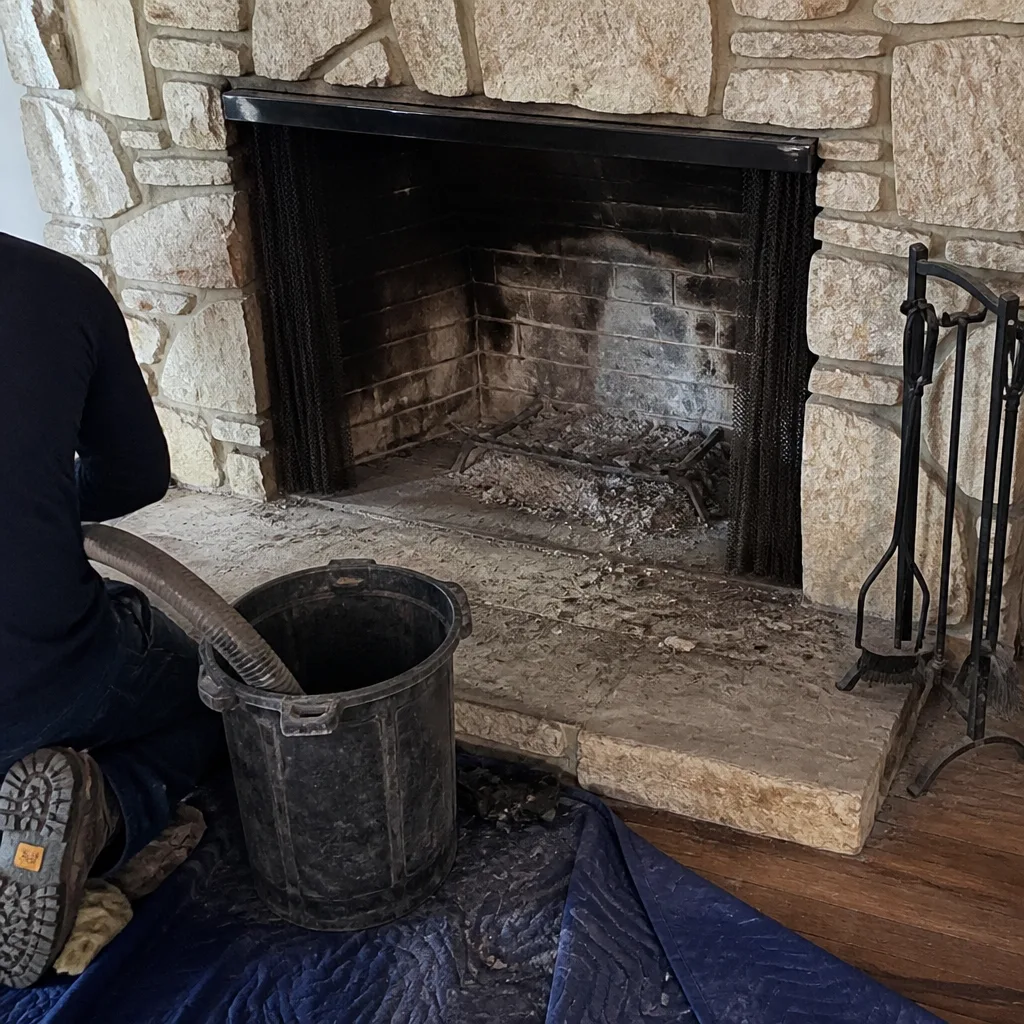 Before
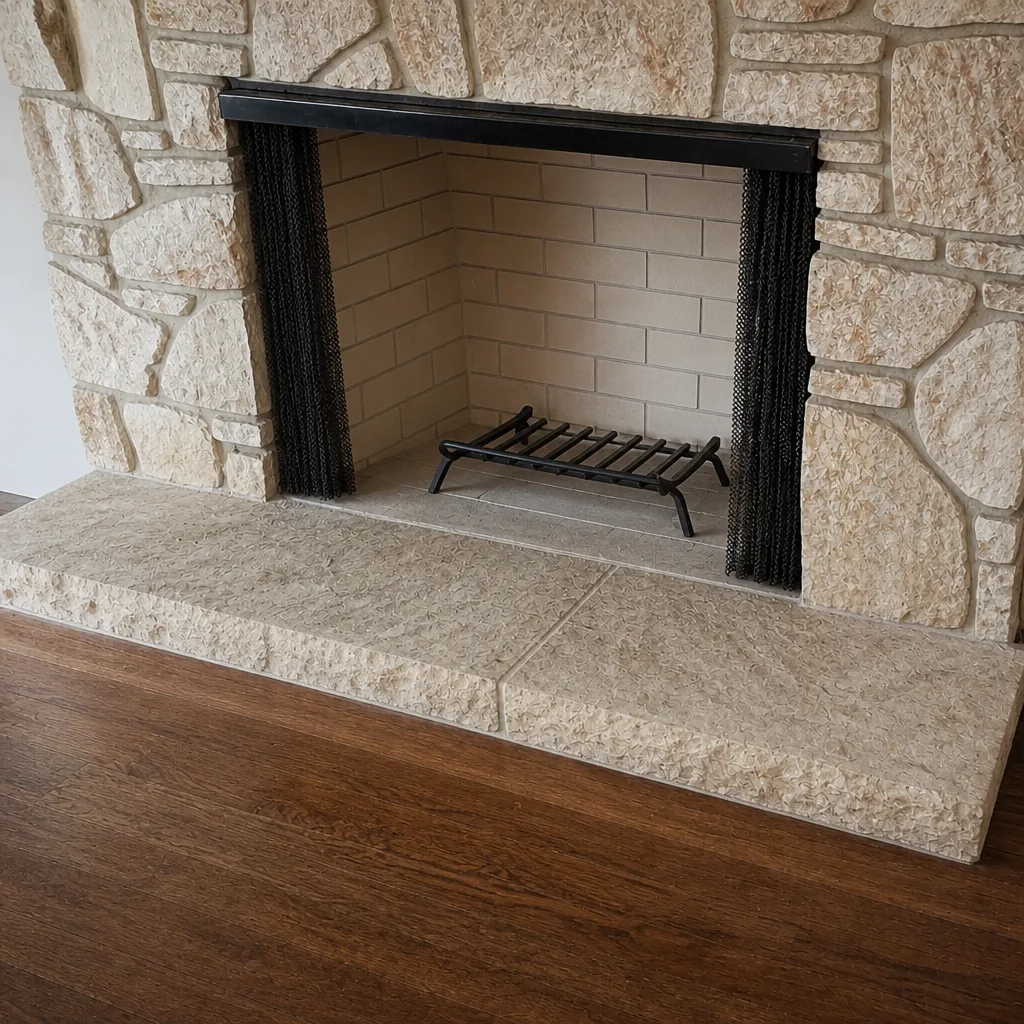 After
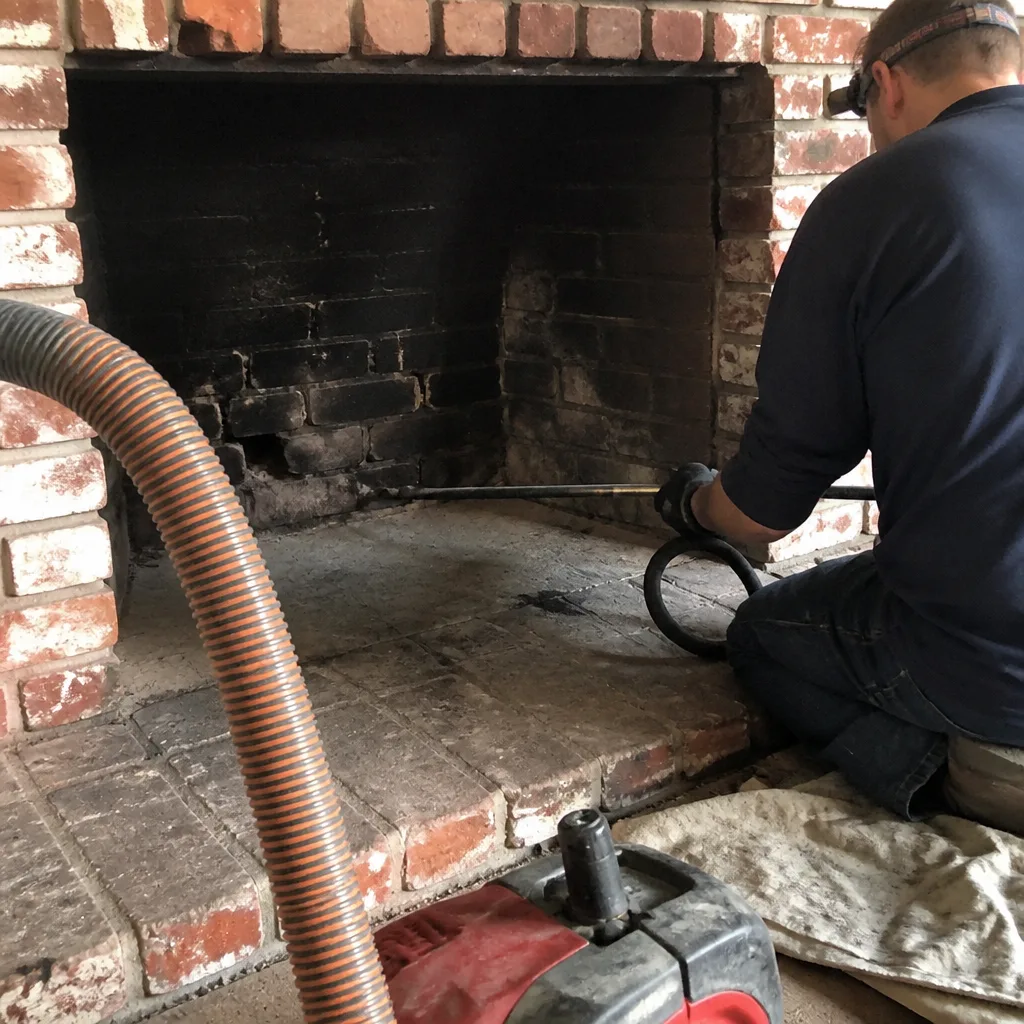 Before
 After
 Before
 After