
Last updated November 16, 2026
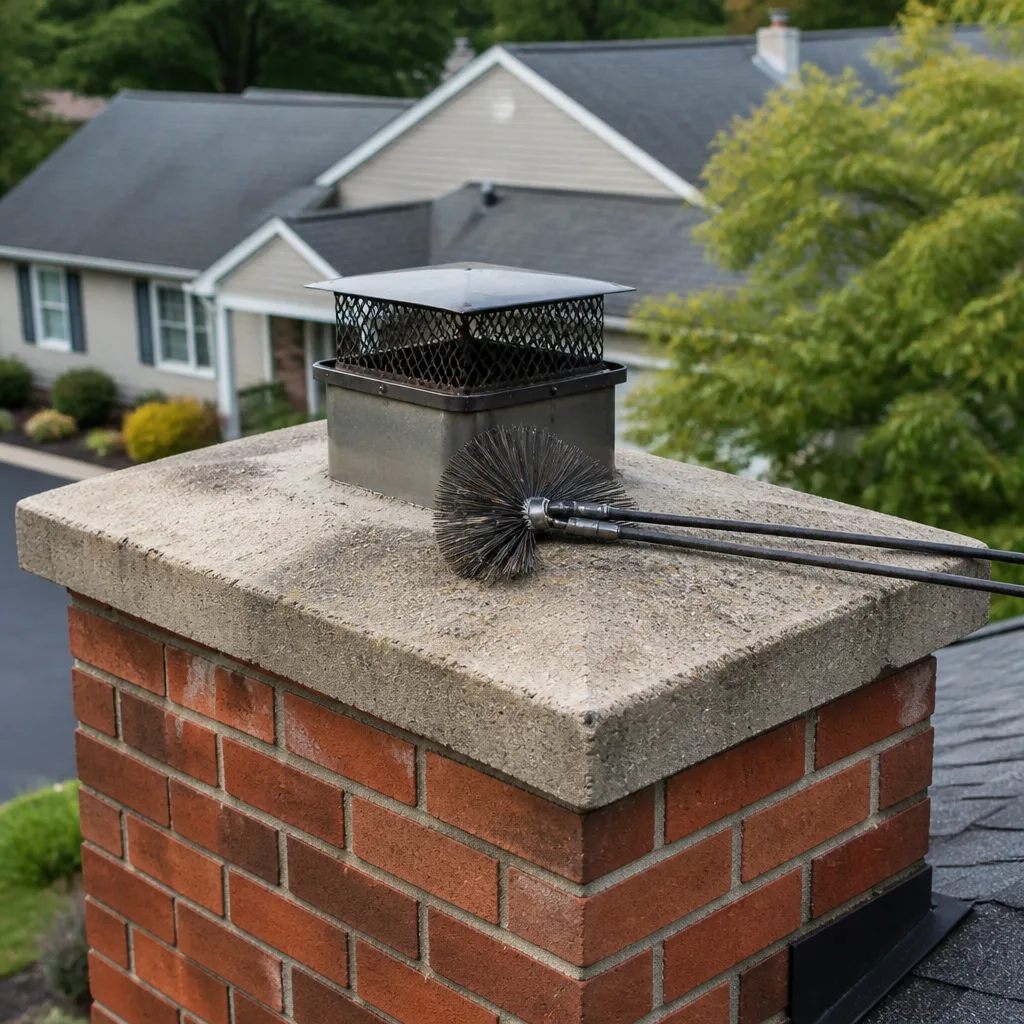 Sweep & inspection
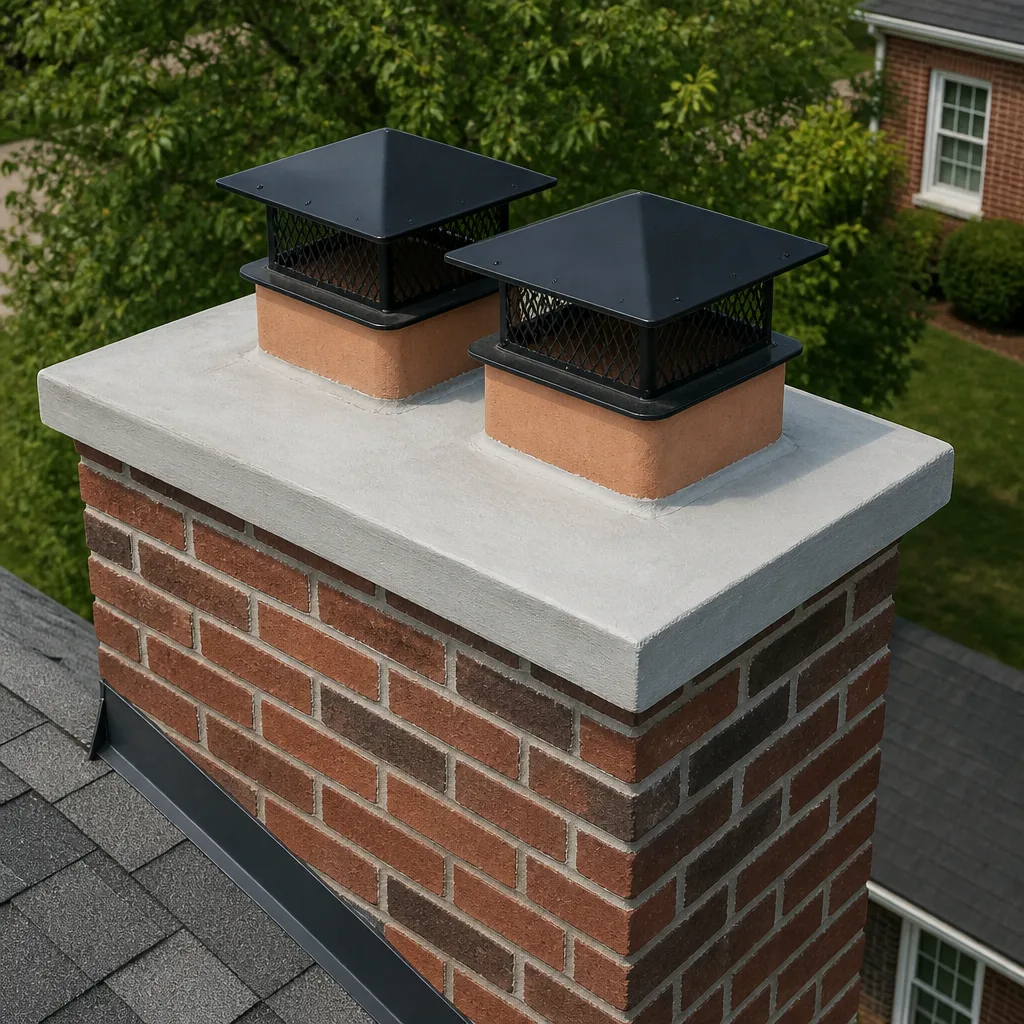 Caps & crowns
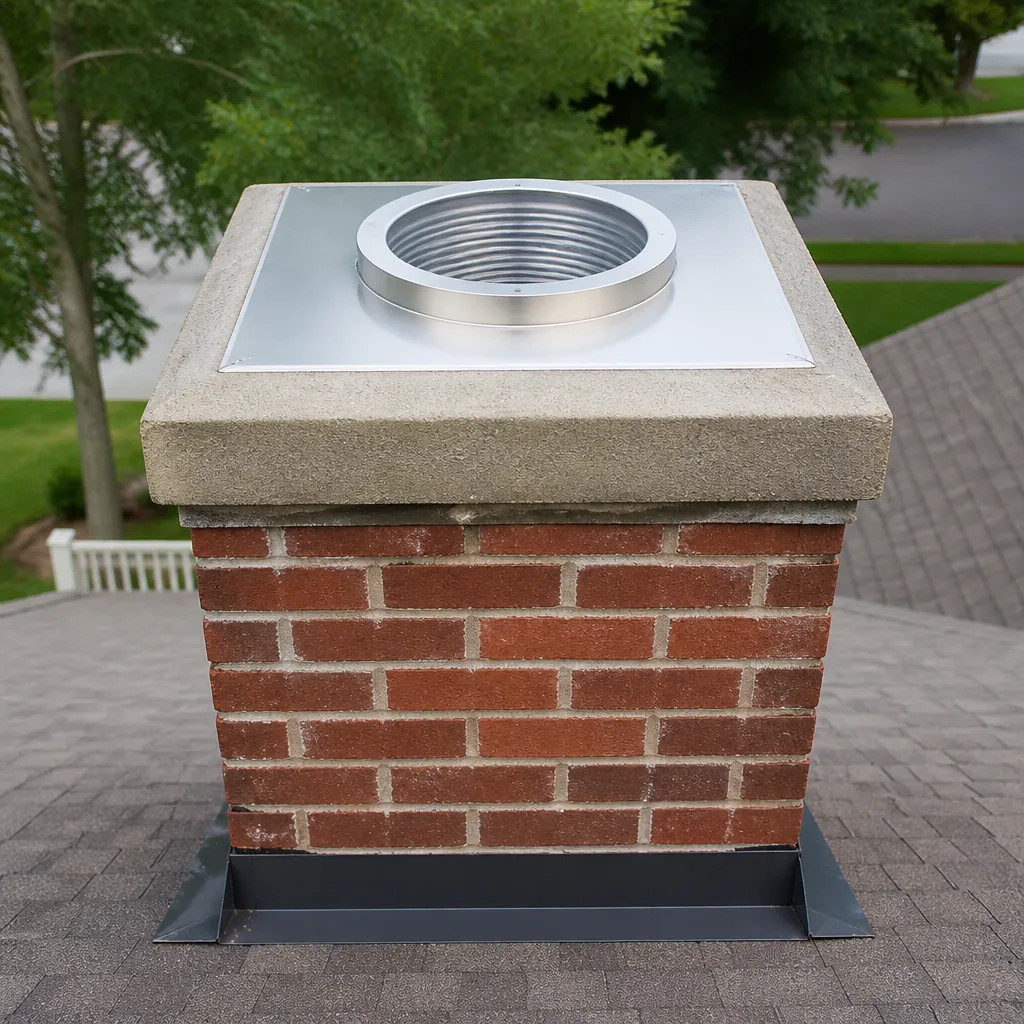 Flue relining
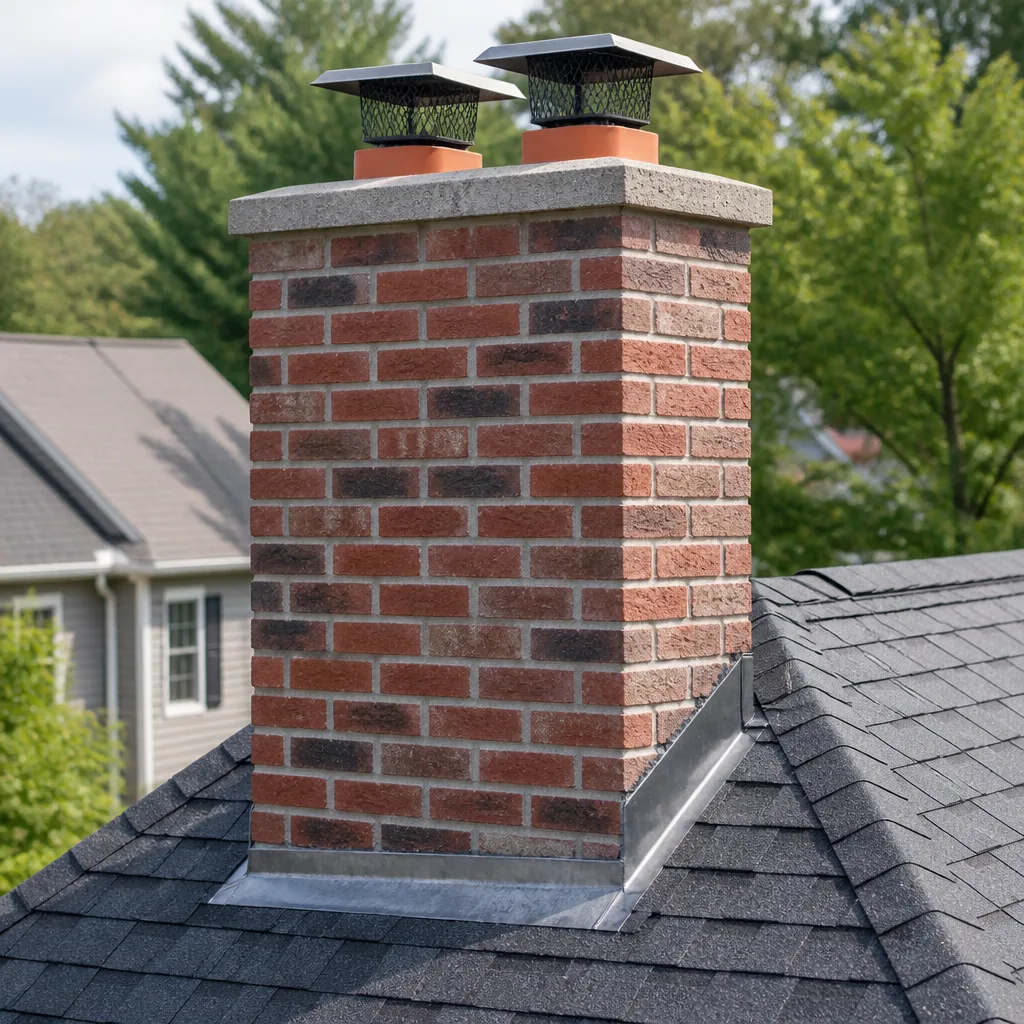 Masonry repair
 Gas fireplace service
Level 1 sweep and inspection to the NFPA 211 annual standard - flue, crown, cap, and flashing checked and photographed
Chimney sweep logs do not sweep chimneys. They loosen some creosote - which then falls where a brush and vacuum still have to collect it.
Chimney Sweep Maintenance Checklist for Vacaville Homeowners
Most chimney care advice floating around online was written for places with long, hard freezes and months of steady burning. Vacaville isn’t that. Here, wood burning gets interrupted by Spare the Air days, summers run hot and dry, and the shift into fall can happen fast enough that homeowners light the first fire before they’ve looked at the flue. Those interruptions don’t stop creosote from building up from the burns you did do, and that’s where a lot of generic checklists fall short. This guide gives you a sequenced, month-by-month checklist built around how Vacaville actually burns, plus the point where a homeowner’s flashlight should hand off to a camera and a trained sweep.
Quick Answer
A Vacaville chimney needs three things every year: a visual check of the exterior (crown, cap, flashing) before the burn season starts, a sweep once creosote reaches about an eighth of an inch or after roughly a cord of wood, and a professional camera inspection if you’ve had chimney fires, odor, drafting trouble, or a home sale in the works. The checklist below breaks each of those into seasonal tasks you can do yourself, and flags the points where a chimney-only specialist should take over.
Styles & brands we work with
- Sweep & inspection
- Caps & crowns
- Flue relining
- Masonry repair
- Gas fireplace service
Table of Contents
- Pre-Season Checklist for Vacaville’s Dry Summer and Sudden Fall
- What Interrupted Use Does to Creosote Chemistry
- Assessing the Crown, Cap, and Flashing Yourself
- Damper and Firebox Checks for Vacaville’s Ranch and Two-Story Homes
- How Often to Sweep and What Actually Happens During a Sweep
- When a Camera Inspection Replaces the Flashlight
- Repair vs. Reline vs. Rebuild: Knowing Which You Need
- Your Yearly Chimney Calendar for Vacaville
Pre-Season Checklist for Vacaville’s Dry Summer and Sudden Fall
Vacaville’s summers are hot, dry, and long, and that stretch does more to a chimney than most homeowners realize. Six months of sun bakes the masonry and the crown. The first rain of fall hits a chimney that’s dried out and possibly cracked. Because the transition from 100-degree afternoons to the first fire can happen in a few weeks, the smart move is to do your exterior checks in late summer, before the weather turns and before everyone else in town decides to book a sweep.
Run through this list in August or September, once the worst of the heat has passed but before the burn season is on you:
- Look at the firebox from inside the house. Check for cracked firebrick, loose mortar joints, or rusted metal components on an insert. Any of those means you stop and call before you burn.
- Open the damper fully and work it back and forth. It should move smoothly and seat cleanly when closed. A damper that sticks, rattles, or won’t open all the way is a drafting problem waiting to happen.
- Check the smoke chamber and the visible flue from below with a strong flashlight. Look for heavy soot, glazed creosote, or animal nests.
- Walk the exterior and inspect the cap and the crown. You want to see an intact cap with no corrosion or missing screen, and a crown with no visible cracks.
- Look at the flashing where the chimney meets the roof. Lifted or missing flashing lets water into the attic and roofline; this is common after a long dry season because the sealant shrinks and cracks.
- Check for bird nests or debris behind the damper. Vacaville’s open country around the edges of town gives birds and rodents plenty of access to an uncapped flue.
- Schedule the sweep now rather than in November. Booking in late summer means the interior is clean before you burn the first log.
For a deeper walkthrough of what a sweep actually covers, our chimney sweep page lays out the process step by step.
What Interrupted Use Does to Creosote Chemistry
Spare the Air days are a fixture of life in the Sacramento Valley air basin, and they change how a chimney behaves compared with a home in a colder climate that burns steadily through the season. When you burn only on the days you’re allowed to, you may light a fire every few nights, then skip a week, then burn a few nights in a row. That stop-and-start pattern matters because creosote forms differently depending on how hot and how long the fire burns.
Every burn creates smoke. That smoke carries unburned wood gases up the flue. When the flue is warm, those gases leave cleanly. When the flue is cold, especially on a first fire after a break, they condense on the cooler flue walls and leave behind creosote. Intermittent burning means more cold-start fires and more condensation cycles per cord of wood. In practical terms:
- First-fires build the most creosote. A cold flue condenses more than a warm one. That first fire after a Spare the Air pause deposits more than the fourth night of a streak.
- Slow, smoldering fires are the worst. Damping a fire down for a long, low burn makes it smoke more and burn less completely, which is the recipe for glazed, sticky creosote.
- Seasoned wood matters more with interrupted use. Wet wood wastes heat on drying itself and throws more smoke up a cool flue. Use wood that’s been split and dried for at least a full season.
- Creosote doesn’t pause when you do. Skipping a Spare the Air day means you didn’t add to the deposit that day. It doesn’t remove what’s already inside.
This is the part most national checklists miss. A house that burns two cords a year steadily has a predictable sweep schedule. A Vacaville house that burns on non-restricted days for five months can build a similar creosote load in fewer, more intermittent burns. That makes a mid-season visual check worth doing, not just a once-a-year one. If you notice heavy, sticky creosote on your first sweep of the season, it’s a sign your burn habits, and possibly your flue temperature, need attention. In our experience, most of the calls that turn into a chimney repair start with creosote buildup a homeowner didn’t know was there.
Assessing the Crown, Cap, and Flashing Yourself
You don’t need a ladder and you shouldn’t climb one. A good pair of binoculars, a clear morning, and a walk around the house from the ground will let you assess the three most vulnerable exterior components from a safe distance. Here’s what to look at and what each tells you.
The Crown
The crown is the concrete or mortar cap at the very top that sheds water off the chimney. A cracked crown lets water soak into the masonry over the winter, which is the leading cause of spalling brick and interior leaks. From the ground, look for visible cracks, crumbling edges, or a crown that has pulled away from the flue. A hairline crack is worth noting. Anything wider, or a crown that looks sunken, is a repair item before rain season.
The Cap
The cap sits on top and keeps rain, birds, and debris out of the flue. On an uncapped flue, you’re inviting problems. A proper cap covers the flue with a screen on the sides. From the ground, look for a missing or corroded cap, bent screens, or a flue that appears wide open at the top. In Vacaville’s dry summers, an uncapped flue collects dust and nesting material; in winter it takes on water straight into the flue, which accelerates cracked tiles.
The Flashing
Flashing is the metal sealing the chimney where it meets the roof. From the ground, look at that joint from a few angles. You want to see intact metal tucked into the roofing with no gaps. Lifted, torn, or missing flashing is a leak waiting for the first real rain. If you can’t see the joint clearly from the ground, that’s fine as a homeowner limit. Note it as an area to ask about during the inspection.
- Cracked crown: repair item, but not urgent before your next fire if the flue is otherwise clear.
- Missing cap: fix before the next burn season; it keeps wildlife and rain out of the flue.
- Lifted flashing: address before the first fall rain, since the damage shows up long after the water has entered.
- Spalling or crumbled brick: worth a professional look, especially if you see white stains or efflorescence on the masonry.
Damper and Firebox Checks for Vacaville’s Ranch and Two-Story Homes
House style shapes which chimney components you need to watch. Vacaville has a lot of mid-century ranch homes and two-story builds, and each has a chimney behavior worth knowing.
Ranch-Style Homes
Single-story homes in Vacaville often have a low, wide chimney footprint with a shallow firebox. Low flues mean shorter chimney height, which matters for draft: a shorter flue is less able to pull smoke up during a cold start. Pay attention to back-puffing (smoke rolling into the room when you light a fire) more than you would on a taller chimney. Check for rusted or warped metal firebox components, and check the damper for a good seal. A damper that doesn’t close tight lets warm room air escape and cold air fall into the room when you’re not burning.
Two-Story Homes
A taller flue drafts more readily, so chimney fires can burn hotter when creosote ignites. The height also makes it harder to see the crown and cap from the ground, so a professional exterior inspection on a two-story chimney is worth doing as part of the annual sweep. On both home styles, check the firebox floor for cracks and the firebrick joints for loose mortar. If you’re in a two-story home and you notice smoke entering the room when the damper is fully open, that’s a sign of a draft problem worth diagnosing.
Our technicians have up to 9 years of experience with both house styles and understand how a Vacaville home’s specific flue length and firebox geometry affect how it burns. Regular checks of the damper and firebox are the most overlooked step in the annual routine; they’re quick, and they tell you whether you have a safe chimney before you light the first fire.
How Often to Sweep and What Actually Happens During a Sweep
The standard rule: sweep when creosote reaches an eighth of an inch inside the flue, or after about a cord of wood, whichever comes first. Most homeowners who burn steadily in Vacaville hit that threshold once a year. If you burn only on non-Spare the Air days and use dry wood, you may stretch it, but don’t guess from the outside. Have the flue brushed once a season and note the creosote level.
What a Professional Sweep Involves
- Setup. Drop cloths, a shop vacuum with HEPA filtration, and a sealed workspace so no soot enters your living space.
- Brush the flue. A rotary brush configured to your flue shape and size is worked the full length from the top down or the bottom up. The brush is sized to your flue’s dimensions; this matters, because the wrong brush leaves deposits on the corners.
- Clean the firebox, smoke shelf, and damper. Soot and debris collect in the smoke shelf and around the damper even when the flue looks clean.
- Check and note. Creosote level, cracked tiles, gaps in the mortar joints, and blockages get noted during the sweep, not after.
- Clean up and report. The chimney comes back to you cleaner than it went in, and you get a plain description of what was found.
If your sweep reveals damage beyond cleaning, that’s where the specialist scope matters. Repair and reline are a different job, and we handle both under the same roof as the sweep so you aren’t juggling separate contractors. You can see the full range of work at Chimney Sweep Vacaville, including structural repair and formal inspection.
When a Camera Inspection Replaces the Flashlight
A flashlight from the firebox tells you what’s visible from below. It doesn’t tell you what’s happening on the far side of an offset flue, above a smoke shelf, or in a tile liner that turns a corner. Camera inspection fills that gap. A professional sweep runs a camera down the flue and records what it sees, edge to edge, so you’re looking at the same evidence the technician is.
You should ask for a camera inspection when:
- You’ve had a chimney fire, even a small one, because cracked tile or warped pipe is invisible without it.
- You notice draft problems, smoke backing into the room, or an odor of creosote after the fire’s out.
- You’re buying or selling a home and the inspection will feed a real-estate transaction or an insurance file.
- You’ve never had one done on an older home and the liner’s condition is unknown.
- Your sweep reveals heavy, glazed creosote or visible damage near the top of the flue.
The camera picture changes the conversation about repair. If the image shows a sound liner, you know you don’t need relining, and you can put that question to rest. If it shows a failed tile or a gap, you’re making the repair decision from evidence rather than a guess. On a home sale or insurance claim, that photo report is worth having in the file.
Repair vs. Reline vs. Rebuild: Knowing Which You Need
Not every problem means a new chimney, and knowing which category you’re in keeps you from paying for the wrong job. Here’s the rough map.
Resurfacing and Liner Repair
Pitted masonry in the smoke chamber and damaged flue walls that are still structurally sound can often be resurfaced. We work with HeatShield, a resurfacing system that restores the inside face of the flue rather than replacing it. This is a repair category many sweep-only companies can’t perform, and it’s a real option when the flue is cracked or pitted but the chimney structure is intact.
Relining
A liner that has actually failed, or an older chimney with no liner at all, calls for a new liner. We install DuraFlex stainless flexible lining systems for a range of shapes, and the choice of liner follows the inspection, not a hunch. When relining is the answer, a full reline job is more than a repair. A genuine camera-based diagnosis is what separates “you need a liner” from “we can resurface what’s there.”
Rebuild
When the masonry above the roof is significantly degraded, cracked through, or unsafe, a partial or full rebuild is the honest answer. This is the least common outcome of an annual check and the most expensive, which is why we don’t arrive at a rebuild call without a clear reason. Materials matter at this stage too. We use Famco and Copperfield components where they fit the design, and match the repair to the chimney rather than the other way around.
If you’re not sure which category your chimney is in, that’s the whole point of the inspection. The photo evidence should tell you, and it should tell you whether any repair can safely wait a season. Our service runs across Vacaville, and the written estimate always sets the final price on the job.
Your Yearly Chimney Calendar for Vacaville
Here’s the sequence most homeowners find helpful. Adjust the months to your own schedule, but the order matters.
- Late summer (August – September): Exterior check from the ground (crown, cap, flashing). Firebox, damper, and smoke shelf check from indoors. Schedule the annual sweep.
- Early fall (September – October): Complete the sweep and, if the flue has ever been unknown or questionable, the camera inspection. Address any flashing or cap issues before the first rain.
- Mid-season (December – January): Quick visual check of the firebox and damper. Watch for back-puffing, odor, or creosote glazing. Note your wood supply and keep it dry.
- End of season (February – March): Final burn, then sweep to clear out end-of-season creosote and close the damper for the off-season.
- Spring (April – May): Address any repairs noted during the fall or winter while the schedule is open. When the chimney was showing its age, the off-season is the practical time for anything that isn’t an emergency.
- Whenever you buy or sell a home in Vacaville: Book a formal inspection with a camera report for the file. A real-estate inspection catches whatever the annual routine would have caught, plus the parts you can’t see.
The point of the calendar is to keep the whole chimney in view, seal to firebox, once every season, instead of only when something goes wrong.
Common Mistakes to Avoid
- Sweeping only after the burn season starts. Booking the sweep in November means you’re burning on a dirty flue for the first weeks of the season. If you’ve had a long, dry summer, the flue has had plenty of time to collect dust and debris, and the first fire of the season should be on a clean flue.
- Treating a Spare the Air pause like a break from maintenance. The days you skip don’t remove the creosote the other days put in the flue. Intermittent burning is actually harder on a flue than steady burning, so don’t let a lighter burn year convince you the annual sweep can wait.
- Confusing a sweep with an inspection. A sweep cleans. An inspection finds problems. If you’ve had a chimney fire, a draft problem, or you’re buying a home, you need the camera inspection even if a sweep was done recently.
- Climbing up to inspect the crown yourself. The most common chimney injury is a fall from the roof, and an untrained eye can miss structural signs a specialist would catch from a proper vantage. Use binoculars from the ground and let a professional inspect from up top.
- Burning unseasoned wood to save money. Wet wood wastes the heat of the fire on drying itself, throws smoke up a cooler flue, and builds creosote faster. This is especially true on Vacaville’s cold-start fires after a Spare the Air pause.
- Letting a small crown crack go through the winter. A hairline crack at the end of summer becomes a water channel by January. Water in the masonry sets up spalling and, eventually, a repair that costs far more than the crack did.
- Accepting a liner recommendation without photos. If a sweep tells you that you need a reline, ask to see the camera images. A chimney-only specialist should show you what’s inside the flue rather than tell you what’s there.
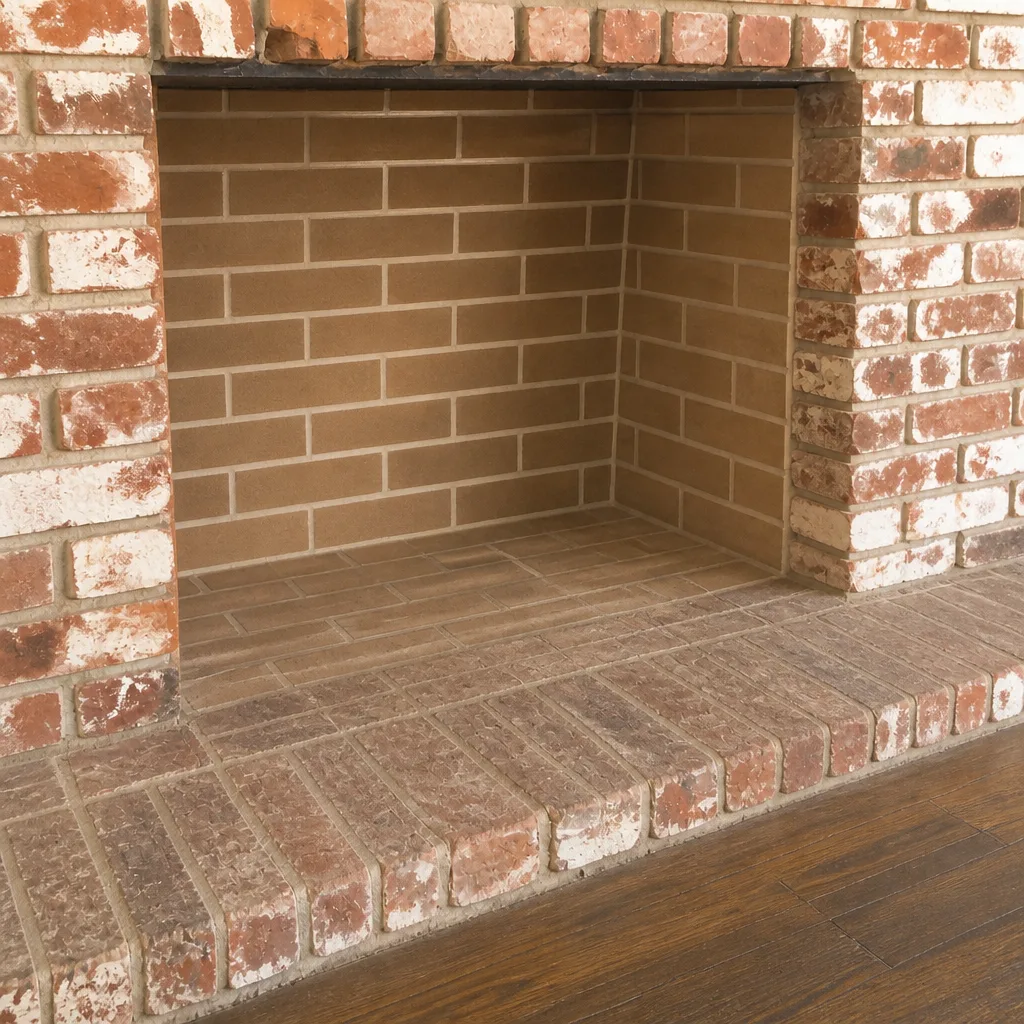
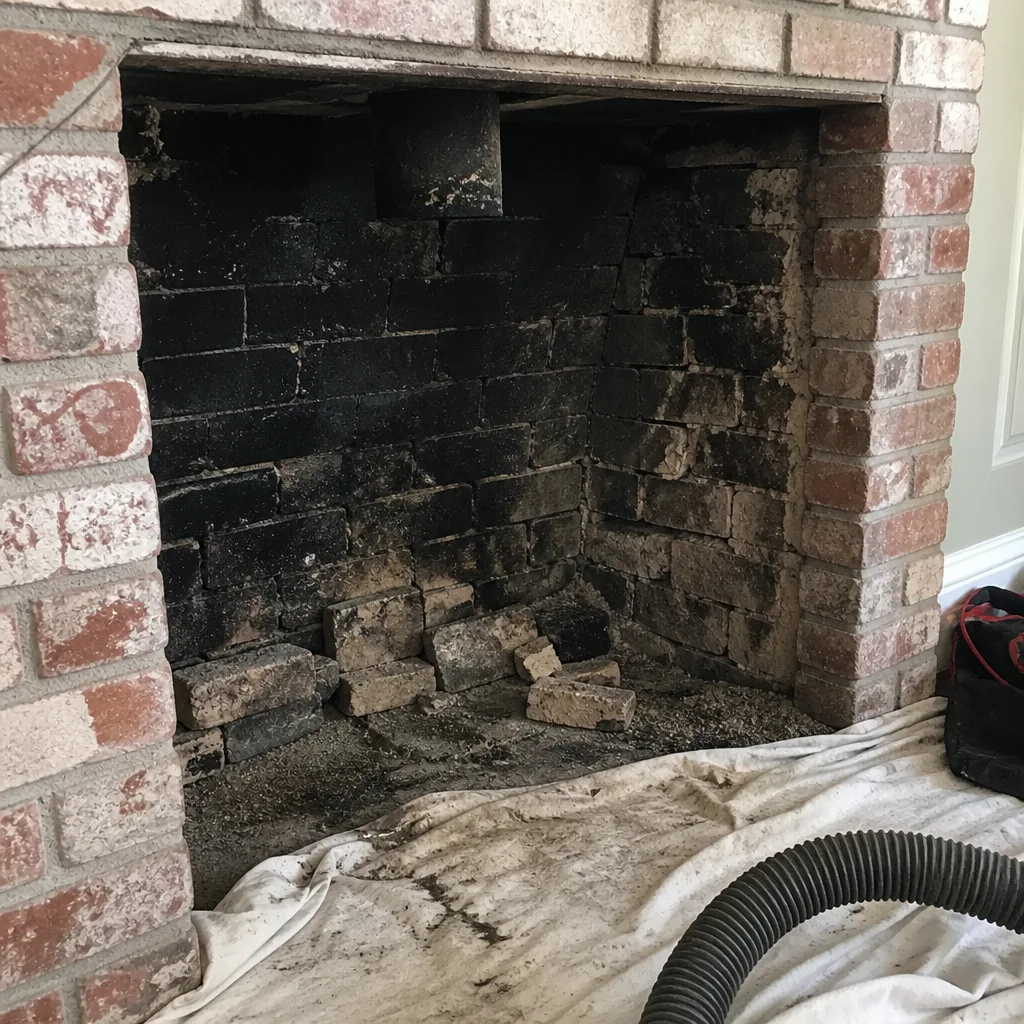
See the difference
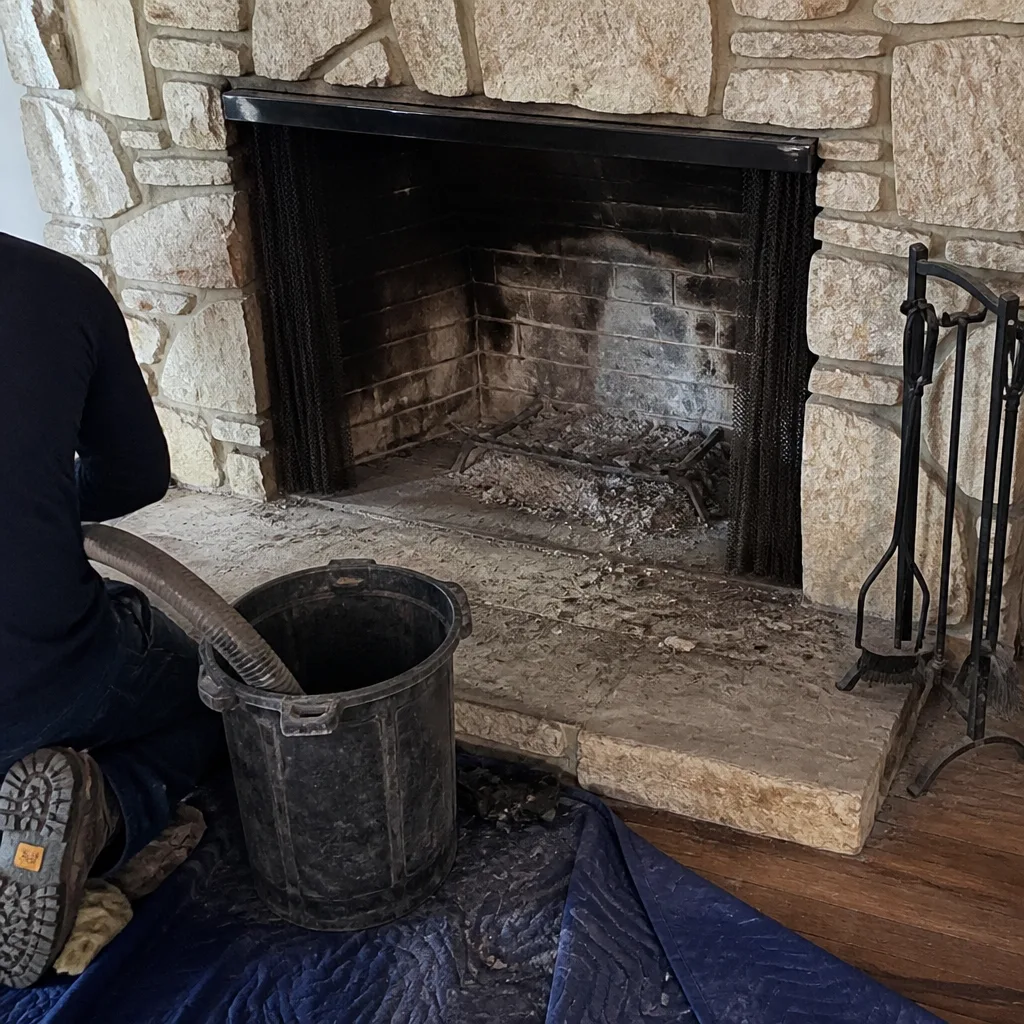 Before
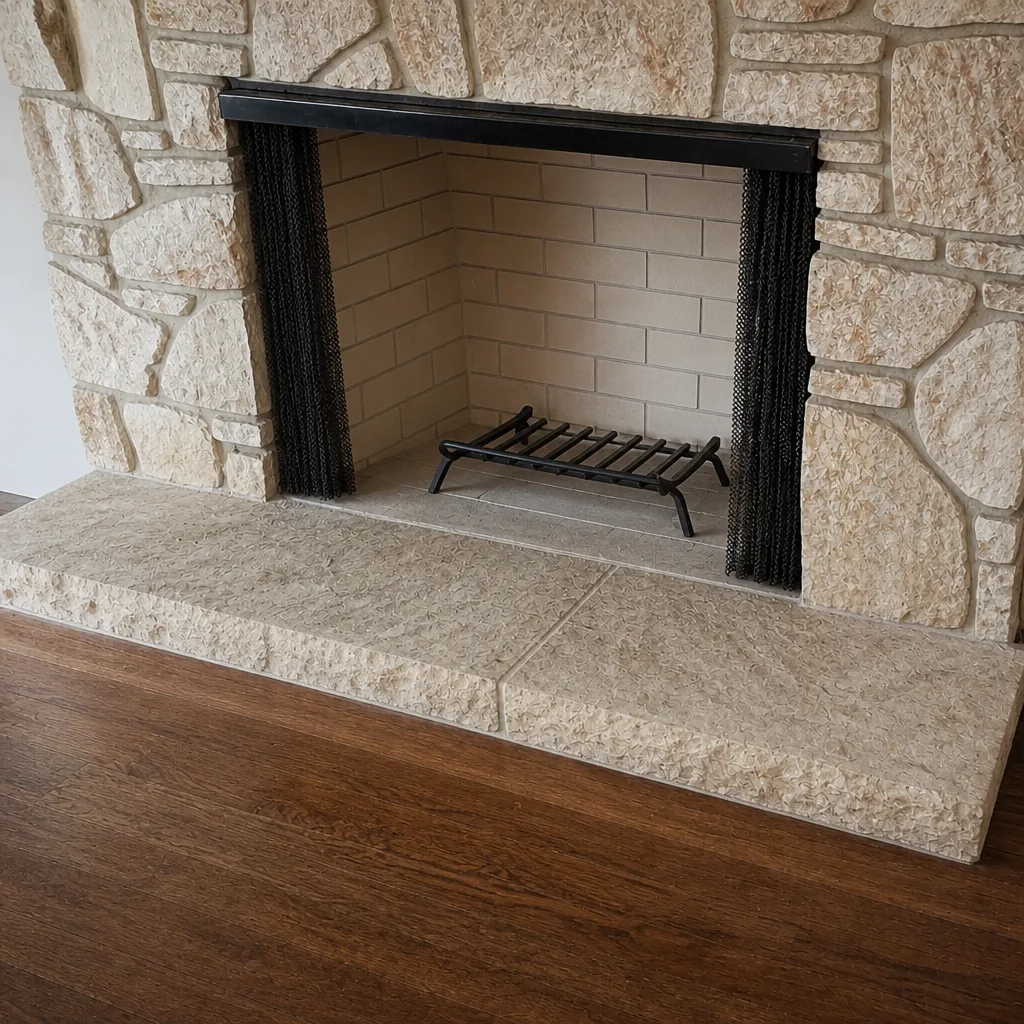 After
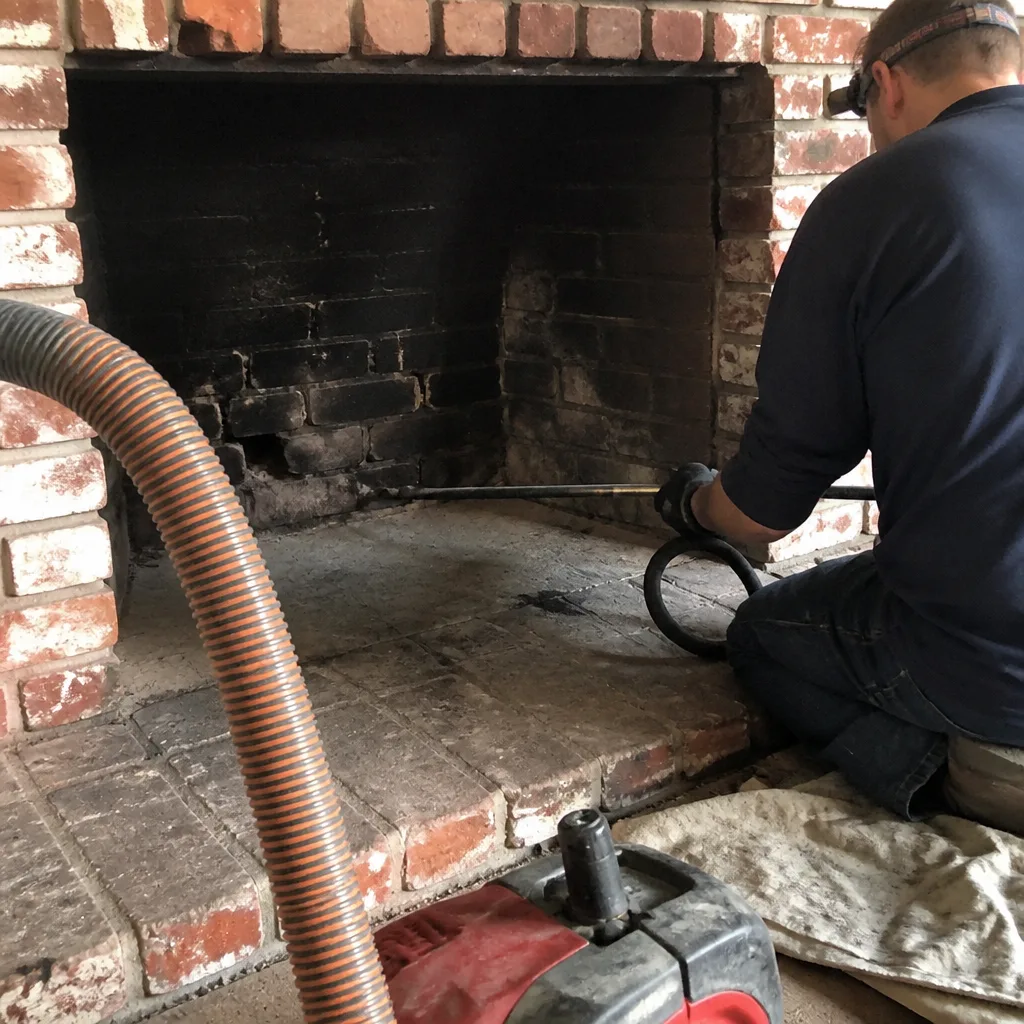 Before
 After
 Before
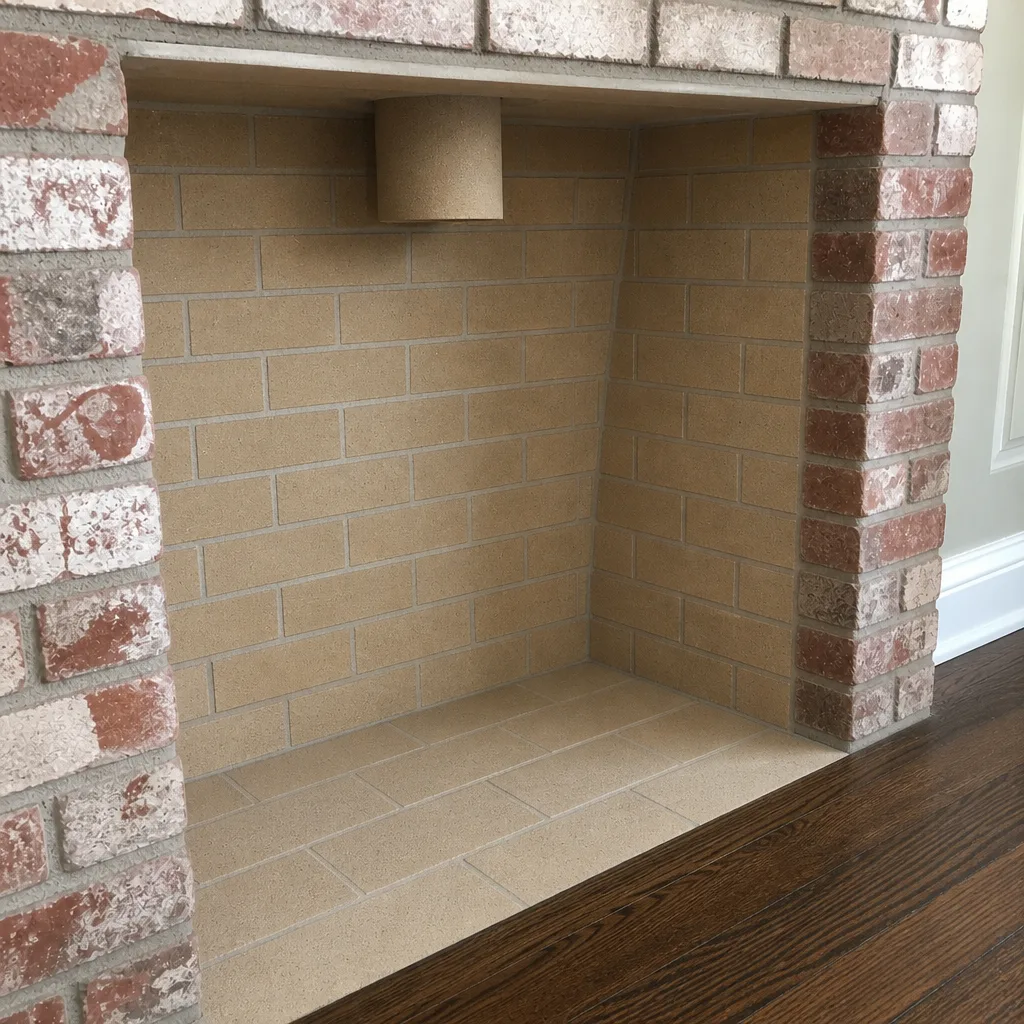 After
When to Call a Professional
Call a specialist, not a generalist, in these situations: you see cracked or spalling brick, a sunken or crumbling crown, or water stains on the ceiling near the chimney. You notice smoke rolling into the room with the damper open, or a persistent creosote odor when the fireplace is cold. You’ve had a chimney fire, even a small one. You’re buying or selling a house and need a formal inspection with a camera report. Or it’s just been a while, and you don’t want to guess. A chimney-only specialist works on nothing but chimneys, so the annual check is their everyday job, not a sideline. Chimney Sweep Vacaville offers free estimates in Vacaville; call (844) 797-8347 to book a sweep or an inspection and to find out whether any repair can safely wait.
Frequently Asked Questions
Once a year is the baseline for most homes, or sooner if creosote reaches an eighth of an inch or you’ve burned about a cord of wood. Because so much burning here is interrupted by Spare the Air days, watch for glazed or sticky creosote at your annual sweep, since intermittent burning can build deposits faster than steady burning. Call (844) 797-8347 to book a sweep before the season.
No. Spare the Air restrictions limit when you burn, but they don’t remove the creosote the burns you did make deposited in the flue. Interrupted use can even concentrate deposits on cold-start fires. Keep the annual sweep on schedule regardless of how many days you actually burned. Call us for an exact quote; estimates are free.
Creosote keeps building, and creosote is what fuels a chimney fire. It also restricts draft and increases the chance of back-puffing into the room. On a two-story flue that drafts well, the same creosote load can feed a hotter fire when it ignites. Skipping a sweep doesn’t just risk a dirty chimney. It leaves a fuel load in place. Call (844) 797-8347 to get it checked and cleared.
Not always. A pitted or cracked flue in a chimney with sound structure can often be resurfaced with HeatShield, and many “liner” recommendations turn out to be a resurfacing job when the camera comes out. Only a camera inspection can tell you for certain. Nothing is recommended without evidence you can look at, and if the flue is sound, we’ll say so. Call for a free estimate and we’ll show you the images.
You can and should check the firebox, damper, and smoke shelf from inside. That’s a genuinely useful homeowner check. But a flashlight from the firebox can’t see above an offset, past a smoke shelf, or through a tile liner, so anything beyond the direct line of sight needs a camera. If you’ve seen anything you don’t trust, have us look. Call (844) 797-8347.
We answer 24/7. A call outside dispatch hours is booked into the next opening, Sunday through Friday, 7am to 7pm. Fast dispatch from 7am to 7pm means an inspection or sweep gets scheduled promptly, not that you’re on your own overnight. Call and we’ll get you on the book.
The Bottom Line
A Vacaville chimney maintenance routine is three habits: check the exterior yourself in late summer, sweep once a season and pay attention to creosote levels given the interrupted burn calendar, and ask for a camera inspection whenever anything is uncertain. The interruptions from Spare the Air days make maintenance more important here, not less, and the dry summer into sudden fall calls for exterior checks before the first rain. Work the tasks in order, do the ones you can safely do from the ground and indoors, and hand off to a chimney-only specialist for anything past the flashlight. Call Chimney Sweep Vacaville at (844) 797-8347 for a free estimate. We answer 24/7, with fast dispatch from 7am to 7pm, Sunday through Friday. The written estimate always sets the final price.
Written by the team at Chimney Sweep Vacaville.