
Last updated November 16, 2026
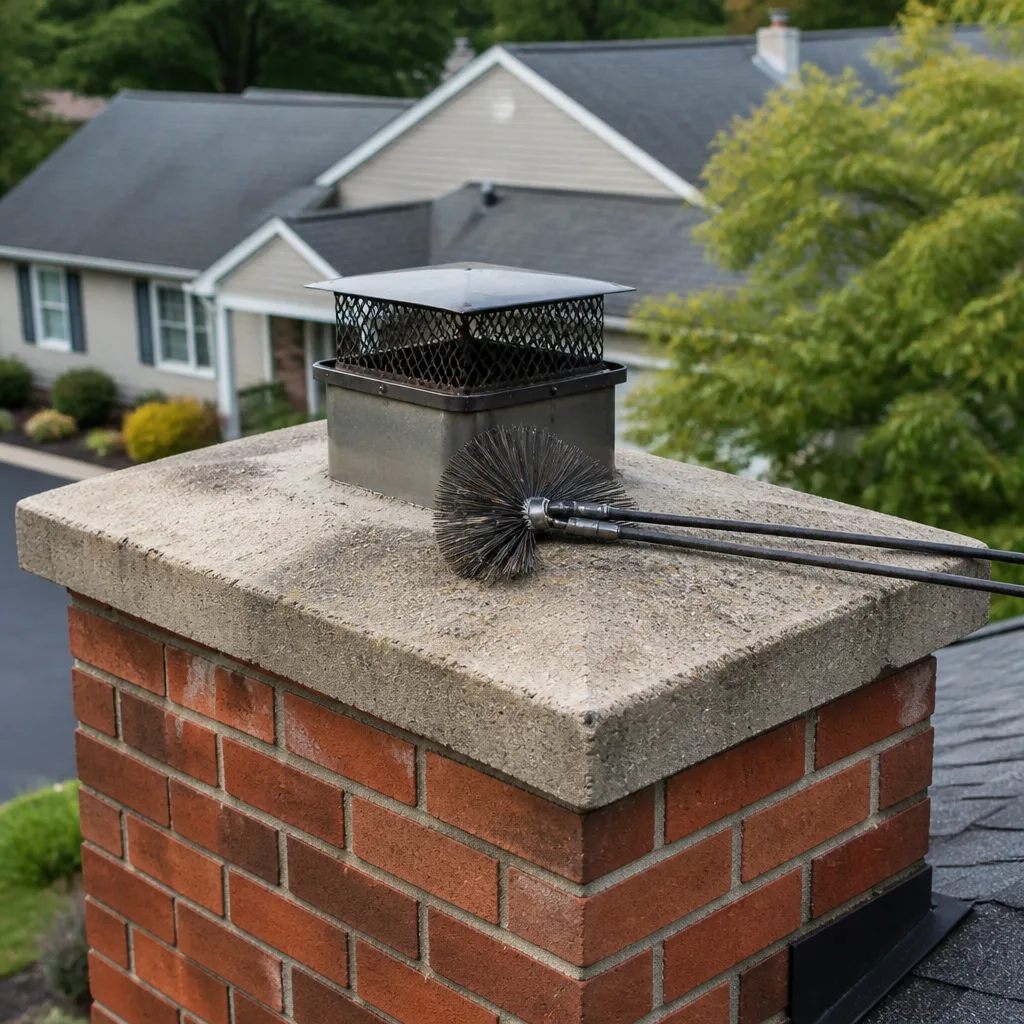 Sweep & inspection
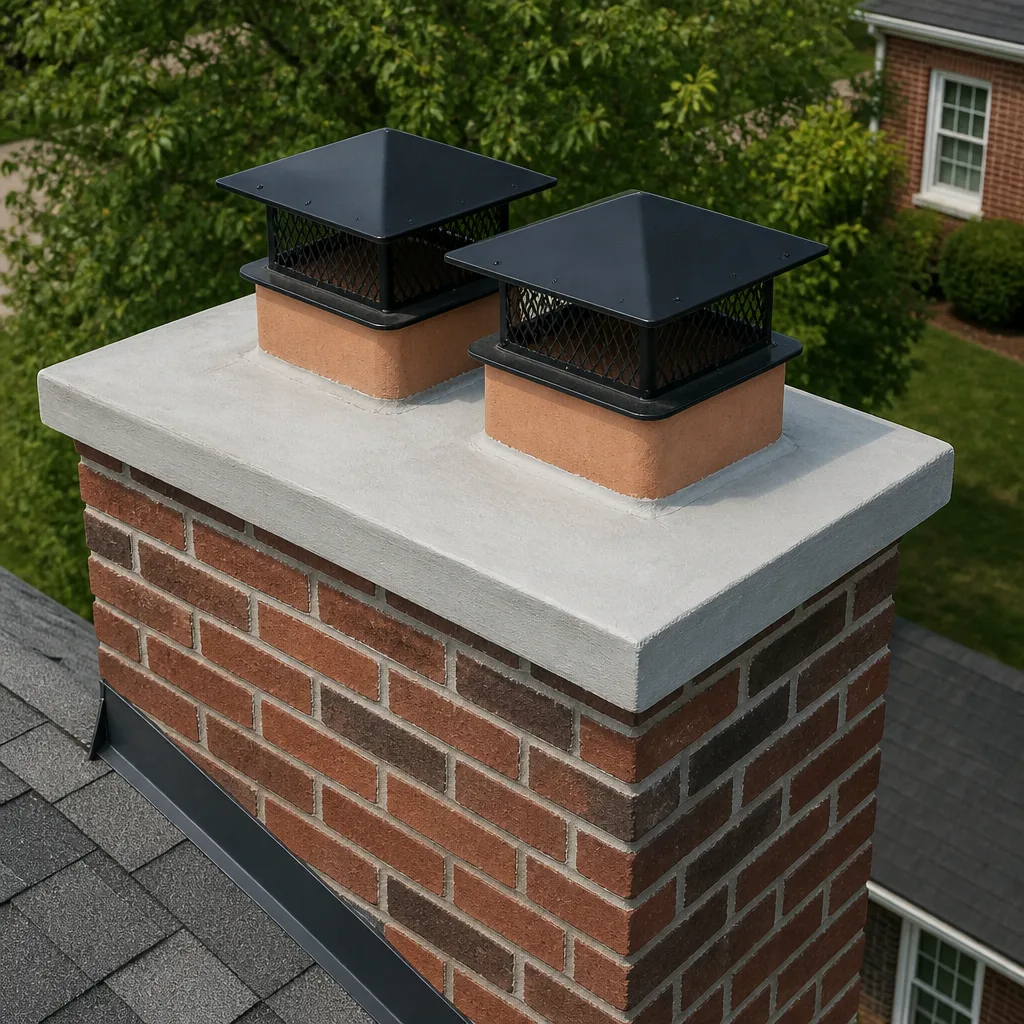 Caps & crowns
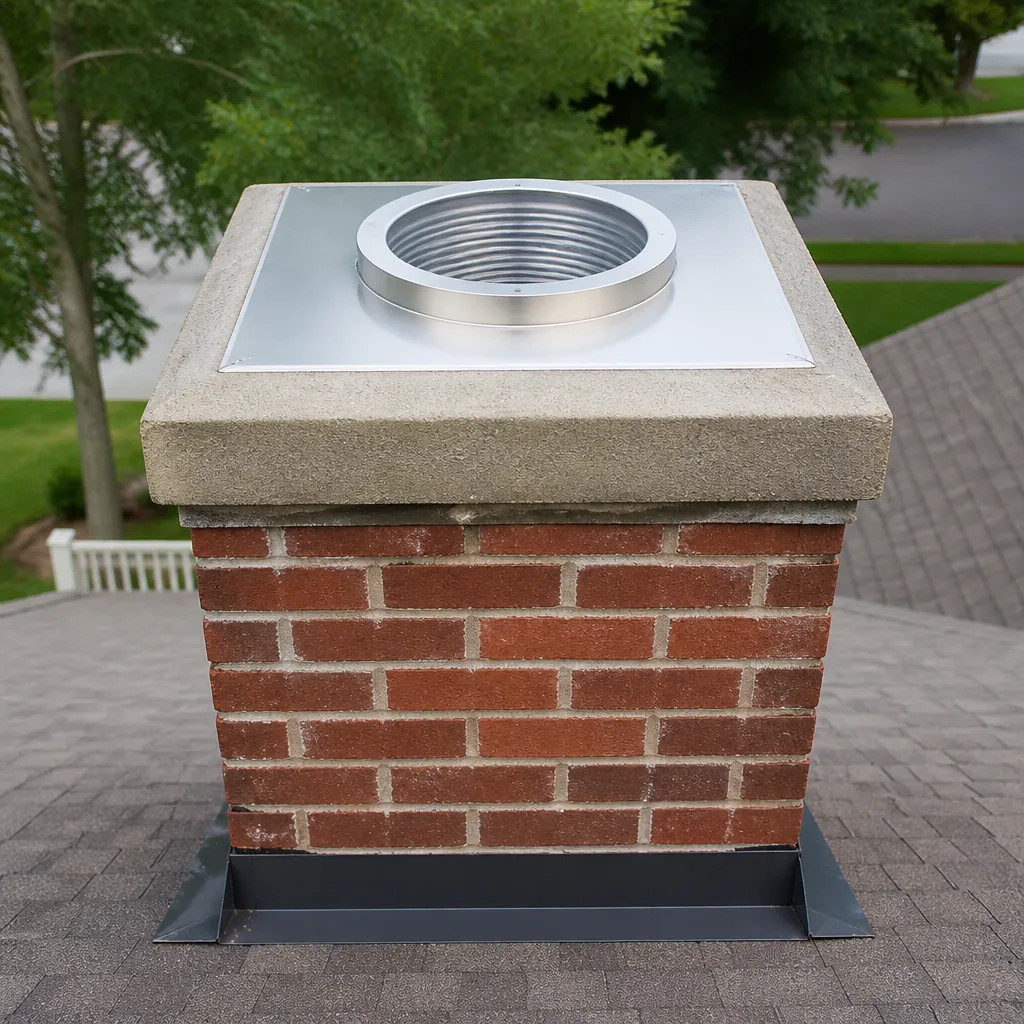 Flue relining
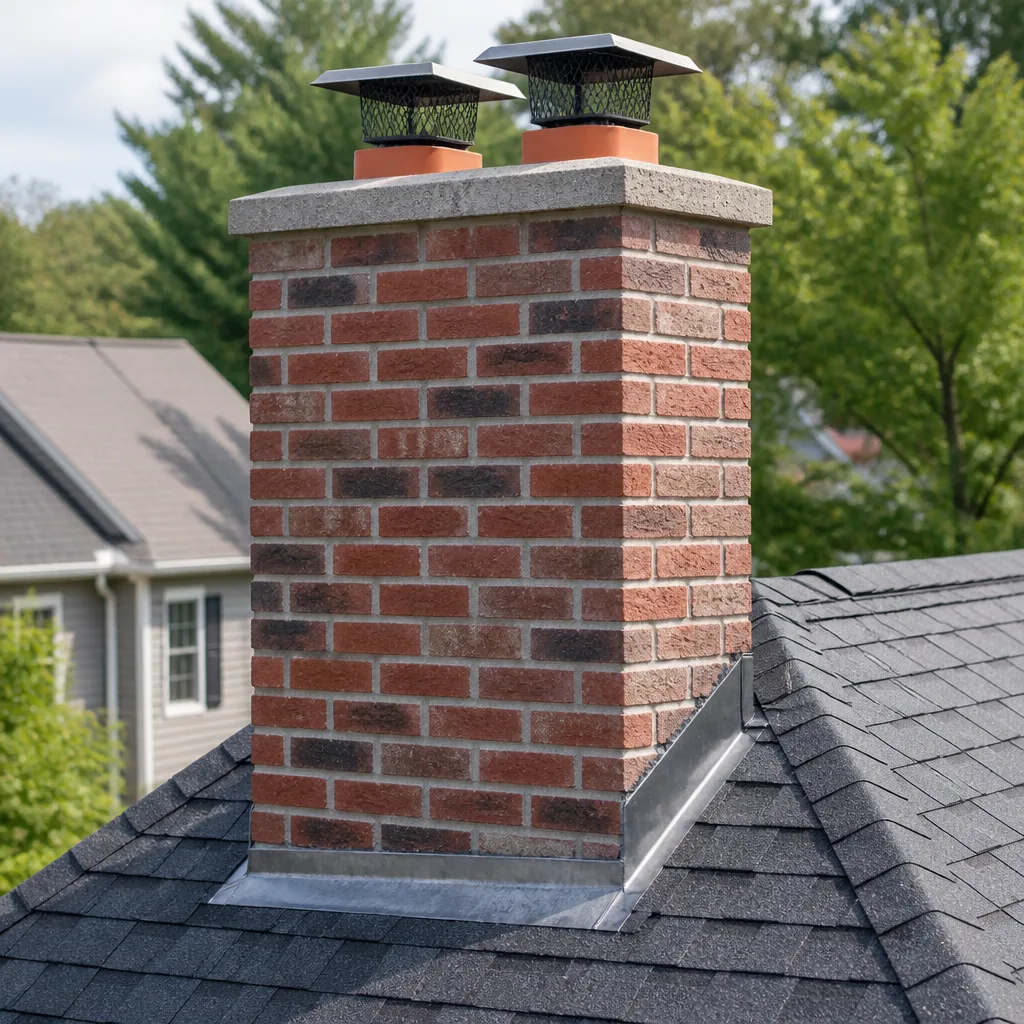 Masonry repair
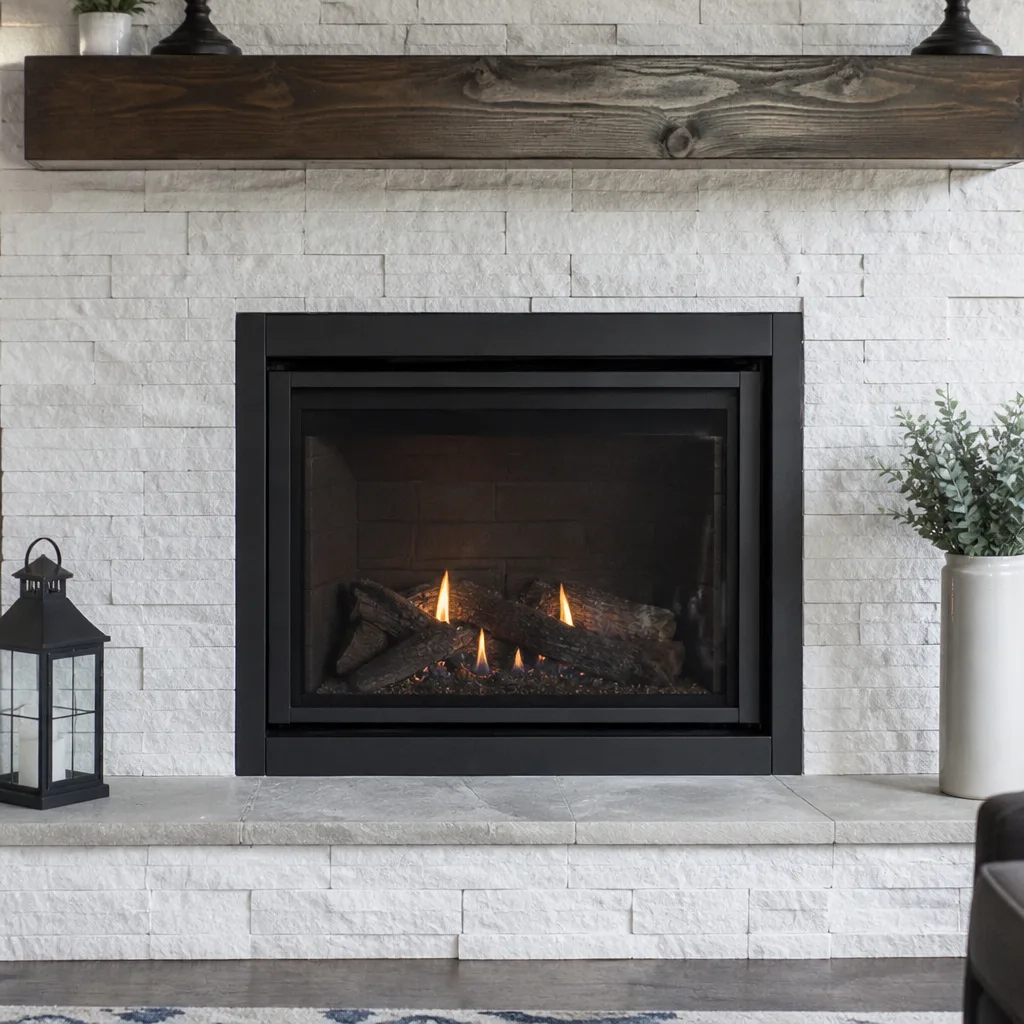 Gas fireplace service
Level 1 sweep and inspection to the NFPA 211 annual standard - flue, crown, cap, and flashing checked and photographed
Chimney sweep logs do not sweep chimneys. They loosen some creosote - which then falls where a brush and vacuum still have to collect it.
Chimney Cleaning Warning Signs: A Vacaville Homeowner’s Reference Guide
Most people picture a chimney fire as a roar with flames at the top of the flue. It often isn’t. A slow-burning fire can creep through a creosote-glazed flue with almost no sound at all, and the only outward clue is a faint tar smell that gets blamed on a neighbor burning yard debris. That’s the trouble with chimney problems: the early signals are small, easy to explain away, and almost never dramatic. By the time the signs are obvious, you’re usually looking at repair work instead of a cleaning. This guide walks through the specific signals a specialist watches for in a Vacaville home, how to sort the harmless from the urgent, and when a call makes sense.
Quick Answer
The main warning signs that a chimney needs cleaning or inspection are a smoky or tar-like smell in the house, smoke rolling back into the room when you light a fire, a weaker draft than usual, soot flakes or debris falling into the firebox, dark staining on the exterior masonry, and a damper that feels stiff or won’t seal. Any one of these is a reason to book an inspection before the next fire. Visible creosote buildup, a strong chemical smell, or smoke that won’t vent at all means stop using the fireplace until a technician has looked at it.
Styles & brands we work with
- Sweep & inspection
- Caps & crowns
- Flue relining
- Masonry repair
- Gas fireplace service
Table of Contents
- The Seven Sensory Signals of a Struggling Chimney
- Smell: The Signal Homeowners Explain Away Most Often
- Smoke Behavior and Draft Changes
- Sound: Normal Settling vs. Active Structural Warning
- White Staining on the Exterior: A Moisture Warning
- Puffback: What Smoke in the Room Actually Tells You
- Debris Falling and Damper Feel
- Watch-and-Wait vs. Stop Using the Fireplace Now
The Seven Sensory Signals of a Struggling Chimney
A chimney gives you seven usable signals, and you can pick up most of them without climbing onto the roof. Think of them as your early warning system: smell, smoke behavior, draft, sound, stain, debris, and damper feel. Each one tells you something different about what’s happening inside the flue or the masonry, which is why a specialist checks all seven rather than just one.
- Smell. A tar or campfire odor inside the house, especially on a mild morning when nothing is burning, points to creosote deposits or a draft reversal. Our technicians have up to 9 years of experience reading that distinction, and it matters, because the fix for each is different.
- Smoke behavior. Smoke that spills into the room on light-up instead of rising cleanly means the flue is blocked, undersized, or fighting negative pressure in the house.
- Draft. A fire that’s harder to start than it used to be, or that smolders instead of catching, suggests reduced flow.
- Sound. Ticking and settling noises in the first minutes of a fire are ordinary. A deep rumble or a flapping sound is not.
- Stain. Dark streaks or white powdery bloom on the outside of the chimney are moisture signals.
- Debris. Soot flakes, pieces of mortar, or flakes of creosote landing in the firebox mean the flue lining is shedding.
- Damper feel. A damper that sticks halfway, grinds, or won’t close fully leaves you without control over your own fire.
Notice that none of these require tools. They’re things you can check with your eyes, nose, and ears over the course of a normal fire. What they won’t do is tell you how much creosote is in the flue, which is why the signals lead to an inspection rather than a diagnosis on their own.
Smell: The Signal Homeowners Explain Away Most Often
A cold chimney that smells of tar or woodsmoke when there’s no fire burning is telling you there’s creosote in the flue, and enough of it to be noticeable. Creosote is the residue left behind when wood smoke cools before it leaves the chimney. In a mild-winter climate like Vacaville’s, that happens more than people expect, because fires get lit on cool evenings, burn at low settings, and get shut down early, all of which sends more unburned material up the flue at a lower temperature.
The outdoor air in Vacaville also plays a part. On still, cool mornings, denser outside air can push down a chimney like a lid, and a house that’s running a bath fan or kitchen exhaust is quietly pulling air out of the living space at the same time. The result is a faint downdraft that carries flue odor into the room. Homeowners often attribute it to a neighbor’s burn pile, a woodstove down the street, or the smell of last night’s fire. Sometimes it is one of those. When the smell returns on a schedule, though, and especially when it shows up in a room with a fireplace that hasn’t been used in a week, that’s creosote or a draft problem, not the neighbors.
There’s a second smell worth knowing: a sharp, almost chemical odor during or just after a fire. That’s a signal to stop and get the flue looked at, because it can point to a chimney fire that burned hot and slow inside the flue without ever showing flames at the top.
If the smell comes back after a cleaning, don’t assume the cleaning failed. Draft problems, flue sizing, and pressure imbalances in a tightly built house can reproduce the same odor, and they’re diagnosed with a camera inspection rather than a brush.
Smoke Behavior and Draft Changes
Draft is the chimney’s job. Hot smoke should rise steadily out of the firebox and up the flue, and when that changes, the change is usually gradual enough that you only notice it in comparison. The useful question isn’t “is there smoke?” but “is the smoke behaving the way it did last season?”
Watch for these patterns:
- Smoke that lingers at the top of the firebox before drifting up, rather than rising immediately.
- A fire that’s slow to catch even with dry wood and an opened damper.
- Smoke pulled toward the room when you open the firebox door to add wood.
- Ash or soot collecting on the fireplace face above the opening.
- Draft that’s fine on one day and poor on another with no change in the wood you’re burning.
Some of this is weather. Warm days in Vacaville can weaken draft because the temperature difference between the flue and the outside air is smaller. Wind against the chimney top can push smoke back down. But a partial blockage makes all of that worse, and a partial blockage is exactly what an inspection finds. A bird’s nest, a cracked liner tile that’s shifted, or a heavy creosote layer all reduce the flue’s effective opening without producing any visible sign from the living room.
One more thing worth knowing: a house that’s had windows replaced, insulation added, or a new range hood installed can develop a draft problem that has nothing to do with the chimney’s condition. The flue is fine, but the house is now pulling harder on it. A camera inspection and a pressure check separate those two cases, and the fix is very different depending on which one you have.
Sound: Normal Settling vs. Active Structural Warning
Chimneys make noise. Metal flue components expand as they heat, masonry ticks as it warms, and a damper plate can tap gently in a draft. Those sounds are ordinary and usually stop within the first ten or fifteen minutes of a fire. The sounds that matter are the ones that don’t fit that pattern.
Sounds that are usually normal
- A light ticking or pinging in the first minutes of a fire as metal heats and expands.
- A soft rush of air at the firebox opening when the fire is drawing well.
- Occasional creaks from the firebox or hearth as masonry warms slowly.
Sounds worth investigating
- A low, sustained rumble during a hot fire. That’s the sound of a chimney fire drawing hard, not a normal burn.
- A flapping or roaring noise that seems to come from the flue rather than the firebox.
- Crumbling or sliding sounds inside the chimney, which can mean mortar or liner material is coming loose.
- Repeated popping from inside the wall or chase, which is not a sound wood makes.
A rumble during a fire is the one to treat as urgent. Chimney fires can burn at very high temperatures inside a flue and damage the liner without ever breaking through to the outside. If you hear it, get everyone out, call the fire department if there’s any sign of fire outside the chimney, and don’t light another fire until the flue has been inspected.
The structural question underneath all of this is simple: is the sound coming from something that’s supposed to move, like a damper or a flue component, or from something that’s supposed to stay put, like masonry and liner? Anything in the second category gets a professional look.
White Staining on the Exterior: A Moisture Warning
White, powdery staining on the outside of a brick chimney is called efflorescence, and it isn’t a cosmetic issue. It’s salt drawn to the surface by water moving through the masonry, and it means the chimney is taking on moisture somewhere. Dark staining is a different signal, usually soot or creosote that’s escaped through a crack or a failed joint in the flue.
Either stain tells you water or combustion byproducts are getting into the masonry where they don’t belong. In Vacaville’s climate, the moisture source is usually rain driven against the chimney from a particular direction, a missing or deteriorated chimney cap, a crown that’s cracked, or flashing at the roofline that’s no longer sealed. None of those involve snow or a hard freeze; a wet winter and a few windy storms are enough.
Why it matters: masonry that stays damp breaks down faster. Mortar joints soften, brick faces spall, and in a chimney, that deterioration can eventually affect the flue liner. A stained chimney that’s otherwise sound is often a straightforward repair, typically a crown rebuild, cap replacement, or masonry resurfacing. Left alone across several seasons, the same moisture can turn a small repair into a rebuild.
If you see staining, do the simple check first: look at the chimney top from the ground for a cap, and look at the roofline for gaps in the flashing. Then get an inspection that includes the flue, because exterior moisture and interior liner damage often travel together. Our chimney repair service covers the masonry side and the liner side in one visit, since they’re usually the same job.
Puffback: What Smoke in the Room Actually Tells You
Puffback is the term for smoke that puffs into the room when a fire is lit, instead of drawing up the flue. It’s one of the most useful warning signs a homeowner has, because it’s visible, immediate, and it points at two specific causes.
The first cause is a blockage. If the flue is restricted by creosote, a nest, leaves, or a collapsed liner section, the smoke has nowhere to go but out the front of the firebox. The second cause is negative pressure: the house is drawing air from somewhere, and the chimney’s flue becomes the easiest path for that air to come down rather than go up. A kitchen exhaust fan, a bathroom fan, a dryer, or a second fireplace all compete for the same air, and a tightly sealed house makes it worse.
You can often tell which one you’re dealing with by timing. A puffback that happens every time, regardless of weather or what else is running in the house, points toward a blockage. A puffback that happens only when the range hood is on, or on windy days, points toward pressure. Neither diagnosis is a do-it-yourself fix, but knowing which pattern you’re seeing helps the technician.
Treat repeated puffback as a stop-and-check signal. It means smoke is entering the living space, and smoke carries combustion byproducts you don’t want to be breathing. The same goes for a fire that won’t stay lit or a firebox that fills with smoke and then stalls. If you’re seeing this in a Vacaville home, the next step is a camera inspection of the flue. That’s the only way to see what’s actually inside it, and we don’t recommend liner work without it.
Debris Falling and Damper Feel
Debris in the firebox is easy to misread. A few flakes of soot after a windy night are normal. Larger pieces, grit that feels like sand, or flakes that look like black glass are not, because those come from the flue itself rather than from the fire.
- Soot flakes: usually ordinary, especially after a draft-heavy day.
- Sand-like grit: often mortar, which points to joint deterioration.
- Black, shiny flakes: creosote that’s broken off the flue wall, which means there’s a layer thick enough to fail.
- Pieces of liner tile: a direct sign of liner damage and a reason to stop using the fireplace.
- Nesting material: a sign the flue has had animal traffic and needs a full inspection before the next fire.
The damper is your other hands-on check. Open and close it before you light a fire and notice how it feels. A damper that moves freely and seats fully is doing its job. One that grinds, sticks, hangs up, or won’t close all the way is a control problem: you lose the ability to regulate the fire and to shut the flue down at the end of the night. A stuck-open damper also lets heated air out of the house in the off season and lets cold air in.
Damper repairs are usually straightforward, and they’re worth handling before they become a reason the fireplace sits unused for a season. A damper that won’t seal is also a useful early clue that the firebox assembly is getting worn, which is the kind of thing an inspection catches while it’s still small.
Watch-and-Wait vs. Stop Using the Fireplace Now
Not every warning sign is an emergency, and treating them all that way leads homeowners to ignore the whole list. Sorting them into two groups is the practical skill, and it’s the one we use on every inspection.
Watch and wait until the next inspection
- A light smoke smell on cool mornings that clears once a fire is drawing.
- Occasional soot flakes with no other symptoms.
- A draft that’s weaker on warm days but fine on cold ones.
- Slight ticking or settling sounds at the start of a fire.
- A damper that’s a bit stiff but still opens and closes fully.
- Faint white staining with no other signs of damage.
Stop using the fireplace now
- Any rumble, roar, or flapping sound during a fire.
- Smoke that repeatedly puffs into the room on ignition.
- Liner tile fragments or shiny black creosote flakes in the firebox.
- A visible crack in the firebox masonry, or gaps in the flue seen from the firebox.
- A strong chemical or tar smell that doesn’t clear.
- A damper that won’t open, or a firebox that fills with smoke and won’t draw at all.
The reason the second list is short and firm is carbon monoxide. A damaged flue can let combustion gases into the house instead of up and out, and carbon monoxide gives you no warning of its own, which is why the chimney signs are the warning. The same goes for chimney fires: a slow one can damage a liner and leave the flue unsafe with nothing visible from the outside. Those are the situations where a professional look comes before the next fire, not after the season. We work with Chimney Sweep Vacaville homeowners on exactly this question, and we’ll tell you plainly when work can wait.
Common Mistakes to Avoid
- Burning wet wood to “use up” a cord. Unseasoned wood sends more creosote up the flue, and in a mild climate where fires burn cool, that layer builds faster than most people expect. Buy dry wood and store it covered.
- Assuming a mild winter means a low-risk chimney. Vacaville’s short, cool burn season encourages low, slow, smoldering fires, which deposit more creosote than a hot fire does. Frequency of use matters less than how the fire burns.
- Painting over exterior staining. Paint traps moisture in the brick and makes the efflorescence worse. The stain is a symptom; the cause is water getting in, and that has to be fixed first.
- Cleaning the firebox and calling it a sweep. The firebox is the part you can see. Creosote accumulates in the flue, which is the part you can’t, and it’s the flue that carries the fire risk.
- Ignoring a stiff damper until it seizes. A damper that’s hard to move now is a simple repair. Left alone, it can become a reason the fireplace doesn’t work at all.
- Lighting a test fire to “see if it’s fine.” If you’re seeing liner fragments, hearing a rumble, or getting repeated puffback, a test fire is the one thing not to do. Get it inspected cold.
- Using a general handyman for liner work. Chimney repair involves materials and techniques specific to the trade. A specialist who works with professional-grade systems such as HeatShield and DuraFlex can resurface and reline; a generalist often stops at cleaning.
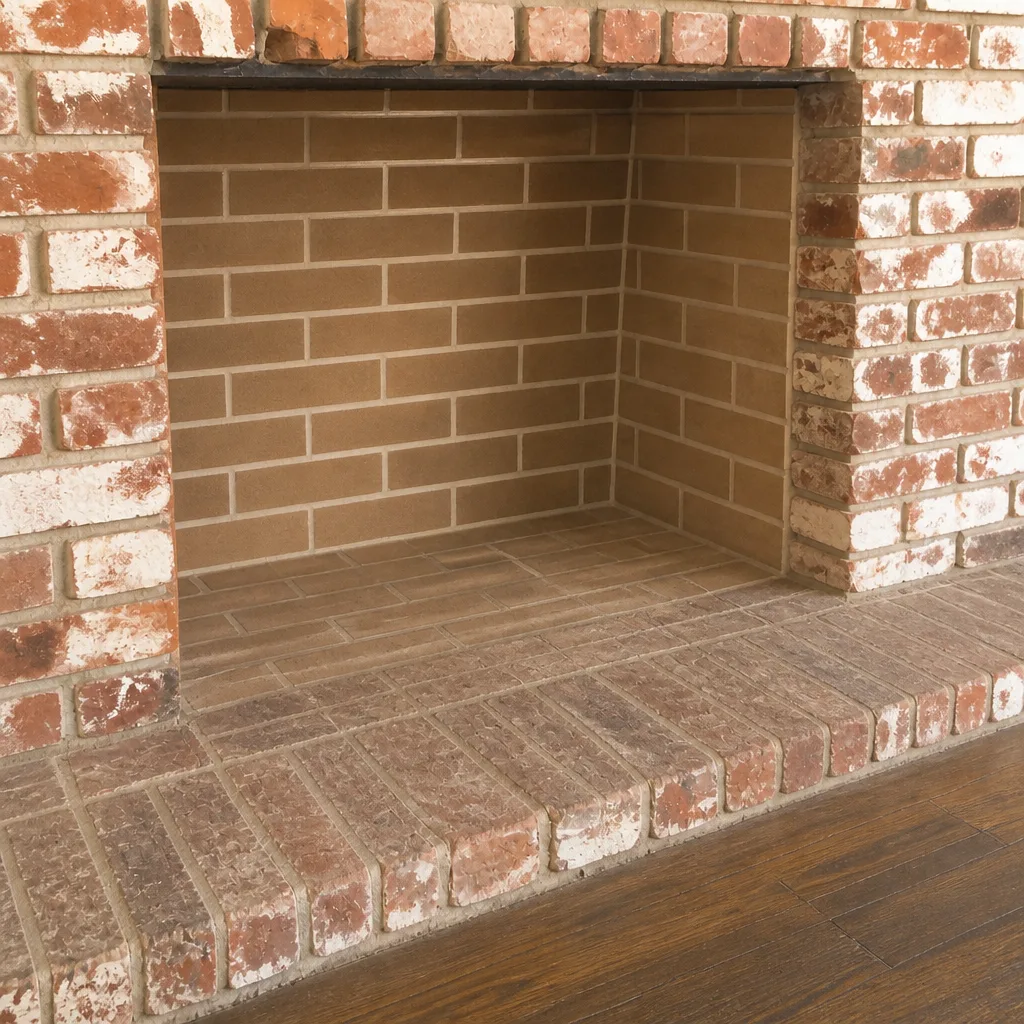
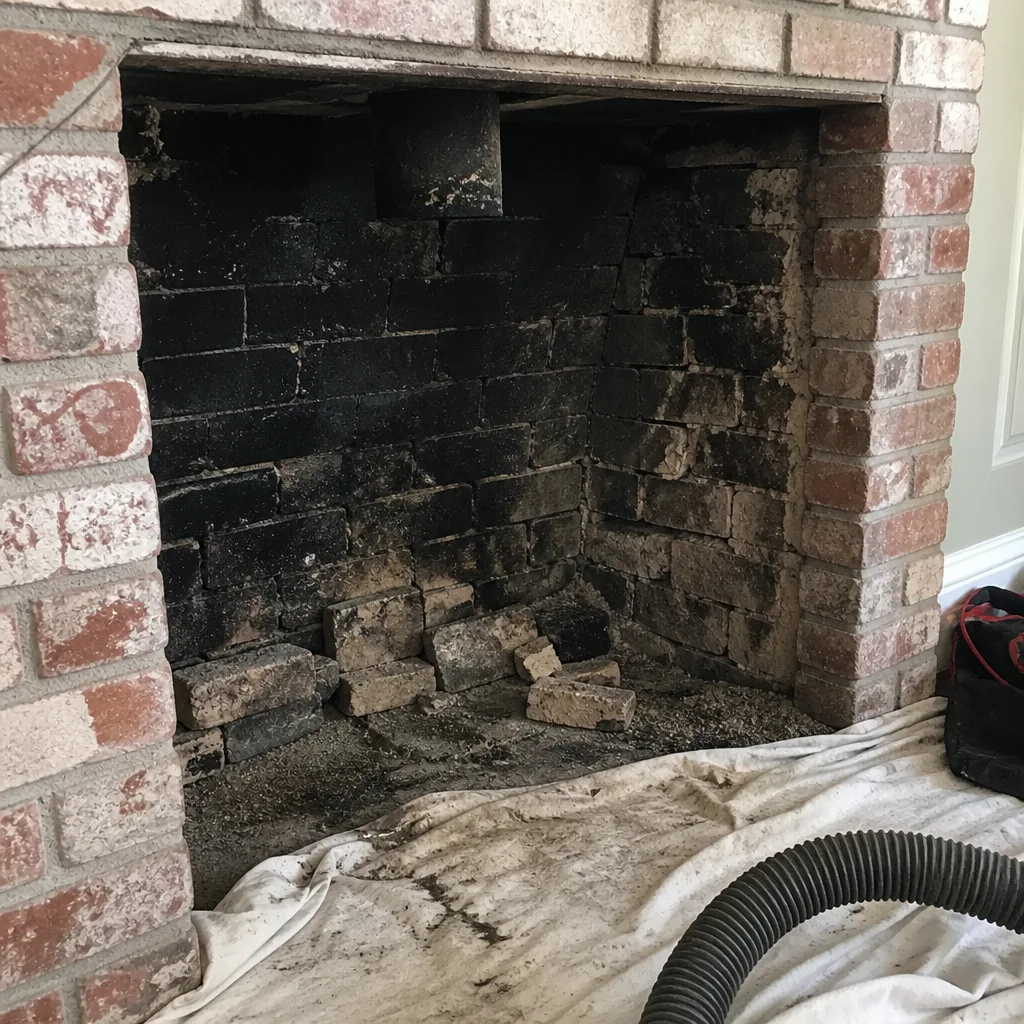
See the difference
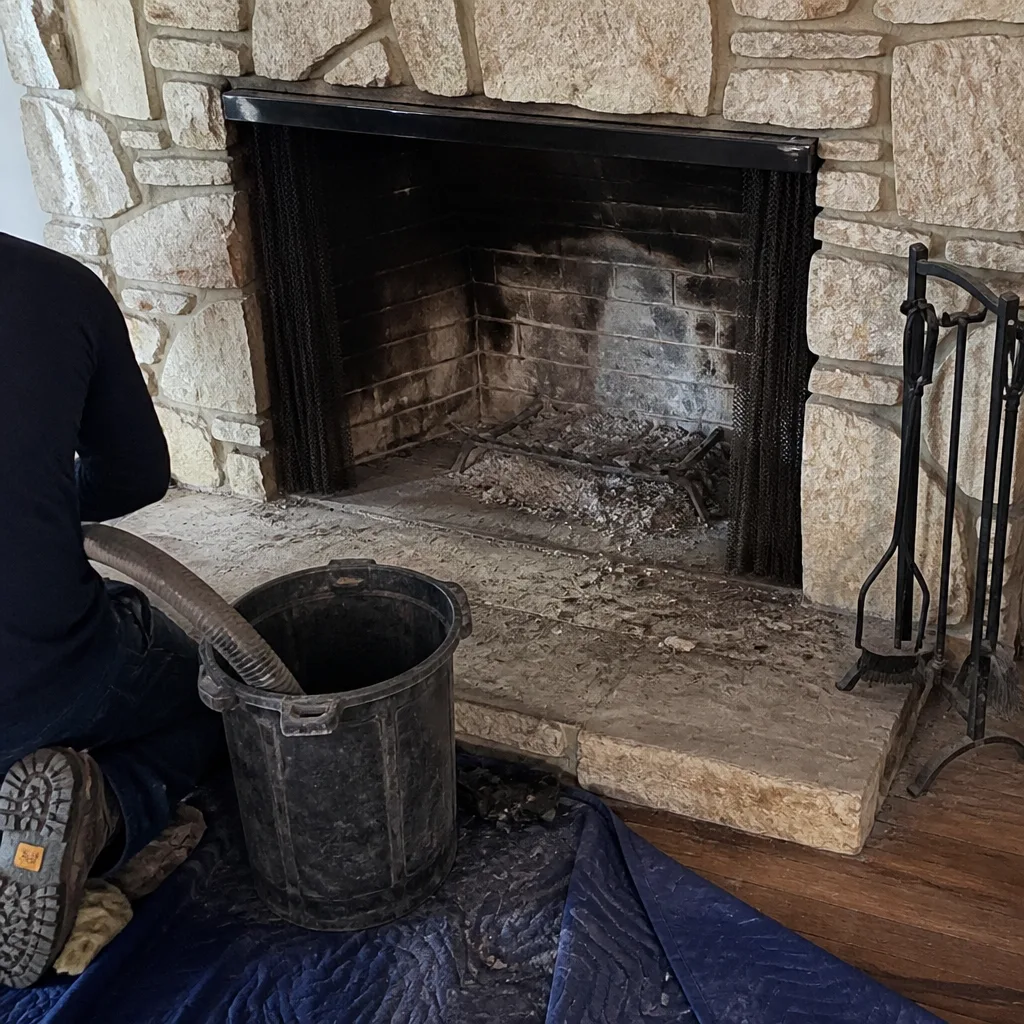 Before
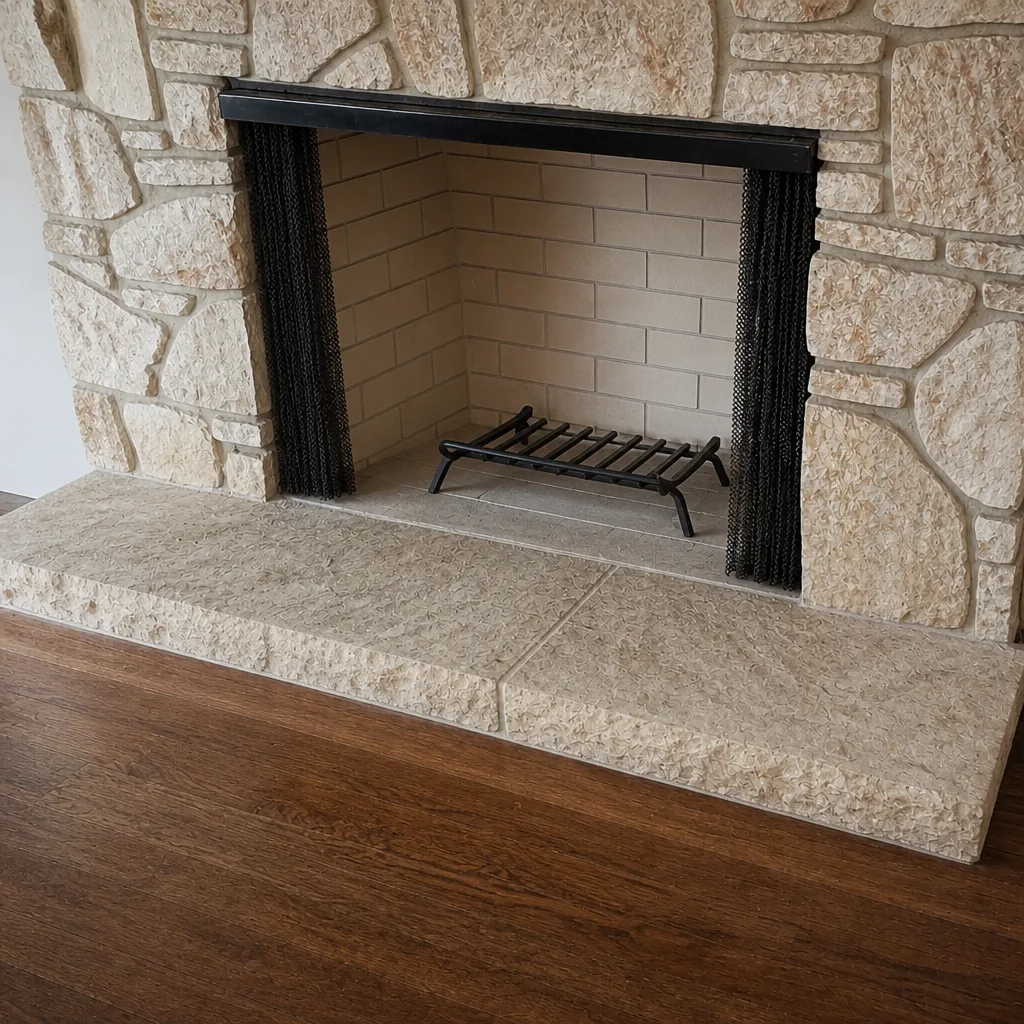 After
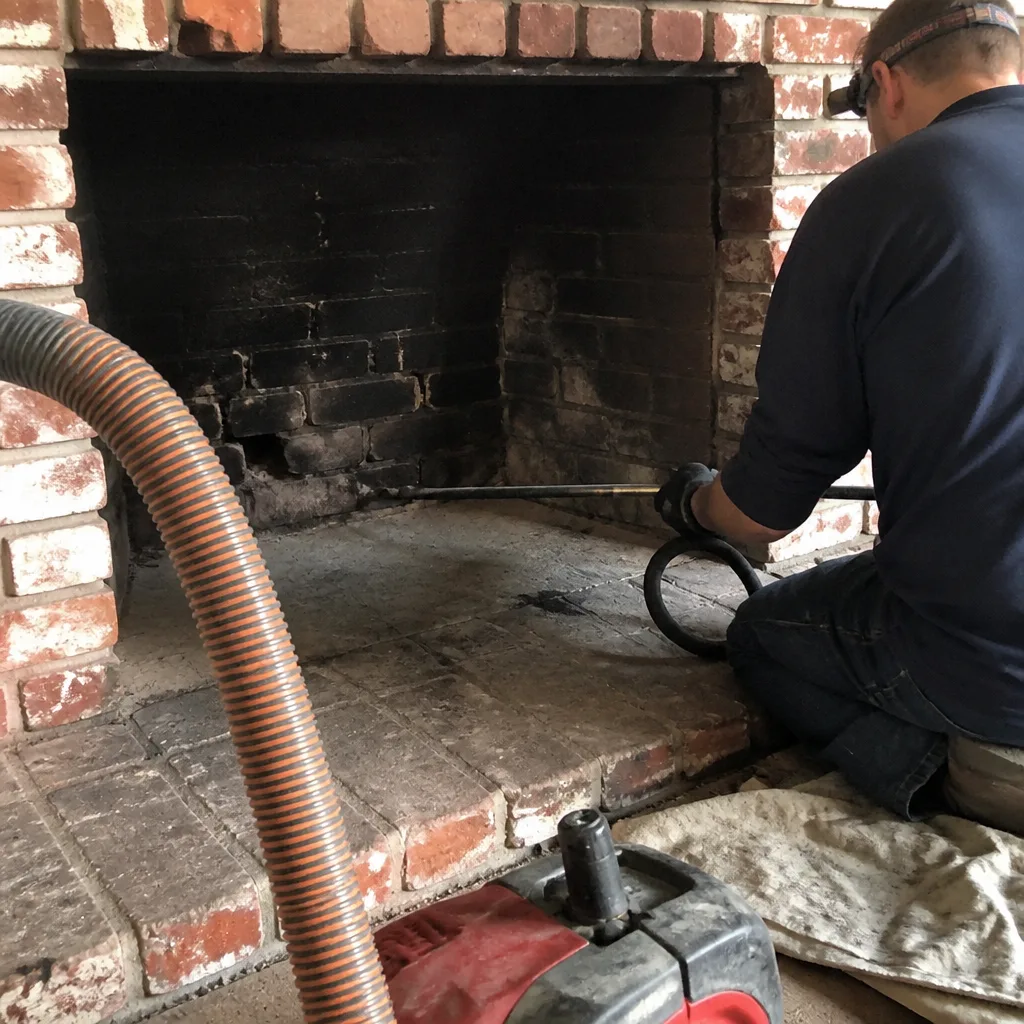 Before
 After
 Before
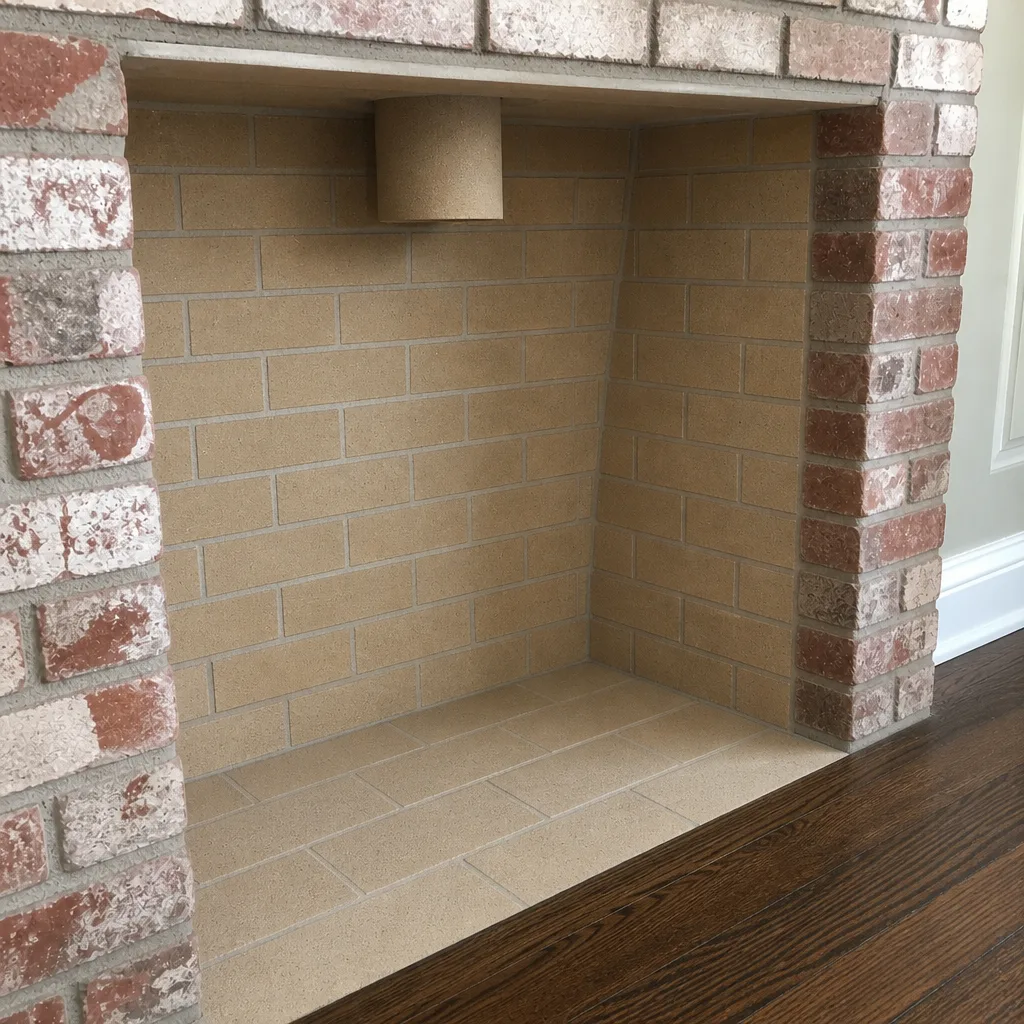 After
When to Call a Professional
Call a chimney professional when any sign on the “stop using the fireplace now” list shows up, when your last cleaning was more than a season of regular burning ago, or when you’re buying or selling a home in Vacaville and need an inspection for the transaction or for insurance documentation. Call when you see staining on the exterior, when a damper or firebox needs repair, or when you simply don’t know the condition of the flue and want to find out before the next fire. A sweep, an inspection, and repair are three different jobs, and a chimney-only specialist handles all three, which saves you from coordinating between contractors. Chimney Sweep Vacaville offers free estimates in Vacaville. Call (844) 797-8347. We answer 24/7. Fast dispatch from 7am to 7pm, Sunday through Friday, and we’re closed Saturday.
Frequently Asked Questions
You need a cleaning when you see or smell creosote, when soot or debris is falling into the firebox, or when your last sweep was more than a season of regular burning ago. A camera inspection is the only reliable way to know how much buildup is in the flue, since the firebox looks the same either way. Call (844) 797-8347 for a free estimate.
White staining means moisture is moving through the masonry and leaving salt deposits on the surface. It’s a water problem, not a cosmetic one, and it usually traces to a failed cap, crown, or flashing. Left alone, damp masonry deteriorates and can eventually affect the flue liner. Call us for an inspection before the next rainy season.
Yes, repeated smoke in the room is a stop-and-check signal, because it means combustion byproducts are entering your living space. It points to a blocked flue or to negative pressure in the house, and both need a professional look before the next fire. Call (844) 797-8347 for an exact quote. Estimates are free.
Most wood-burning chimneys in Vacaville should be inspected once a year and swept when the inspection shows buildup. A mild climate doesn’t remove the need for an annual look, since short, cool fires deposit creosote too. Gas inserts and older masonry chimneys have their own inspection needs, which a technician can walk you through. Call (844) 797-8347 to book a sweep.
Ticking and creaking in the first minutes of a fire come from materials expanding as they warm, and they’re normal. A low rumble, a roar, flapping, or repeated popping from inside the chimney are not normal, and a rumble in particular should be treated as a possible chimney fire. Get the flue inspected before lighting another fire. Call us for a free estimate.
We don’t recommend it, and not because of the soot. The real difficulty is that you can’t see what the brush is doing, and the damage that matters, like cracked liner tiles or failed joints, is invisible from the firebox. A camera inspection shows you what’s inside your flue before the next fire. Our technicians have up to 9 years of experience, and we’re happy to walk you through the findings. Call (844) 797-8347.
The Bottom Line
The signals that a chimney needs attention are quiet ones: a smell, a change in draft, a sound that doesn’t fit, a stain you’d otherwise paint over. Read them early and most chimney work stays in the cleaning and small-repair range. Ignore them and the same issues turn into liner and masonry work. Watch all seven sensory signals after each fire, keep the “stop using the fireplace now” list somewhere you’ll remember, and get an annual inspection so somebody with a camera confirms what’s actually in the flue. If you’re in Vacaville and something on this list sounds familiar, get it looked at before the next fire.
Chimney Sweep Vacaville handles sweeping, repair, and inspection as a chimney-only specialist. We work with professional-grade systems including HeatShield and DuraFlex for resurfacing and relining, and we don’t recommend liner work without camera evidence you can see for yourself. Call (844) 797-8347 for a free estimate. We answer 24/7, with fast dispatch from 7am to 7pm, Sunday through Friday, and we’re closed Saturday. Our chimney sweep and inspection visits are booked ahead, so the best time to call is before burning season rather than after.
Written by the team at Chimney Sweep Vacaville.