
Last updated November 16, 2026
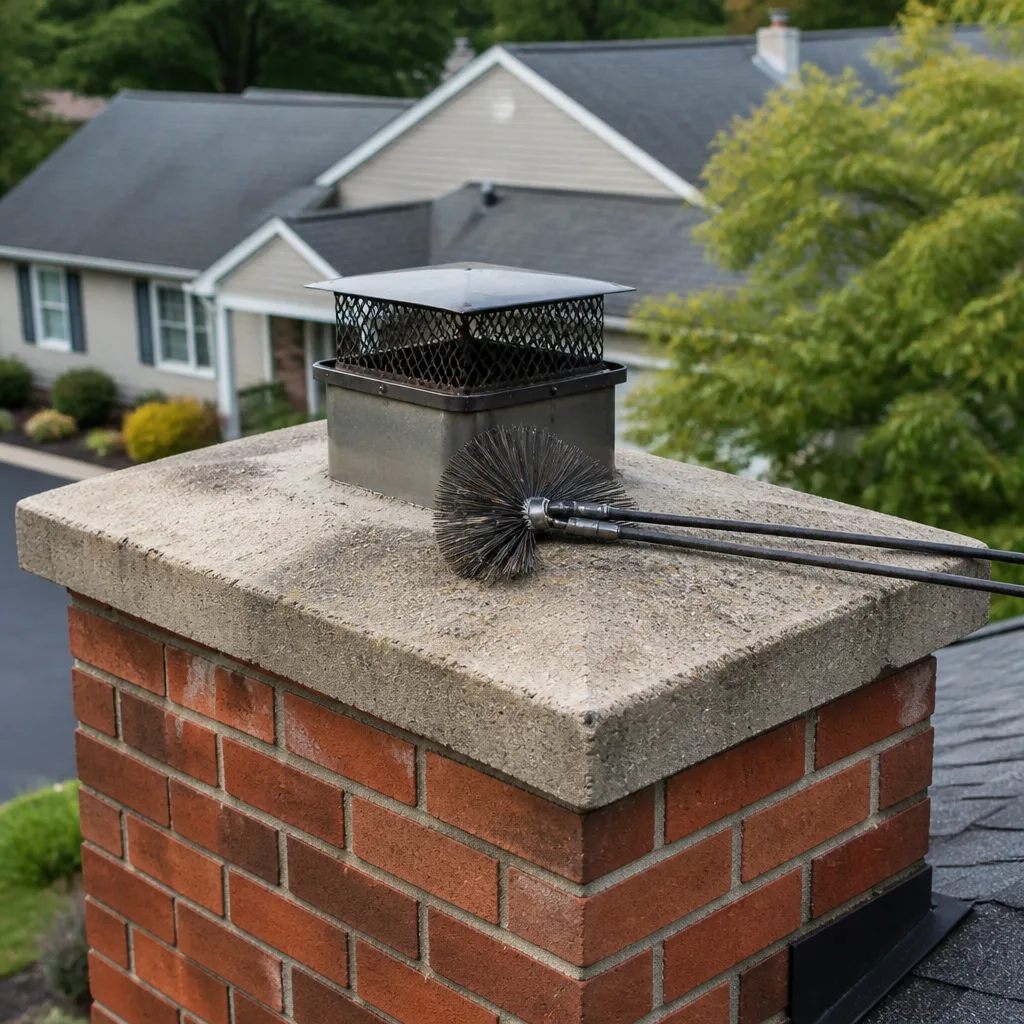 Sweep & inspection
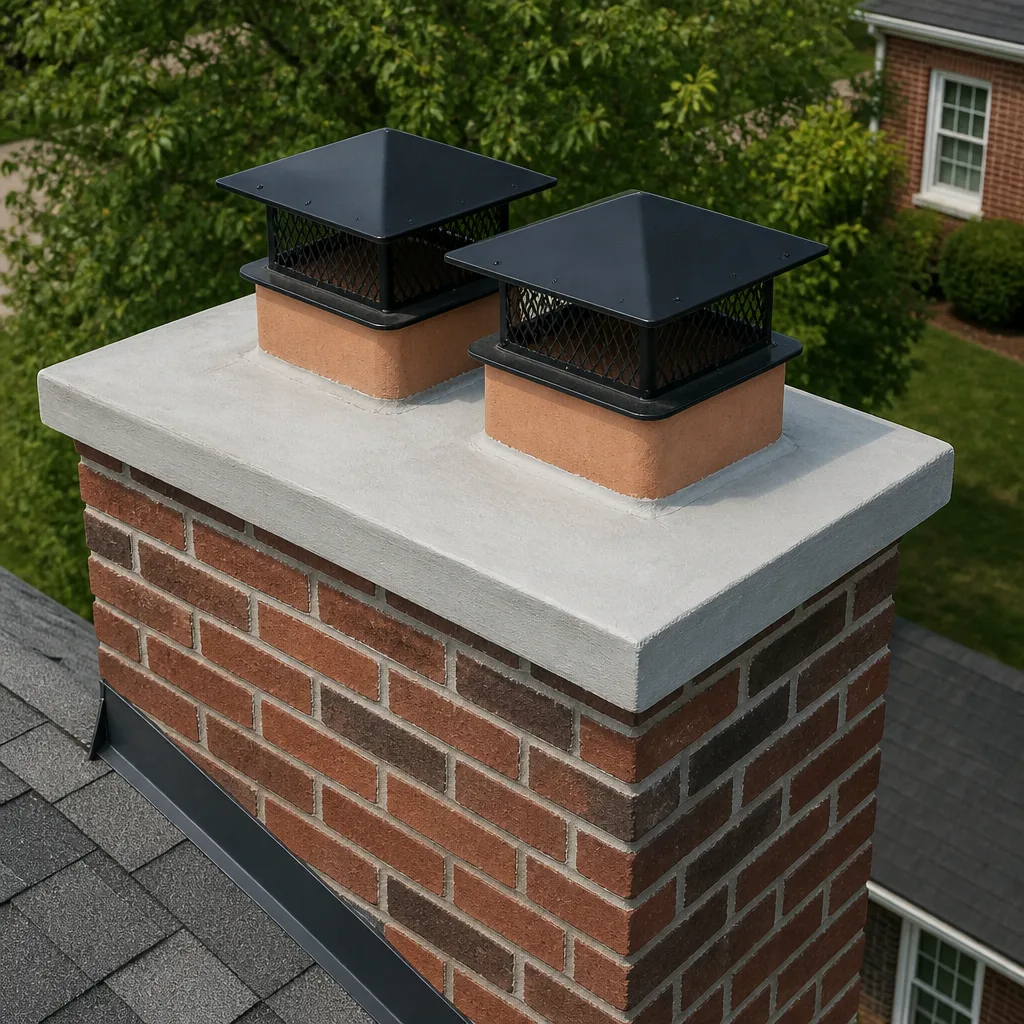 Caps & crowns
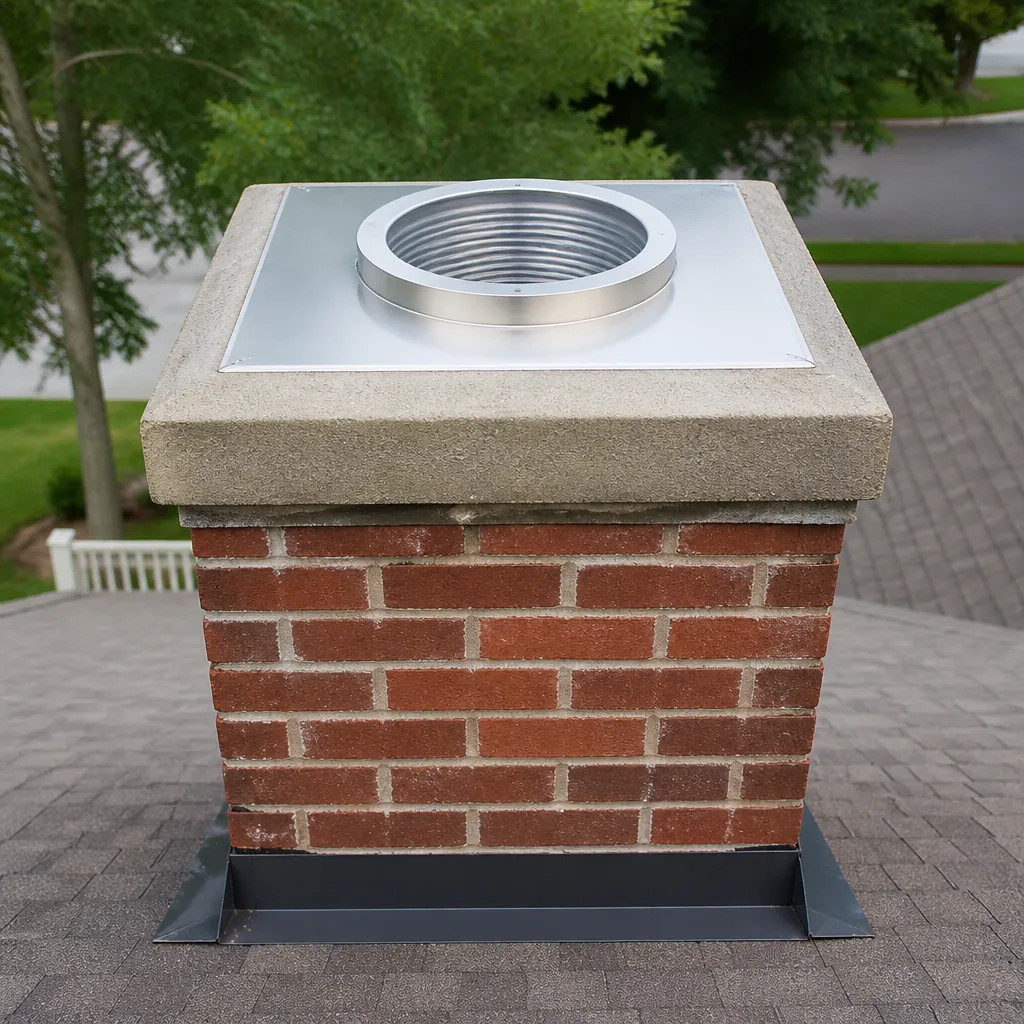 Flue relining
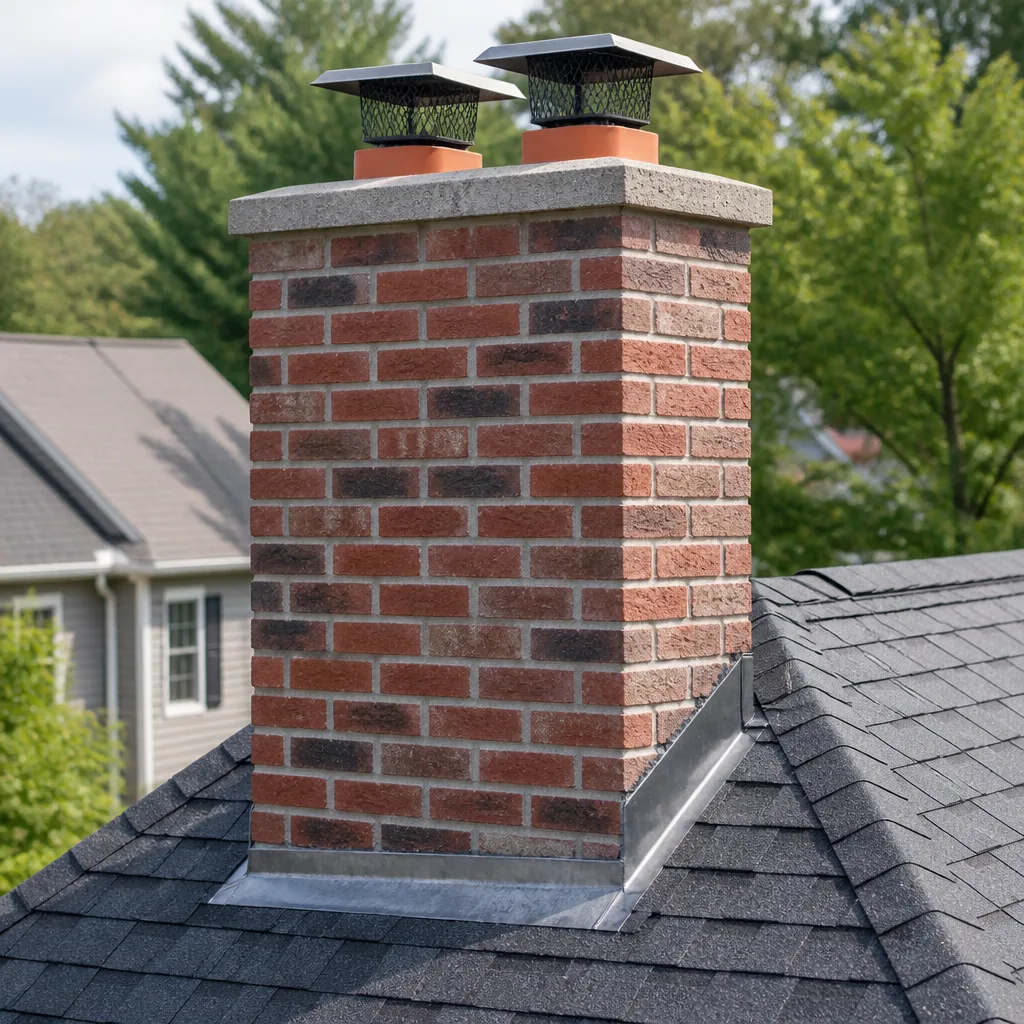 Masonry repair
 Gas fireplace service
Level 1 sweep and inspection to the NFPA 211 annual standard - flue, crown, cap, and flashing checked and photographed
Chimney sweep logs do not sweep chimneys. They loosen some creosote - which then falls where a brush and vacuum still have to collect it.
DIY vs Professional Chimney Cleaning: The Vacaville Homeowner’s Decision Guide
That $60 brush-and-rod kit on the shelf will clean soot. It won’t touch glazed creosote, it won’t tell you what’s happening in the top third of your flue, and it can leave a homeowner with a clean-looking firebox and a very real hazard still coating the chimney walls. That’s the part most DIY advice skips. The truth is, brushing your own chimney is physically possible, and for some Vacaville homeowners in some situations it’s genuinely reasonable. But the decision shouldn’t come down to the price of a kit. It should come down to what you can see, what you can’t, and what missing something actually costs you. This guide gives you an honest framework for making that call without the fear-selling.
Quick Answer
DIY chimney cleaning is reasonable only for a lightly used fireplace with dry, seasoned wood, no glazed creosote, and a recent professional inspection that confirmed the flue is sound. Professional cleaning is the safer call whenever there’s glazed creosote, a masonry chimney with any history of damage, a liner of unknown condition, a change in how the fireplace burns, or no record of the last proper inspection. The brush handles soot; the camera and the rotary system handle everything that actually damages a chimney.
Styles & brands we work with
- Sweep & inspection
- Caps & crowns
- Flue relining
- Masonry repair
- Gas fireplace service
Table of Contents
- What a Brush-and-Rod Kit Can and Cannot Do
- The Creosote Problem: Why Soot Is Not the Real Hazard
- The Blind Spot: Why the Top Third of the Flue Matters
- What Professional Rotary Cleaning Removes That Brushing Leaves Behind
- When DIY Is Genuinely Reasonable
- When DIY Is Genuinely Unsafe
- The Decision Matrix: Four Questions That Settle It
- How This Plays Out in Vacaville Homes
What a Brush-and-Rod Kit Can and Cannot Do
A brush-and-rod kit is a simple tool with a narrow job. Understanding that job is the whole foundation of an honest DIY decision.
What a brush kit does well: it knocks loose soot off the flue walls, it clears light powdery deposits from a flue that’s been swept regularly, and it removes the fluffy stage-one creosote that builds up in a fireplace burning dry wood efficiently. On a straight, accessible flue in good condition, a careful homeowner with the right brush size can get the flue noticeably cleaner than it was.
What it cannot do is just as important:
- Remove glazed creosote. Once creosote hardens into a shiny, tar-like glaze, a nylon or poly brush skates over it. It needs mechanical action that a hand brush can’t produce.
- Reach the top of the flue reliably. Most kits don’t extend far enough for the full run on a two-story chimney, and the top section is where deposits concentrate.
- Inspect the liner. A brush tells you nothing about cracks, gaps, spalling, or a liner that’s come apart at a joint.
- Show you the result. Without a flue camera, you’re working blind past the first few feet.
- Handle offsets and dampers. Many chimneys have an offset or a damper assembly that blocks a straight rod, and forcing a brush past them can damage the flue or the damper.
If you read that list and think “so it cleans the easy part and misses the hard part,” you have the honest summary. The brush solves the visible problem and leaves the invisible one untouched.
The Creosote Problem: Why Soot Is Not the Real Hazard
Soot is the friendly version of chimney residue. It’s soft, dark, and annoying. Creosote is the one that matters, and it comes in three stages that behave very differently.
- Stage one: powdery and flaky. This is what a brush handles well. It builds up from normal wood burning and comes off with routine sweeping.
- Stage two: crusty and brittle. It clings harder and starts to bond to the flue walls. A brush gets some of it, but leaves the bonded layer behind.
- Stage three: glazed and tar-like. This is the one that fuels chimney fires. It’s dense, sticky when warm, and hard as glass when cool. A hand brush won’t remove it. It needs a rotary system and the right technique.
Every chimney fire starts with an ignition source and enough fuel. Creosote is that fuel. The honest and non-alarmist version of this is simple: a homeowner who brushes off the soot and leaves the glaze behind has done the easy half and walked away from the half that actually matters. That’s not a scare tactic. It’s what the three stages mean mechanically.
We see this in Vacaville regularly. A fireplace that burns damp wood or runs with a choked damper for a few seasons builds stage-two and stage-three creosote faster than the homeowner expects. A brush kit and a Saturday afternoon won’t get through it. A professional rotary sweep will. The difference isn’t skill. It’s the tool and the camera that shows whether the job is actually finished.
The Blind Spot: Why the Top Third of the Flue Matters
Most homeowners judge their chimney from the firebox. They look up, see darkness or a bit of soot, and assume the rest of the flue looks similar. It rarely does.
Deposits behave differently up high. Smoke cools as it rises, and the cooler smoke condenses into creosote on the flue walls near the top. That means the highest section of the flue is often the dirtiest and the most likely to hold glazed creosote. It’s also the section no homeowner can see with a flashlight from below. And it’s the section closest to the roof, where a masonry chimney picks up moisture intrusion, cracked crowns, and gaps around the flue tile.
So the top of the flue is usually where two problems meet: the heaviest deposits and the most external wear. A visual inspection from the firebox misses both. The result is a homeowner who believes the chimney is clean and sound because the part they can see looks fine.
This is where inspection earns its place. An inspection looks at the flue from the firebox up, from the top down, and with a camera when needed. It shows you what’s actually inside the flue before the next fire. If we’re honest about the parts of a chimney that cause real trouble, the top third is almost always where the surprises live. That’s the argument for professional eyes, not against DIY cleaning.
What Professional Rotary Cleaning Removes That Brushing Leaves Behind
A professional sweep isn’t a bigger version of your brush kit. It’s a different method, and the difference is the whole point.
Rotary cleaning uses a spinning head on a flexible rod. The head contacts the flue walls with controlled force and scrapes off what a hand brush can’t reach or can’t dislodge. That includes:
- Stage-two and stage-three creosote. The rigid contact breaks the bond that hand brushing skips over.
- Ironically, thin glaze at the top of the flue. The top section isn’t just dirtier. It’s often harder to reach, and the rotary head handles that run properly.
- Deposits at offsets and joints. Where a straight rod gets stuck, a rotary system works through with the right technique.
- The full flue, end to end, confirmed by camera. That’s the difference between “we cleaned it” and “we can show you it’s clean.”
We work with professional-grade materials and equipment, including systems from HeatShield, DuraFlex, Gelco, Olympia Chimney, and Famco, but the tool is only half of it. The other half is the camera inspection and the photo report that come with the job. A homeowner can see what we saw, and that changes the conversation about what’s actually needed. Nothing gets recommended without evidence. If the flue just needs a sweep and nothing else, that’s what the report shows. If it needs a repair or a reline, the photo report shows why.
This is also where the scope difference shows up. A rotary sweep can tell the difference between a dirty flue and a damaged one, because the inspection is part of the same visit. Hand brushing can’t tell the difference because it never gets far enough to look.
When DIY Is Genuinely Reasonable
Here’s the honest side of the argument. There are homeowners who can reasonably handle routine cleaning themselves, at least for a season.
You’re a fair candidate for DIY cleaning if:
- You burn dry, seasoned wood and never damp or green wood.
- Your fireplace gets light use, not heavy daily burns through the season.
- Your chimney was professionally inspected recently and confirmed sound.
- The fireplace has never had a chimney fire, and you have no reason to suspect one.
- Your flue is straight and accessible, with no tricky offset or damper blocking the way.
- You can get the right brush size for your flue and use the correct technique without forcing anything.
- You know the difference between soot and glazed creosote and can recognize it on the walls.
If all of those describe your situation, then a careful brushing between professional visits does no harm. It reduces soot, it keeps light deposits from accumulating, and it’s a reasonable maintenance routine for a low-use fireplace. What it doesn’t do is replace the inspection. If you go the DIY route, the professional visit becomes an annual inspection you don’t skip, and the sweep is the part you happened to handle. That’s the honest arrangement. The cleaning isn’t the safety-critical part. The inspection is.
When DIY Is Genuinely Unsafe
The flip side is just as real. Some chimney conditions make DIY cleaning not just less effective but genuinely the wrong call.
DIY cleaning is the wrong call when:
- You see or suspect glazed creosote. Hard, shiny, tar-like deposits mean a rotary sweep, full stop. A brush won’t clear them, and leaving them behind is the exact condition that feeds a chimney fire.
- The chimney is masonry with any visible damage. Spalling brick, cracked mortar, a damaged crown, or a flue tile with visible gaps mean the chimney needs a professional look before anything is brushed, not after.
- The liner is of unknown condition or age. If you don’t know what’s inside your flue, you can’t safely decide how to clean it.
- Your fireplace smells, drafts poorly, or smokes into the room. These are signs of a blockage, a pressure issue, or a damaged flue, and they need a camera inspection, not a brush.
- You’re accessing the roof. Working on the roof is where a routine task becomes a fall risk. That alone is enough reason to hand it off. Roof access on a ladder, near a chimney cap, is not the place to learn a new skill.
- The flue has an offset, a damper, or a stove insert you can’t easily get around. Forcing a brush past these damages the flue and the tool.
Here’s the real safety line: a homeowner brushing a clean flue is doing a chore. A homeowner brushing a flue coated in glazed creosote, without the equipment to see or remove it, is in over their head – not because they’re careless, but because the tool isn’t built for the job. If the flue has real deposits, the right call is a professional sweep with a camera, and that’s true whether the chimney sits on a Vacaville ranch home or a two-story near the hills.
The Decision Matrix: Four Questions That Settle It
If you want a straight answer instead of a philosophy lecture, answer these four questions honestly and the answer usually falls out on its own.
- What kind of fireplace do you have? A wood-burning open fireplace with light use is the DIY-friendly case. A gas insert, a wood stove, or an older masonry chimney with a history of repairs leans professional because the inspection and the internal condition are more important than the cleaning itself.
- How often do you burn? A few fires a season is low enough that a brush may keep up between inspections. Daily burning through the season builds deposits faster than DIY can safely manage.
- When was the last professional service? If you don’t know, or it’s been more than a year on a working fireplace, start with a professional inspection before deciding anything else. The inspection sets the baseline.
- What’s the known history? No chimney fire, no liner damage, no smell, no drafting issue, no visible masonry cracks: you’re on the reasonable side. Any of those, or a “we’re not sure,” is the professional side.
Read those four answers together, not one at a time. A lightly used fireplace with a recent clean inspection is a fair case for DIY. A daily-burner with unknown history is a professional case. Most Vacaville homeowners land somewhere in the middle and the answer usually comes down to whether the inspection is current. If it is, DIY maintenance is reasonable. If it isn’t, get the inspection first and let it tell you what to do.
The matrix isn’t perfect, and it’s meant to be honest, not complicated. The one constant is the inspection. Cleaning you can sometimes do yourself. Knowing what’s inside the flue is the part you shouldn’t skip.
How This Plays Out in Vacaville Homes
Every chimney market has its own quirks, and Vacaville has a few worth knowing when you decide between DIY and a professional.
Vacaville’s mild winters mean a lot of fireplaces sit unused for parts of the year and then come back to life for the cooler months. That stop-and-start pattern is one reason a seasonal sweep before the burning season matters more than brushing on a random day. Deposits that built up over the previous season are still there, and the first fire of the year is the wrong time to discover them. Getting the sweep and inspection done ahead of that first fire is the practical move.
Our local housing stock includes older masonry chimneys and newer homes alike. Older masonry chimneys in Vacaville are the ones where the inspection earns its keep, because decades of weather and use show up in flue tile, mortar, and crown condition. Homes near Downtown Vacaville and the older neighborhoods tend to have the classic masonry chimney profile, and homes on the newer edges of town are more likely to have simpler, more modern flue assemblies. Both benefit from knowing what’s inside the flue, and both are cases where a homeowner brushing their own flue can still be safe – as long as the inspection is current and the deposits are light.
Residential fireplaces around Vacaville generally fall under code requirements for maintenance and inspection, but the exact rules follow local building department guidance. The safe rule of thumb: if you’re unsure whether a repair requires a permit, ask your city’s building department before the work starts. A chimney-only specialist will know when the change of scope crosses that line, and it’s worth asking the question up front.
The other Vacaville factor is the housing transaction side. If you’re buying or selling a home here, an inspection is a different task than a sweep. Buyers and sellers around Vacaville need documentation about the flue’s condition, not just a cleaned chimney, and that documentation is what a formal inspection produces.
Common Mistakes to Avoid
- Assuming a clean firebox means a clean flue. The visible part of the fireplace says almost nothing about the top of the flue, and the top is where creosote and damage concentrate. Judge the whole flue, not just what you can see from below.
- Brushing over glazed creosote and calling it done. A brush skates across hard glaze. If the walls look shiny and tar-like, the job isn’t finished, it just hasn’t started.
- Skipping the inspection because the sweep seemed fine. Cleaning and inspection are different tasks. A sweep cleans; only an inspection tells you what condition the flue is in.
- Using the wrong brush size. Too small and you leave deposits behind; too large and you can damage the flue or the damper. Match the brush to the flue, or don’t do it.
- Getting on the roof without the right setup. Roof access near a chimney is a genuine fall risk. If the job requires the roof, that alone is a reason to hand it off.
- Burning damp or green wood to “save a sweep.” Wet wood builds creosote faster, and it pushes the flue from a cleanable condition into a glazed one. The savings disappear into the next professional visit.
- Deciding on price alone. The $60 kit and the professional sweep aren’t the same service. One cleans soot, the other removes what actually causes trouble. Compare the work, not just the number.
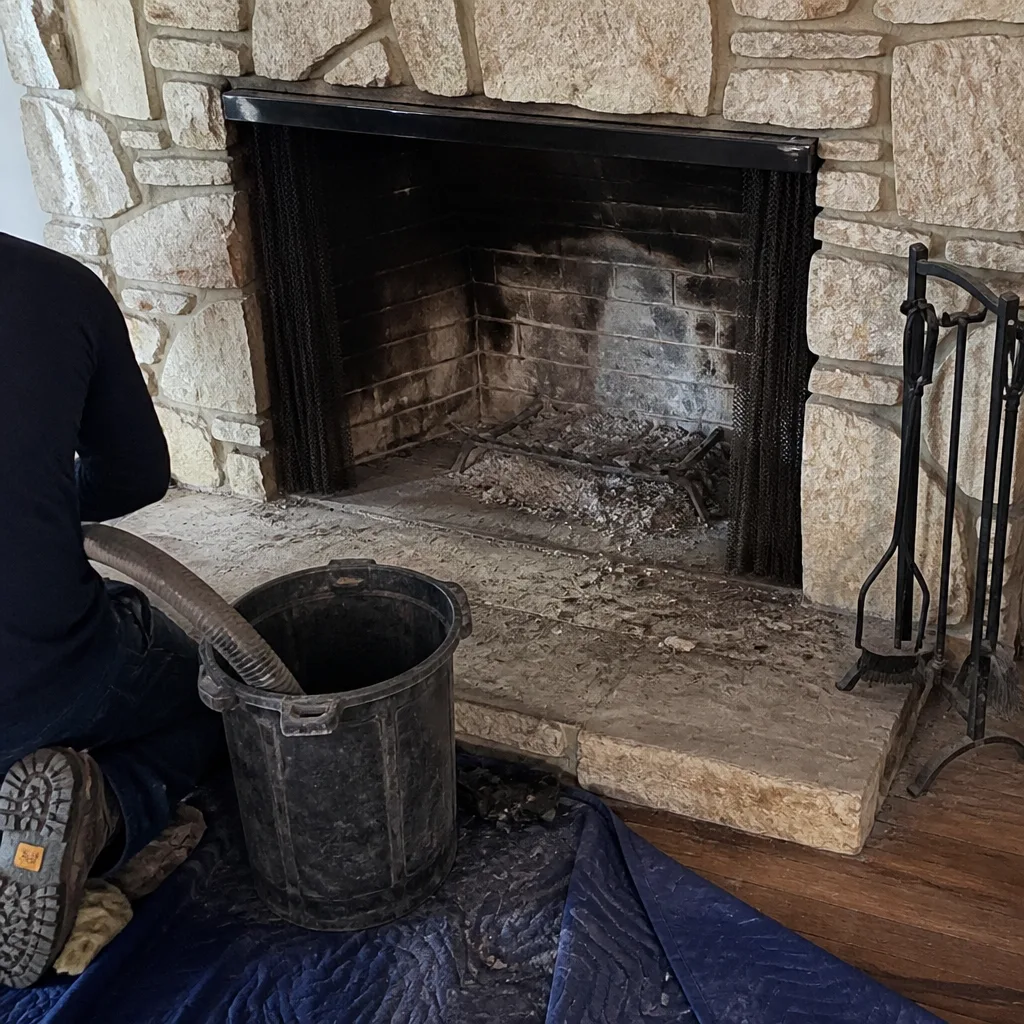
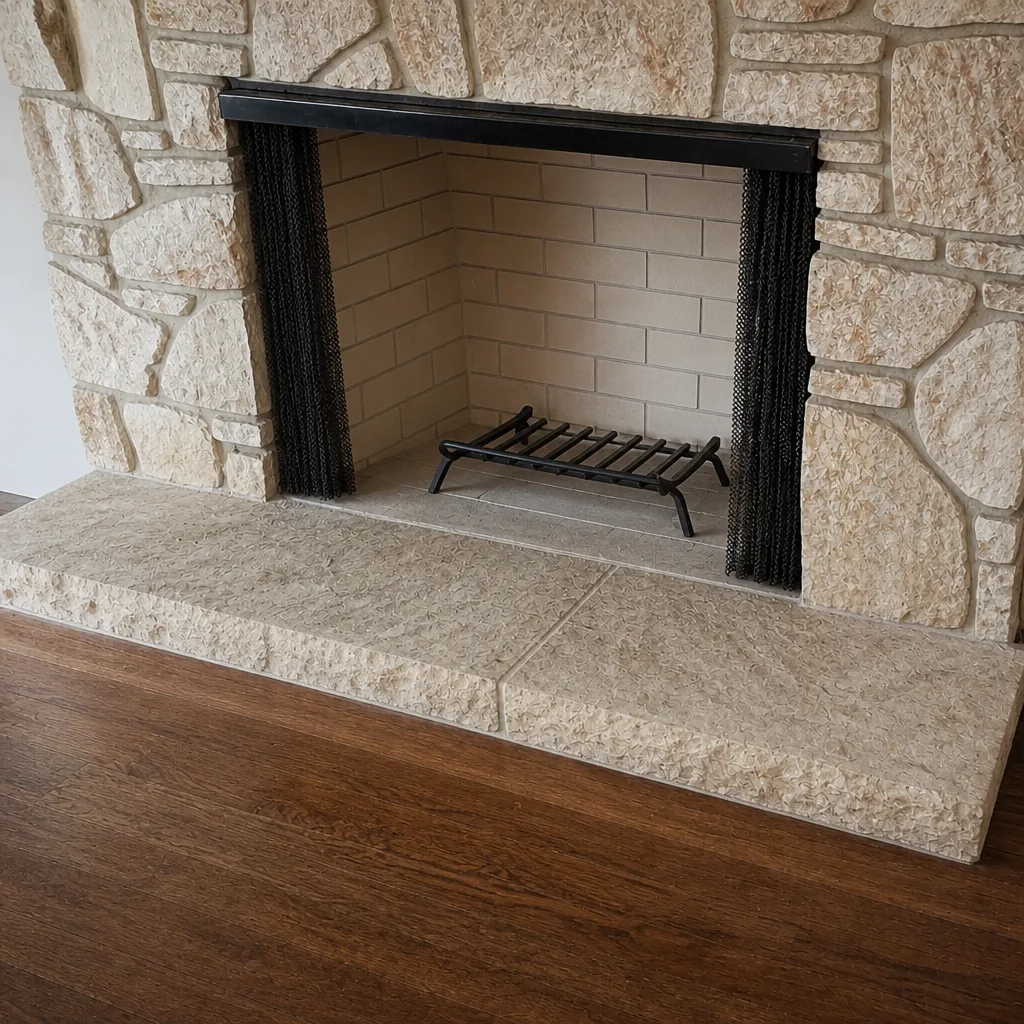
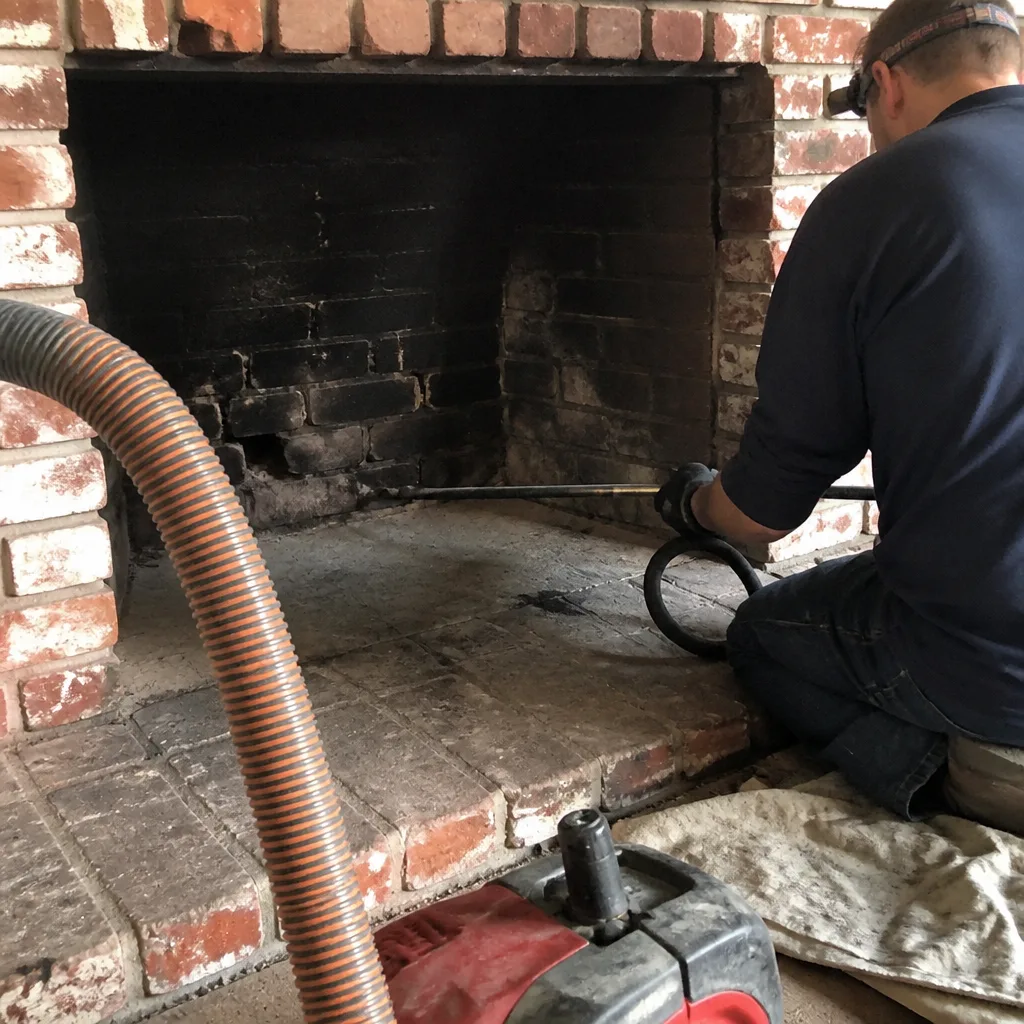
See the difference
 Before
 After
 Before
 After
 Before
 After
When to Call a Professional
Call a professional chimney sweep when the flue has glazed creosote, when the chimney is masonry with any visible damage or an unknown history, when you have no current inspection, or when the fireplace smells, drafts poorly, or smokes into the room. Add to that any flue with an offset, a stove insert, or a damper you can’t safely work around, and any case where the job requires the roof. Those are the situations where the brush kit is the wrong tool and an inspection is the thing that actually settles the question. Beyond cleaning, a professional sweep also identifies when a repair is needed, and that’s the point at which Chimney Sweep Vacaville earns its place: repair and reline, not just clean. Chimney Sweep Vacaville offers free estimates in Vacaville – call (844) 797-8347. We answer 24/7. Fast dispatch from 7am to 7pm, Sunday through Friday.
Frequently Asked Questions
Yes, for a lightly used fireplace burning dry wood with no glazed creosote and a recent professional inspection confirming the flue is sound. It’s not safe to DIY when there’s glazed creosote, masonry damage, an unknown liner, or any sign of draft issues, and it’s never worth getting on the roof for. Start with an inspection, and let that tell you whether a brush is enough. Call (844) 797-8347 for an exact quote – estimates are free.
A professional sweep uses a rotary system that removes glazed creosote and stage-two deposits a hand brush can’t touch, then it inspects the whole flue with a camera and gives you a photo report. The brush kit cleans soot; the rotary sweep and inspection handle the parts that actually cause chimney fires and liner damage. That’s the difference in scope, not just effort. Call (844) 797-8347 for an exact quote – estimates are free.
Once a year is the usual baseline for a working fireplace, and more often if you burn heavily or use the fireplace as a primary heat source. Vacaville’s mild winters mean many fireplaces sit idle part of the year, so the practical timing is a sweep before the burning season starts, not mid-winter. Call (844) 797-8347 for an exact quote – estimates are free.
Costs vary by the condition of the flue and the scope of work, and the written estimate sets the final price. A straightforward sweep is one thing; a flue with heavy creosote or a needed repair is another. We don’t quote flat numbers without seeing the flue, because the honest price depends on what’s actually inside it. Call (844) 797-8347 for an exact quote – estimates are free.
You need a new liner when the existing one is cracked, gaping, corroded, or no longer suited to the appliance, and you don’t need one when it isn’t. The honest version is this: nothing gets recommended without camera evidence you can see for yourself. If the photo report shows a sound liner, that’s the answer even if a sweep was the only thing you booked. If it shows why a reline is needed, you’re looking at the same pictures we are. Call (844) 797-8347 for an exact quote – estimates are free.
Glazed creosote keeps building, and that’s the fuel that turns a chimney fire from unlikely to possible. Cracks and gaps in the liner also go unnoticed, and those affect how safely the flue handles heat. Skipping isn’t a single dramatic failure; it’s a slow accumulation of conditions you can’t see. That’s the case for the annual inspection, even if you clean your own flue. Call (844) 797-8347 for an exact quote – estimates are free.
The Bottom Line
DIY chimney cleaning is a fair choice for a lightly used fireplace with dry wood, light deposits, and a current professional inspection confirming the flue is sound. It’s the wrong choice the moment there’s glazed creosote, masonry damage, an unknown liner, a draft problem, or the need to get on the roof. The brush handles the soot you can see; the rotary sweep, the camera, and the photo report handle what you can’t. The decision isn’t really DIY versus professional. It’s whether you know what’s inside your flue before the next fire, and the inspection is the part that shouldn’t be optional. Chimney Sweep Vacaville handles sweeping, repair, and inspection as a chimney-only specialist, working with professional-grade brands like HeatShield, DuraFlex, Gelco, Olympia Chimney, and Famco. When a repair is needed, we repair and reline, not just clean.
Our technicians have up to 9 years of experience. Our team handles chimney sweep work, chimney repair, and inspection, and we’re glad to help homeowners across Vacaville figure out which one their chimney actually needs. If you want a straight answer about your own flue, reach out to Chimney Sweep Vacaville and we’ll take a look. Call (844) 797-8347 for a free estimate. We answer 24/7. Fast dispatch from 7am to 7pm, Sunday through Friday.
Written by the team at Chimney Sweep Vacaville.