
Last updated November 16, 2026
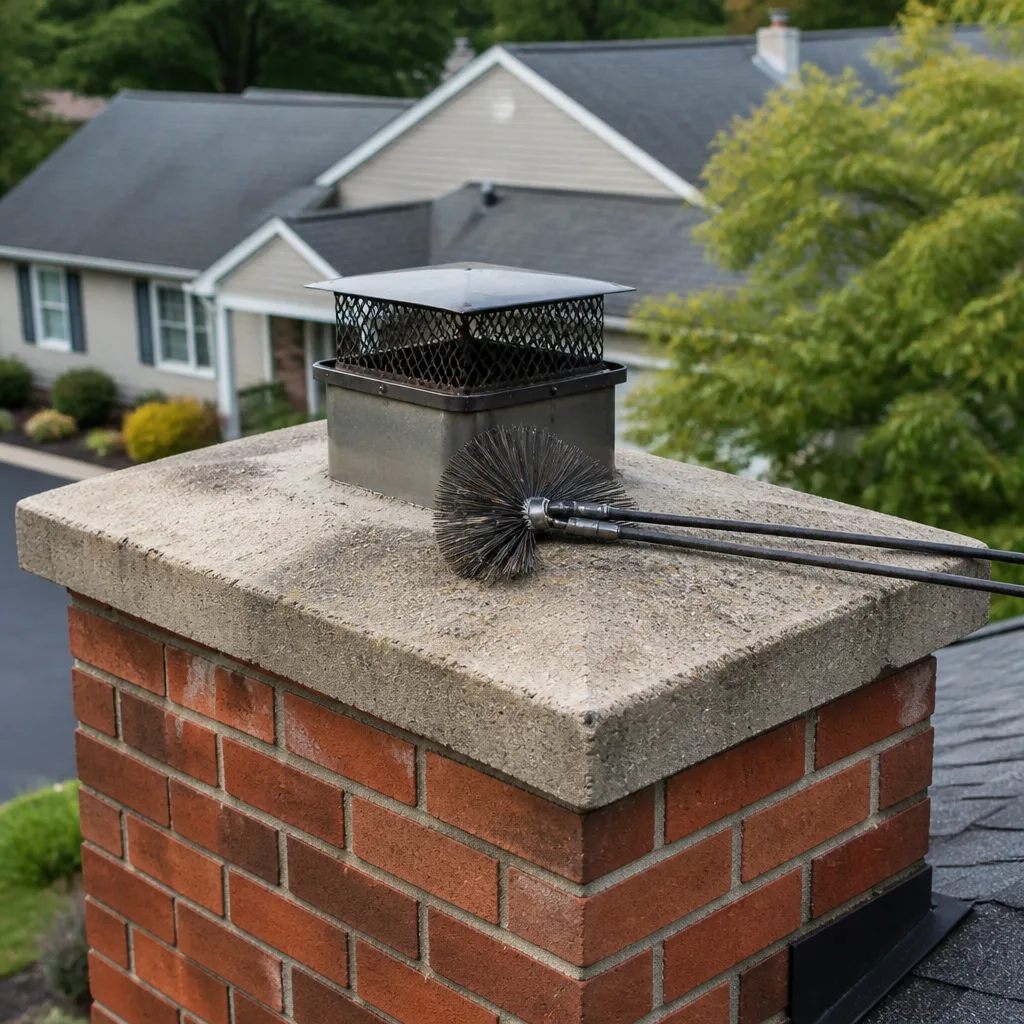 Sweep & inspection
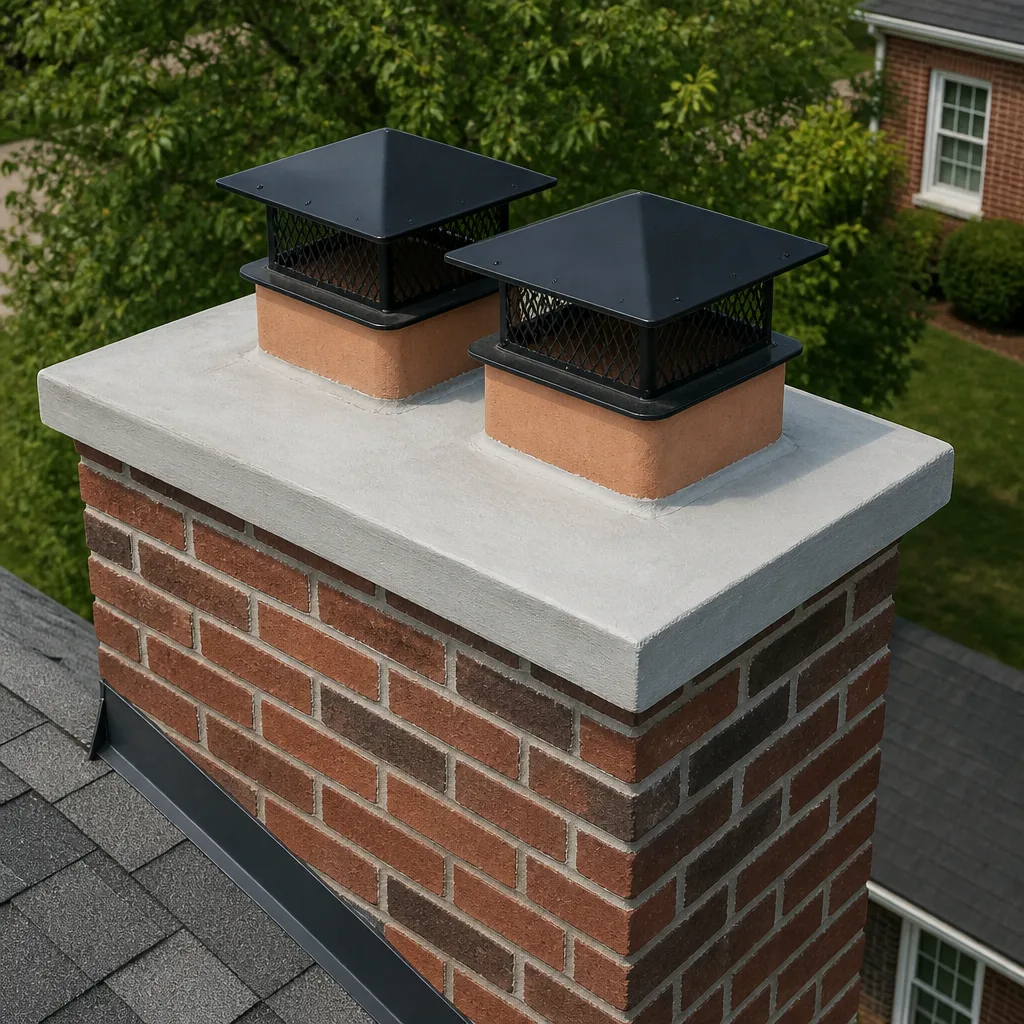 Caps & crowns
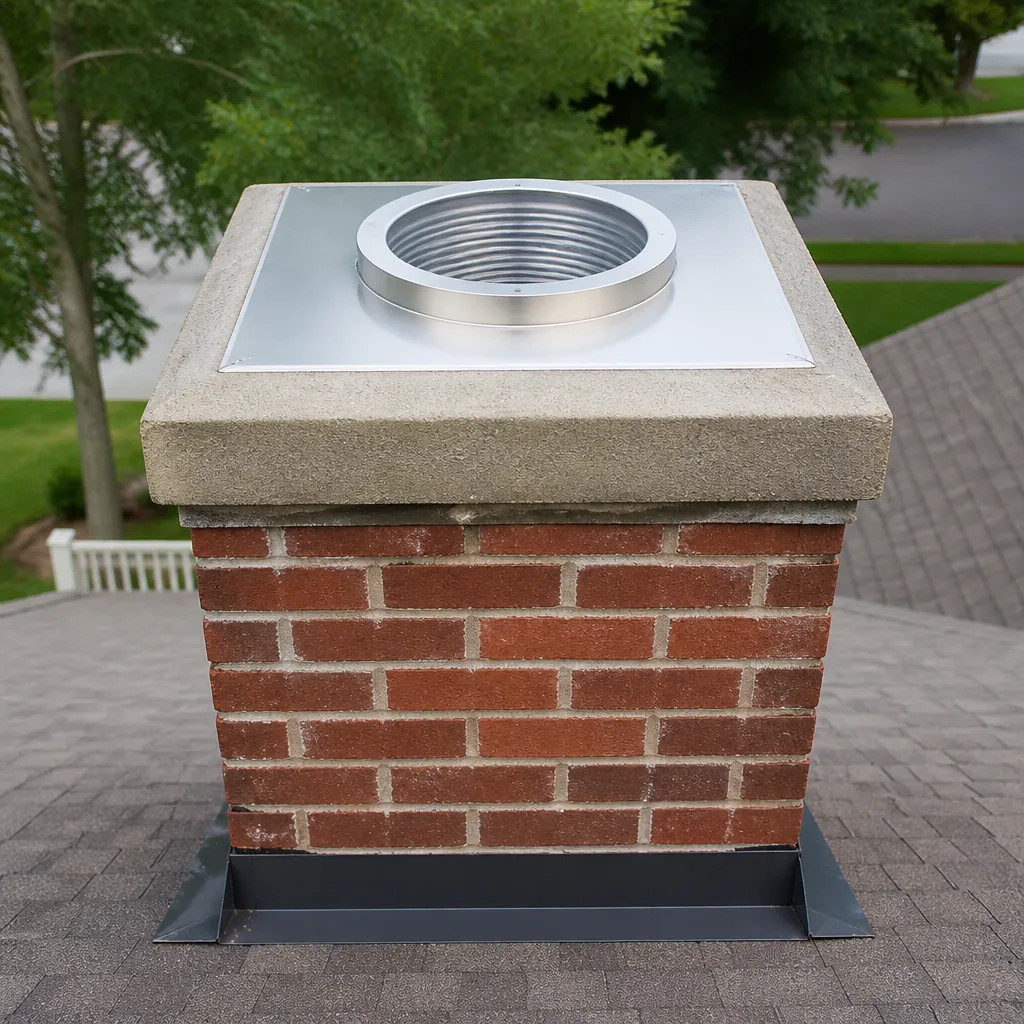 Flue relining
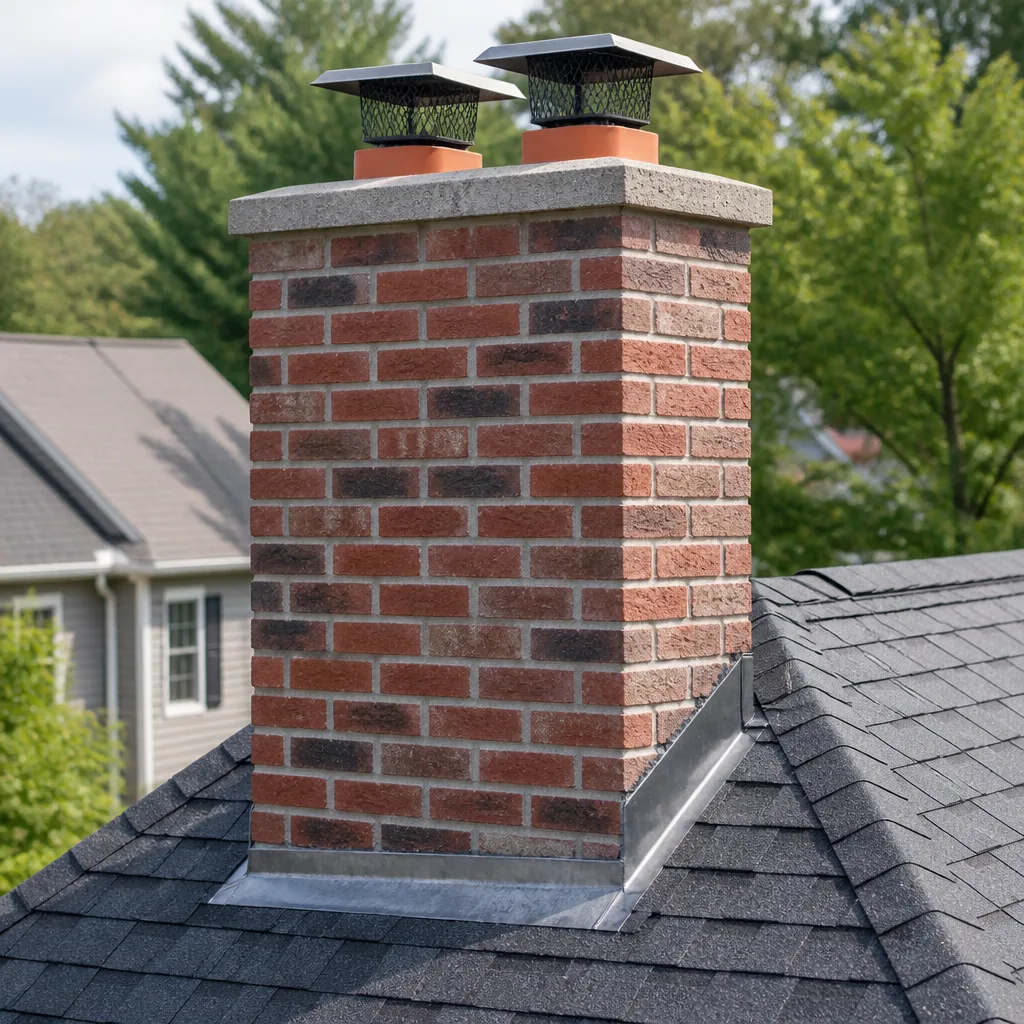 Masonry repair
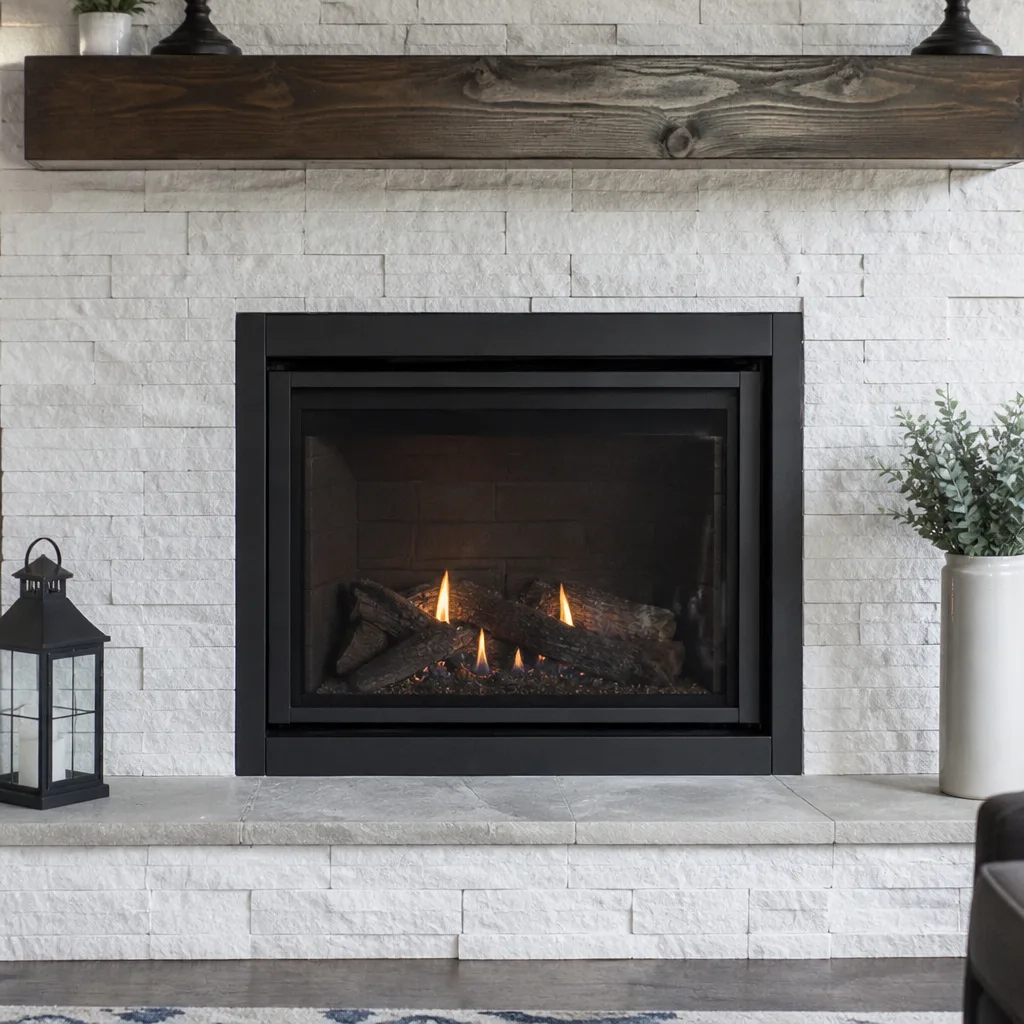 Gas fireplace service
Level 1 sweep and inspection to the NFPA 211 annual standard - flue, crown, cap, and flashing checked and photographed
Chimney sweep logs do not sweep chimneys. They loosen some creosote - which then falls where a brush and vacuum still have to collect it.
Chimney Sweep Maintenance Schedule: What to Do and When
The standard advice says to sweep your chimney once a year. That advice was written for wood-burning fireplaces that see regular use through a cold winter, and it doesn’t fit every home in Vacaville. A gas insert you light a few evenings a month has a very different maintenance clock than a masonry fireplace you feed every weekend from November through February. Sweeping a lightly used gas appliance on the same cadence as a heavily worked wood fire wastes your money. Skipping the wood-burning chimney because “it’s only been a year” puts creosote in the flue where it doesn’t belong. This guide replaces the calendar rule with a schedule built around what you actually burn, how often, and what your chimney is made of. You’ll learn how to figure out your real sweep frequency, what to check between sweeps, and how a simple log keeps every future inspection faster and cheaper to document.
Quick Answer
Sweep a wood-burning chimney after every cord of wood you burn, or once a year at minimum, whichever comes first. Get a professional inspection once a year no matter what you burn. Gas inserts and lightly used fireplaces often need sweeping only every two to three years, but still need the annual inspection. In Vacaville, schedule your sweep and inspection before October, ahead of the compressed burning season and the demand crunch that comes with it.
Styles & brands we work with
- Sweep & inspection
- Caps & crowns
- Flue relining
- Masonry repair
- Gas fireplace service
Table of Contents
- Why “Once a Year” Is a Floor, Not a Schedule
- How Often Should You Actually Sweep? A Usage-Based Decision Tree
- The Vacaville Timing Question: Why Before October Matters
- What to Check Between Annual Sweeps
- Different Chimneys, Different Clocks: Masonry, Prefab, and Gas Inserts
- How to Keep a Chimney Log That Pays Off Later
- What a Professional Sweep and Inspection Actually Involves
- A Year-Round Chimney Checklist for Vacaville Homeowners
Why “Once a Year” Is a Floor, Not a Schedule
The annual sweep isn’t wrong. It’s just a minimum, and treating it as the whole rule leaves you either over-servicing a barely used chimney or under-servicing a heavily worked one. The real driver of how fast a flue fills up with creosote is how much fuel passes through it and what kind of fuel that is. That varies enormously from home to home. In our experience, no two chimney maintenance clocks in Vacaville look quite the same.
Creosote is the byproduct of incomplete combustion, and it builds up in three forms. The first is a light, flaky soot you can brush away easily. The second is a hardened, glassy glaze that takes real work to remove. The third is the worst, a dense coating that can ignite. How much of it forms depends on three things:
- How much you burn. A cord of seasoned hardwood produces far less creosote than the same volume of wet, green wood.
- What you burn. Softwoods like pine and fir burn hot and fast but leave more resin and more deposits than dense hardwoods.
- How you burn. Slow, smoldering, oxygen-starved fires produce much more creosote than hot, well-ventilated burns. A damper left partly closed all evening is a creosote factory.
A homeowner who burns three or four cords of mixed hardwood a season and runs hot fires needs a sweep every year like clockwork, sometimes twice. A homeowner with a gas insert they use a dozen times a year may go two or three years between sweeps without any risk. Same “annual” rule, very different reality. The right schedule treats the annual inspection as the fixed point and lets sweeping frequency flex around actual use.
How Often Should You Actually Sweep? A Usage-Based Decision Tree
Forget the calendar for a moment. Start with how much wood you actually burn, then adjust for species. This is the calculation professional sweeps use when they advise a homeowner, and you can run it yourself.
- Count your cords. One cord is a stack 4 feet high, 4 feet deep, and 8 feet long. Most fireplace homeowners burn somewhere between half a cord and three cords a season. If you buy by the truckload or the face cord, convert to cords before you calculate.
- Set a baseline sweep. Plan one sweep for every cord of seasoned wood burned. Half a cord means you can likely stretch to a sweep every other year; a full cord or more means annual; two cords or more means you should plan on sweeping mid-season as well as at the end.
- Adjust for species. If you’re burning mostly softwood (pine, fir, cedar), add roughly 25 percent to your frequency. Softwood fires deposit more resinous material, and many Vacaville yards have plenty of it from tree work. Mixed hardwood sits at the baseline. All hardwood (oak, almond, walnut) sits at or slightly below.
- Adjust for your burning habits. Smoldering overnight fires and a habit of closing the damper early push you toward more frequent sweeps. Hot, clean fires and a fully open damper push you toward less.
- Adjust for what you see. If a mid-season peek with a flashlight shows a quarter inch or more of soot on the flue wall, sweep now regardless of what the math says.
- Round up, never down. When you’re between two intervals, take the shorter one. The cost of an extra sweep is small compared to the cost of a chimney fire.
If you’d rather not run the math yourself, that’s exactly the kind of guidance a professional sweep gives on the first visit. The technician looks at what’s in the flue, asks how much you burn, and recommends a real interval rather than a generic “see you next year.”
The Vacaville Timing Question: Why Before October Matters
The single biggest scheduling mistake we see in Vacaville is waiting until the first cold snap to book a sweep. By then you’re competing with every other homeowner who did the same thing. The result is predictable: the weeks right around the first cold push in October and November fill fast, and the homeowner who called in mid-September gets the slot the homeowner who called in mid-October wanted.
Vacaville’s climate compresses the burning season. Winters here are mild, so most households don’t burn from November through March the way colder regions do. In practice that means a shorter, more concentrated window of actual fireplace use, roughly November into February, with the heaviest use around the holidays. Everything you need to do before the season starts has to happen before that window opens, because once it does, the chimney is in use and a mid-season sweep becomes a scheduling headache.
There’s a second reason to book early: the repair side. If the inspection finds a cracked crown, a deteriorating flue liner, or a damper that won’t seat, you want the repair done before the first fire, not after. Scheduling the sweep and inspection for September or early October gives you time to get repair work scheduled and completed if it’s needed. Booking in November leaves no margin.
One more local note: Vacaville sits in a valley subject to the strong seasonal winds that funnel through the region, particularly in fall. Those wind events are exactly the ones that knock loose chimney caps and dislodge debris. Getting ahead of them with a pre-season inspection means a fallen cap gets caught before it rains into the flue, not after.
To keep this simple: aim for September or early October for your annual sweep and inspection. If you miss that window, book the first available slot before the holidays and don’t wait for the first cold night to prompt you.
What to Check Between Annual Sweeps
The annual sweep and inspection is the foundation, but a few things deserve a check between visits. None of these require tools or an expert eye, and all of them can catch a problem early or spare you a service call.
After any significant wind event
Walk outside and look up at the chimney. The cap should still be sitting flat on top, the spark arrestor screen intact, and no branches or debris resting on or near the flue. A dislodged cap lets rain and animals straight into the flue, which is a much more expensive problem than a loose cap. If something looks off after a windy stretch of weather, that’s worth a call.
Before you light the first fire of the season
Open the damper and confirm it moves freely and seats properly at both ends of its travel. A damper that’s stuck open wastes heat and lets cold air into the house. A damper that won’t open fully is a creosote and carbon monoxide problem waiting to happen. If it sticks or doesn’t seat, have it looked at before you burn.
After any chimney fire, even a small one
Chimney fires aren’t always dramatic. A small one can sound like a low rumble or a rush of air, produce no smoke visible inside the house, and be over in seconds. It can also crack the flue liner and leave it looking fine from the firebox. Any time you suspect a chimney fire has happened, even a minor one, get the liner visually inspected before the next fire. We’ve handled enough liner inspections to know that a chimney can look healthy from below and be compromised inside.
After any home renovation near the chimney
If the roof was reworked, the chimney chase was opened up, or siding near the chimney was replaced, check the flashing and the chimney’s exterior joints. Small gaps let water in, and water is the single biggest cause of masonry chimney deterioration.
When you notice an odor on warm days
A persistent smoky smell from the fireplace on warm afternoons usually means creosote or soot is sitting in the flue and the pressure differential is drawing it into the house, or the chimney is overdue for a sweep. It’s a good cue to book one.
Different Chimneys, Different Clocks: Masonry, Prefab, and Gas Inserts
The biggest thing that gets missed when technicians treat every chimney the same is this: a masonry chimney, a prefab metal chimney, and a gas insert flue are three different systems with three different maintenance priorities. Applying one schedule to all three means one gets over-serviced and one gets under-serviced. The right schedule flexes by type.
Masonry chimneys
Brick-and-mortar chimneys age faster than most homeowners expect. The mortar joints absorb water, the crown cracks, and the flue liner, if it’s clay tile, can crack with a chimney fire or a settling house. The maintenance clock includes the annual sweep and inspection, plus a look at the crown, the flashing, and the exterior brick every year. Cracks in the flue liner are the most serious failure for a masonry chimney, and they can be hard to spot without a proper inspection. This is exactly the kind of restoration where we bring in professional products like HeatShield for resurfacing and DuraFlex for relining when a repair is warranted, rather than just sweeping and hoping.
Prefab (factory-built) chimneys
Prefab chimneys have a metal flue and their own manufacturer-specific clearance requirements. They usually sweep clean quickly, but the inspection matters just as much. The metal flue can develop cracks at the joints, and the chase around it can develop gaps that let water in. Prefab systems also have defined limits on what can be burned in them, and a professional inspection confirms the system is still within spec.
Gas inserts and gas fireplaces
Gas appliances produce far less creosote than wood, but they aren’t maintenance-free. Gas logs and inserts produce moisture and trace deposits that can settle in the flue, and the venting needs to be confirmed clear. A gas insert can go two or three years between sweeps if it’s lightly used, but it still needs an annual inspection, and the ceramic logs, burners, and venting need a look each year. This is the type most often over-swept and under-inspected, the opposite of what it needs.
Wood stoves
A wood stove that vents through a masonry or prefab chimney sweeps on a similar schedule to a fireplace, with extra attention paid to the stovepipe connector and the chimney’s transition point, where creosote tends to collect. If you burn a wood stove hard, plan on a mid-season sweep as well as an end-of-season one.
One practical point: when a chimney needs more than sweeping, the right parts matter. We specify professional-grade components, including Olympia Chimney and Famco products, so the repair is matched to the system, not chosen from whatever a generalist happens to have on hand.
How to Keep a Chimney Log That Pays Off Later
A chimney log is a simple record of every sweep, inspection, and repair on your chimney, kept in one place. It takes a minute to start and it pays off in three ways: it makes every future inspection faster, it tells the next technician exactly what’s been done and when, and it creates documentation that’s useful when you sell the house or file a homeowner’s insurance claim.
Here’s how to build one that actually gets used:
- Start with a single sheet or note in your phone. Columns for date, service performed, what the technician found, and what was recommended. That’s it.
- Log every sweep and inspection, including the ones with nothing found. A clean inspection is still documentation. Insurance companies and buyers want the whole history, not just the repairs.
- Note the technician’s recommendations, even if you decline them. If a sweep recommends a liner evaluation and you defer it, write that down. When a future inspection flags the same issue, you’ll know it’s been developing, not brand new.
- Keep a few photos. A photo of the flue before and after a sweep, or of a repaired crown, gives the next inspector a baseline. Take one at each service with your phone.
- Log your wood supply and burning habits. How many cords you bought, what species, and roughly when you burned heaviest. This is the input for the decision-tree calculation above, and it lets the next technician recommend a real interval.
- Keep the log with your home documents. The same folder as the water heater records and the roof warranty. When you sell the house, a chimney with documentation is a chimney a buyer doesn’t have to worry about.
A quick note on documentation: a professional sweep and inspection is worth more than a ticket and a broom. A written inspection report with photos is exactly the kind of record a buyer’s agent or an insurance adjuster wants to see. If you’re getting a chimney sweep and inspection before a real-estate closing, ask for the report in writing.
What a Professional Sweep and Inspection Actually Involves
A professional sweep isn’t just a brush on a pole. Knowing what the visit actually involves is how you tell a thorough job from a quick one, and it’s how you know what you’re paying for.
A full sweep starts with protecting the work area, then removing soot and creosote from the firebox, the smoke chamber, the flue, and the damper area. If the chimney is badly glazed, the technician may need to use chemical or mechanical methods to break it up. The debris is collected and hauled away, not left in the firebox. Then comes the inspection, which is the more important half of the visit.
A proper inspection covers:
- The firebox, checking for cracks in the brickwork and missing mortar joints
- The damper, confirming it operates and seats correctly
- The smoke chamber, looking for the rough, angled surfaces where creosote collects
- The flue, checking for cracks, gaps, and buildup, ideally with a camera in a masonry system
- The crown, the flashing, and the exterior brick or chase
- The cap and spark arrestor
- The venting on gas appliances and the connector on wood stoves
The output should be a written report with any findings and recommendations. When the inspection points to repair, the fix depends on what’s found, which is where the difference between a sweep-only service and a chimney specialist matters. A deteriorated clay liner can be resurfaced with a product like HeatShield in many cases, rather than torn out, and a fully failed liner is relined with a system like DuraFlex. Both are chimney repairs a generalist handyman has no business attempting.
The reason to keep a professional on the job is straightforward. Creosote in the flue, cracks in the liner, and problems inside the flue are the things that turn a chimney from a convenience into a hazard. Cleaning the firebox yourself doesn’t tell you what’s inside the flue. The full inspection is what does that, and it’s the part most homeowners can’t do themselves.
A Year-Round Chimney Checklist for Vacaville Homeowners
Put the schedule on a calendar and it becomes much harder to forget. Here’s a simple year-round plan built around Vacaville’s burning season and climate.
Early fall (September to early October)
- Book the annual sweep and inspection
- Have any recommended repair work scheduled and completed before the first fire
- Check the cap and exterior chimney after any wind events
- Confirm the damper opens, closes, and seats fully
Burning season (November through February)
- Burn seasoned wood with a moisture content around 15 to 20 percent on a meter
- Keep fires hot and well-ventilated; avoid long smoldering burns
- Peek into the flue with a flashlight every few weeks; sweep if you see a quarter inch of soot
- Watch for the smoke smell on warm days, which usually means a sweep is due
Late winter to early spring (March)
- Do a final end-of-season sweep if your cord count or mid-season peek calls for one
- Schedule the inspection for the year if you haven’t already
- Note how many cords you burned and what species; this is your calculation for next season
- Update the chimney log with the season’s burning and any repairs
Spring through summer
- This is the easiest time to schedule repair work; the chimney isn’t in use and slot availability is better
- Do any masonry, liner, or cap repair that was deferred from the inspection
- Get wood delivered early and stack it to season; dry wood is the cheapest insurance against creosote
- If you’re selling the house, request a written inspection report early in the process
Common Mistakes to Avoid
- Treating “once a year” as the whole rule. It’s a floor. A heavy burner can need two sweeps a season and a lightly used gas insert can go two years, and applying the annual rule blindly gets both wrong. Use the cord-and-species calculation instead.
- Waiting until the first cold snap to book in Vacaville. The weeks around the first cold stretch fill fastest. Book in September or early October if you want your pick of the calendar before the holidays.
- Skipping the inspection because the sweep looked clean. A sweep removes soot; an inspection finds cracks, gaps, and liner problems that a clean flue can hide. The inspection is the more important half of the visit.
- Assuming a gas insert needs no maintenance. Gas appliances produce less creosote than wood, but they still need annual inspection and a sweep every two to three years. This is the most common over-swept, under-inspected chimney type.
- Ignoring a small chimney fire. A brief rumble or whoosh can crack a flue liner and still look fine from the firebox. Get the liner visually inspected after any suspected chimney fire, even a minor one.
- Burning green or wet wood to stretch a woodpile. Wet wood burns cool and smoky, which is exactly the recipe for heavy creosote. Season your wood and meter it if you’re not sure.
- Keeping no record of your chimney work. A missing history makes an inspection slower, a resale harder, and an insurance claim more complicated. Keep the log.
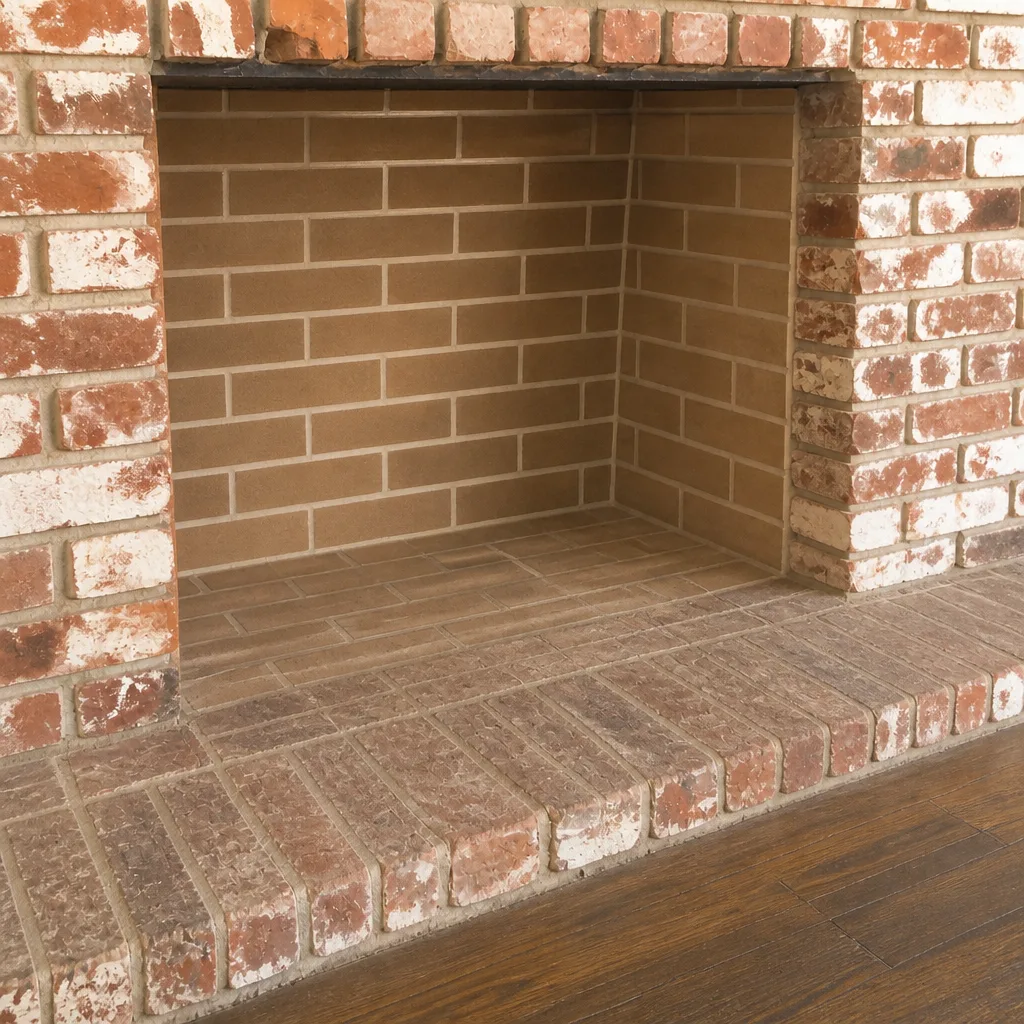
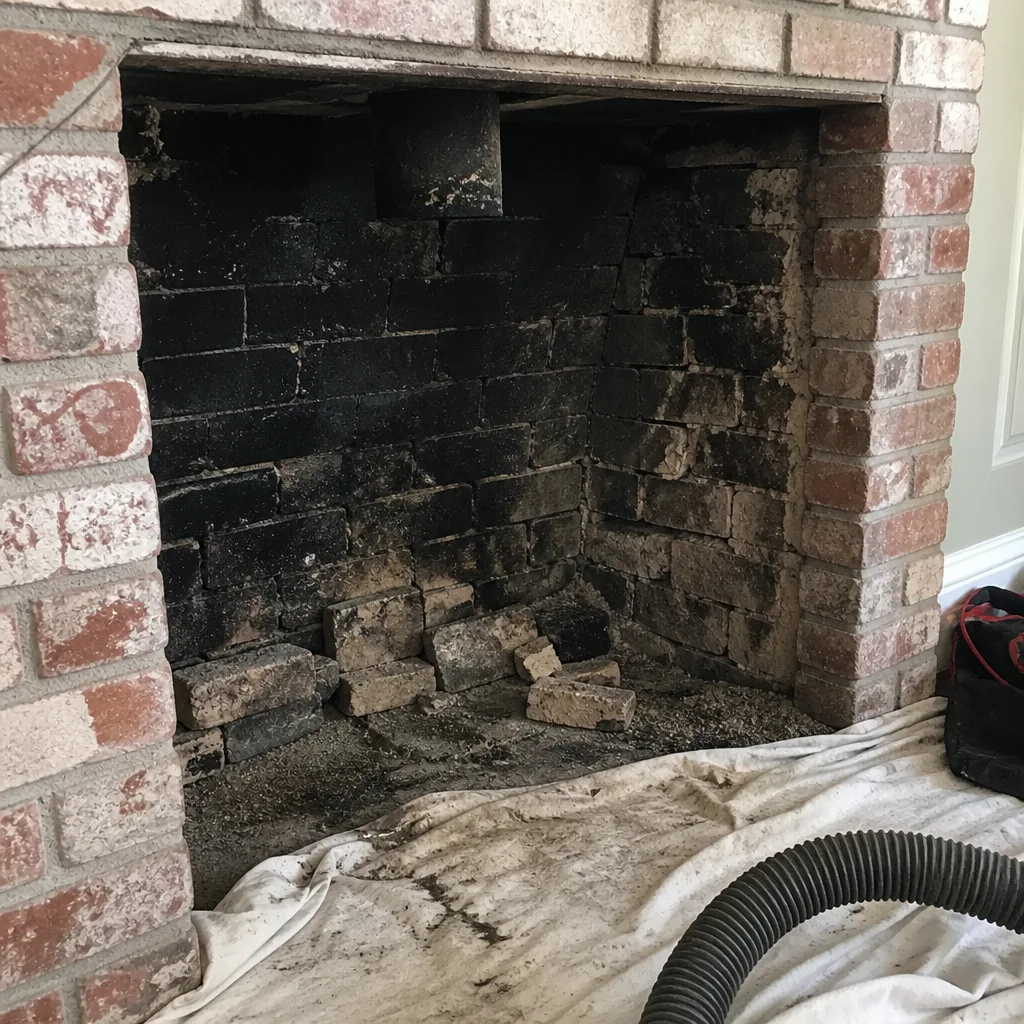
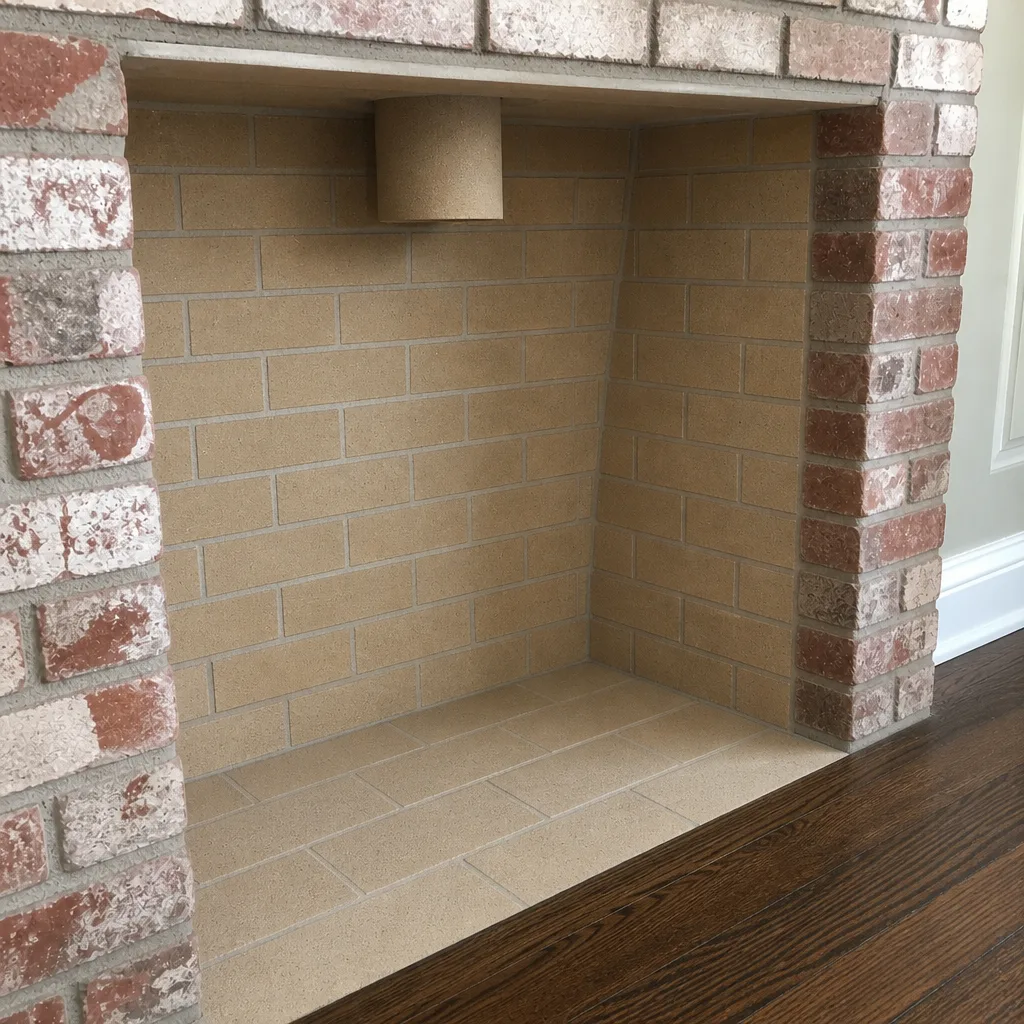
See the difference
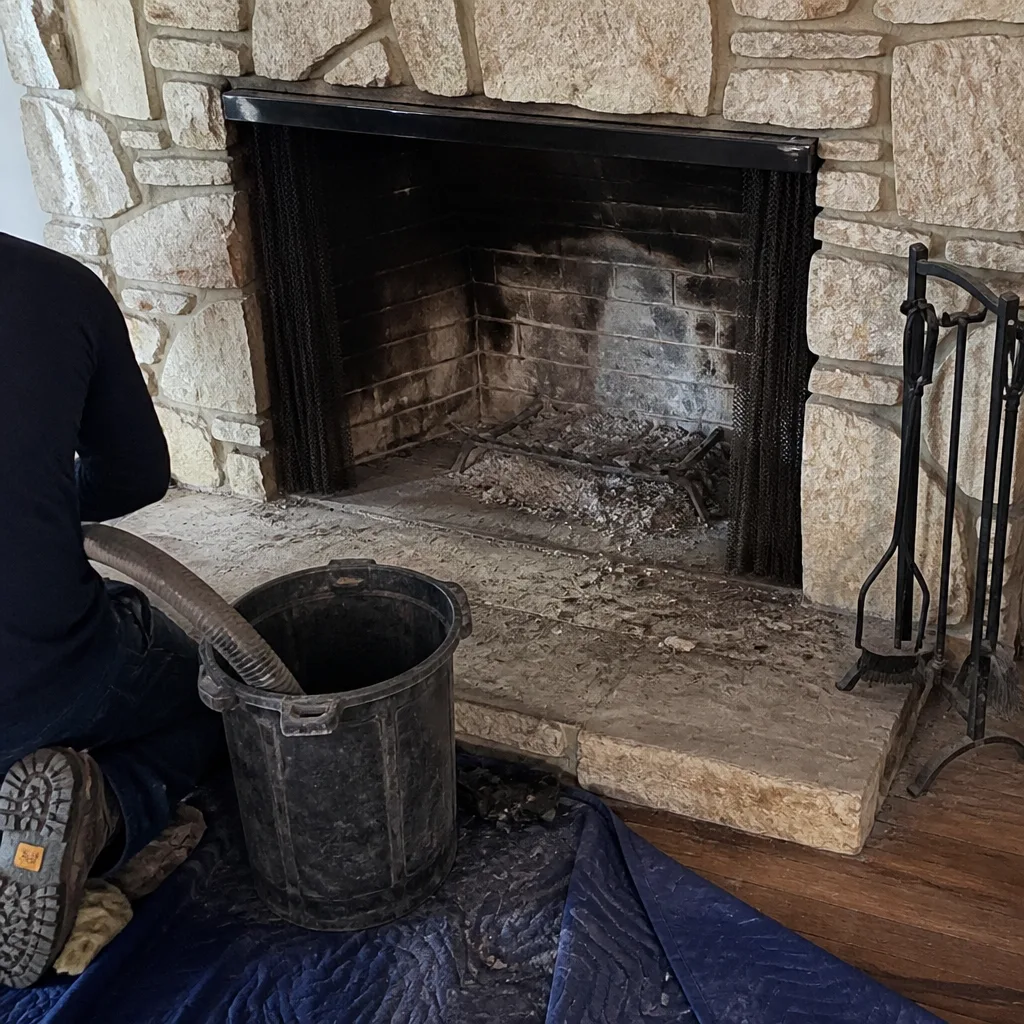 Before
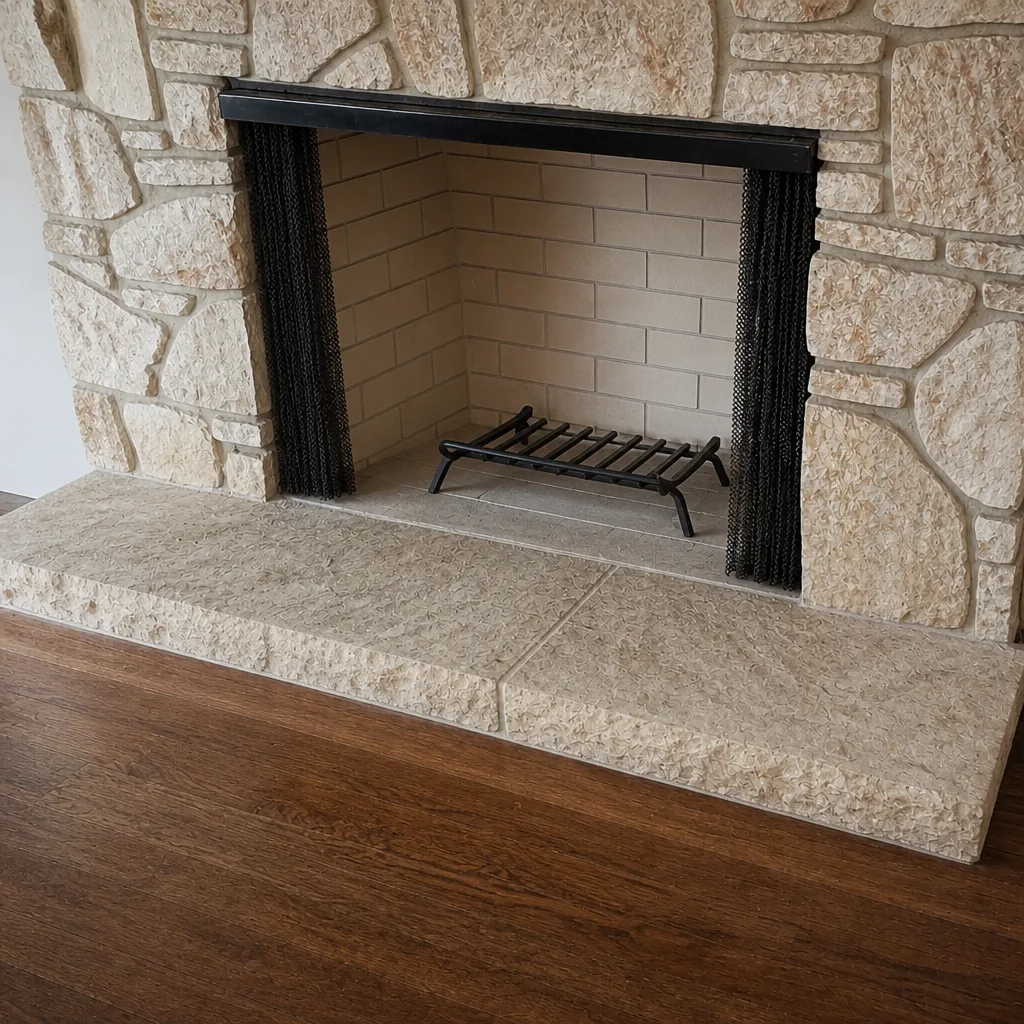 After
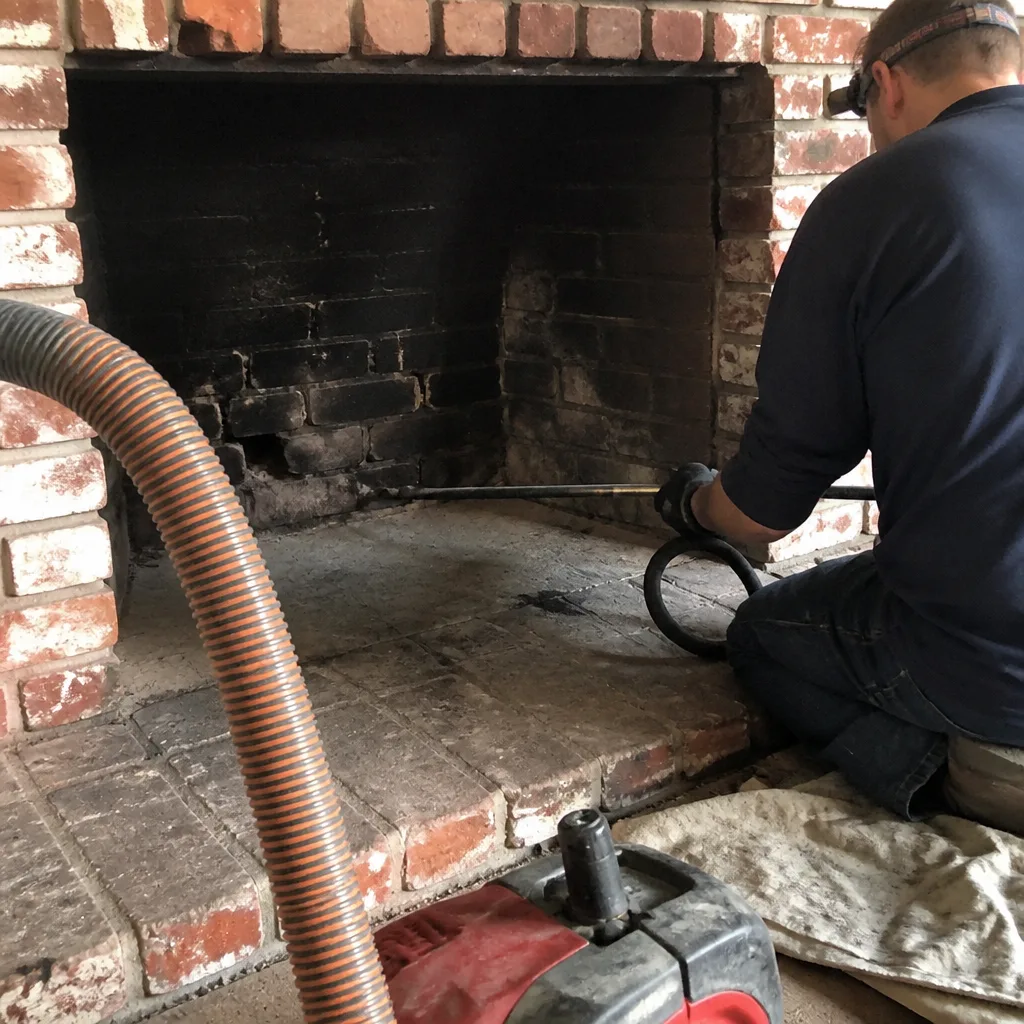 Before
 After
 Before
 After
When to Call a Professional
Some of the maintenance above you can do yourself. A few things need a trained eye. Call a professional if you see cracked or missing brickwork in the firebox, a glazed or dense creosote layer in the flue, or a damper that won’t seat properly. Call if you’ve had a suspected chimney fire, if the cap is damaged or missing after a wind event, or if you notice a smoky smell in the house on warm days. Call before a real-estate closing if you need an inspection report in writing. And call for your annual sweep and inspection, even if everything looks fine, because the flue is the part you can’t see.
Chimney Sweep Vacaville offers free estimates in Vacaville. Call (844) 797-8347. We answer 24/7. Fast dispatch from 7am to 7pm, Sunday through Friday.
Frequently Asked Questions
Sweep a wood-burning chimney after every cord of wood burned, or once a year, whichever comes first. If you burn softwood or run smoldering fires, add about 25 percent. Gas inserts and lightly used fireplaces can often go two to three years between sweeps, but still need an annual inspection. Call (844) 797-8347 for an exact quote; estimates are free.
Yes, because the inspection is what catches problems a sweep can’t, including liner cracks, crown damage, and venting issues on gas appliances. A neglected chimney’s biggest risks come from what’s inside the flue, not how much soot is in the firebox. Call (844) 797-8347 to book an inspection; estimates are free.
Skipped maintenance lets creosote build up to a level that can ignite, lets small cracks in the flue liner grow into a path for carbon monoxide into the house, and lets water damage progress from the crown and flashing into the masonry. None of those are expensive to prevent and all of them are expensive to fix. Call (844) 797-8347 for a sweep and inspection; estimates are free.
Shine a flashlight up the flue and look for a quarter inch or more of soot or glaze on the flue walls. A smoky smell in the house on warm days is a strong clue. So is heavy mid-season use of wet wood. If any of those apply, book a sweep sooner rather than later. Call (844) 797-8347 for an exact quote; estimates are free.
September and early October are the best months, because they land before the burning season starts and before the first cold push fills the schedule. Scheduling in spring is the next best option for repair work, since the chimney isn’t in use and slot availability is better. Call (844) 797-8347 to book; estimates are free.
Yes. Gas inserts typically sweep every two to three years rather than annually, but they still need an annual inspection of the logs, burners, and venting. Treating a gas insert like a wood fireplace over-sweeps it and under-inspects it. Call (844) 797-8347 to book; estimates are free.
The Bottom Line
The one-size-fits-all annual sweep is a floor, not a schedule. Build your maintenance plan around how many cords you burn, what species, and what kind of chimney you have, then anchor the whole thing to one annual inspection. In Vacaville, schedule that inspection for September or early October, before the burning season compresses the calendar. Check the cap after wind events, check the damper before your first fall fire, look at the liner after any suspected chimney fire, and keep a simple log of every visit so the next inspection is faster and your paperwork is in order. The annual inspection is the fixed point. Everything else flexes around your actual use.
When you’re ready to set up this season’s sweep and inspection, or you want a professional opinion on what’s inside your flue, call (844) 797-8347 for a free estimate. We’re chimney-only specialists: chimney sweep, chimney repair, and inspection under one team. We answer 24/7. Fast dispatch from 7am to 7pm, Sunday through Friday. You can also learn about Vacaville service and our Chimney Sweep Vacaville home page for more.
Written by the team at Chimney Sweep Vacaville.