
Last updated November 16, 2026
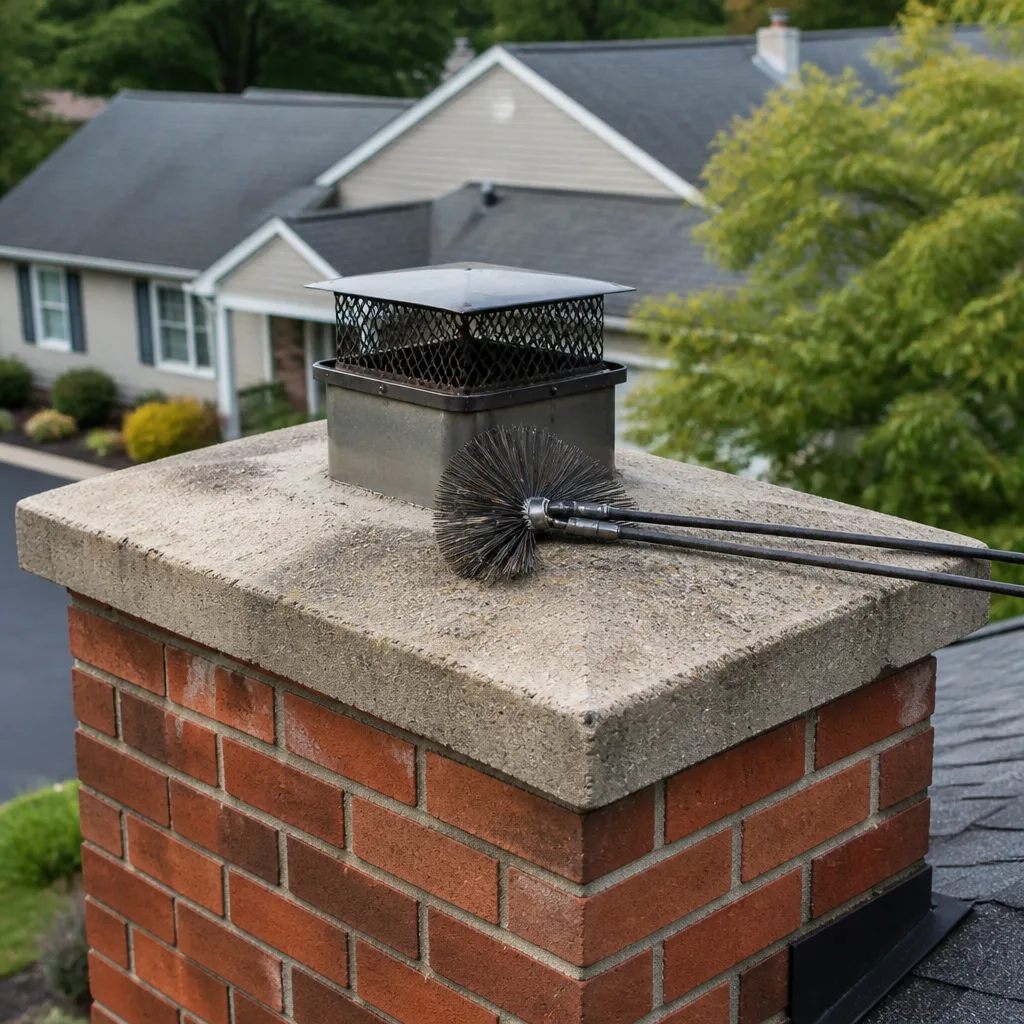 Sweep & inspection
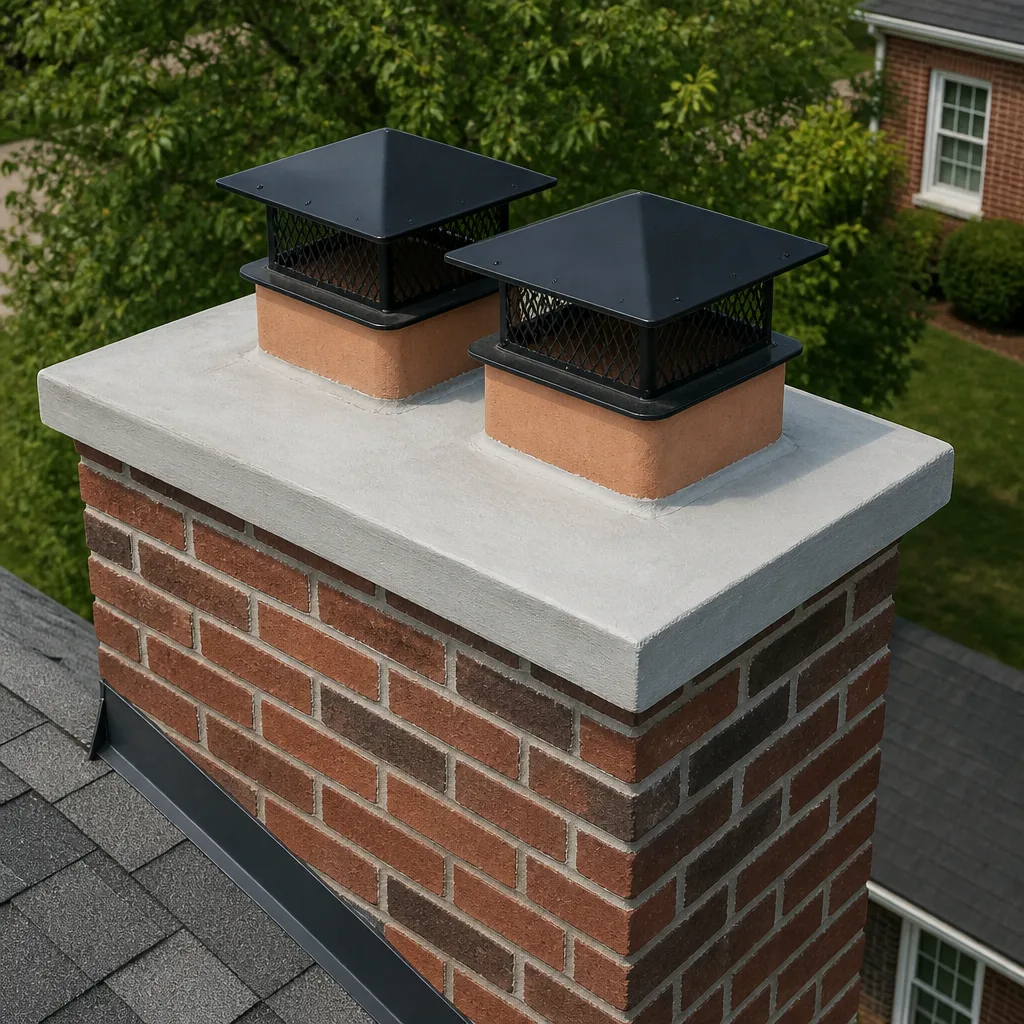 Caps & crowns
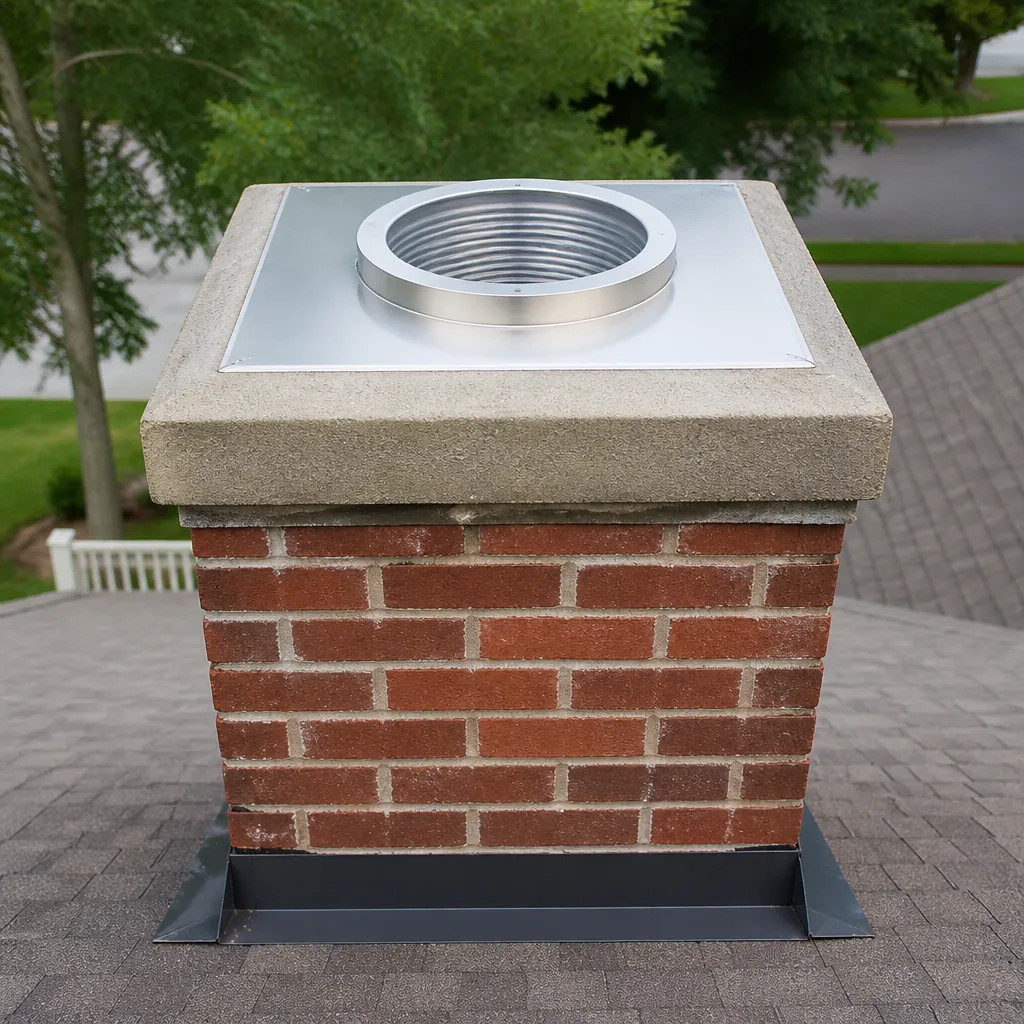 Flue relining
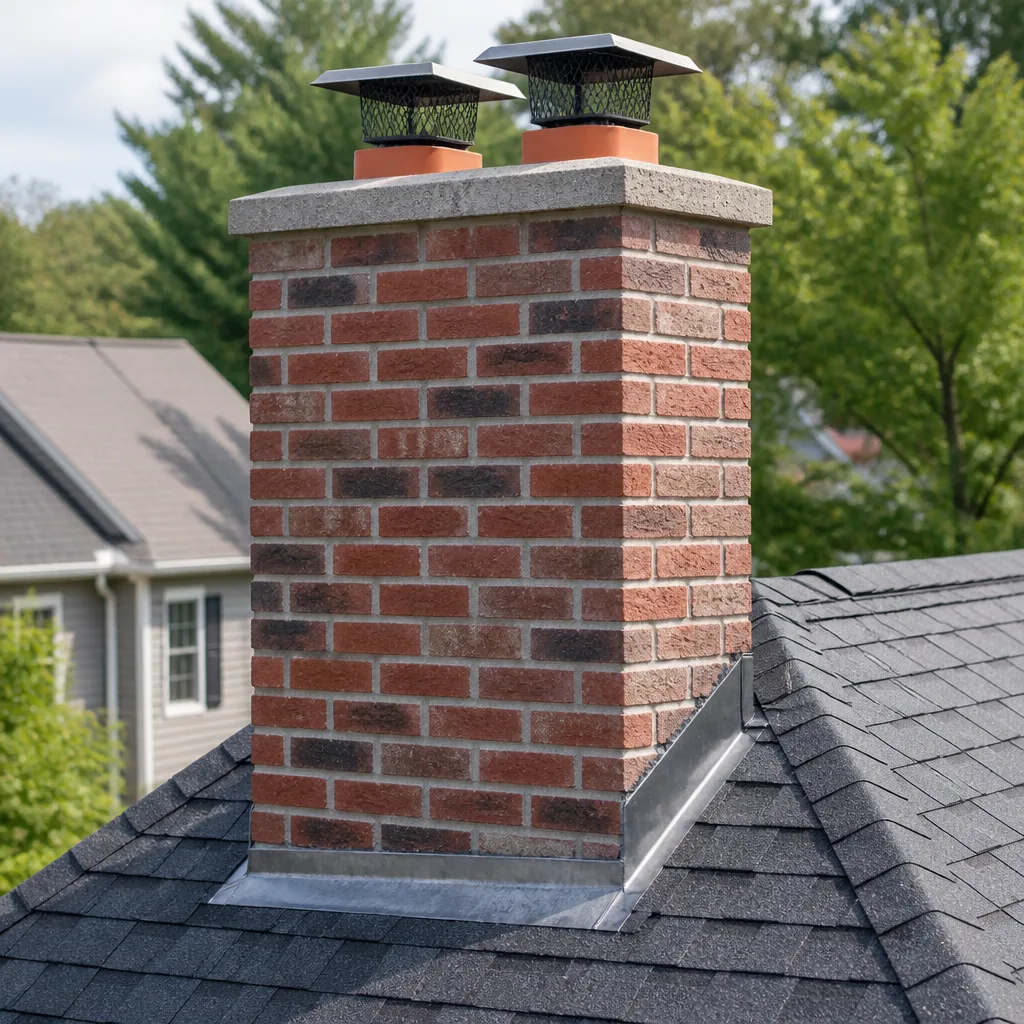 Masonry repair
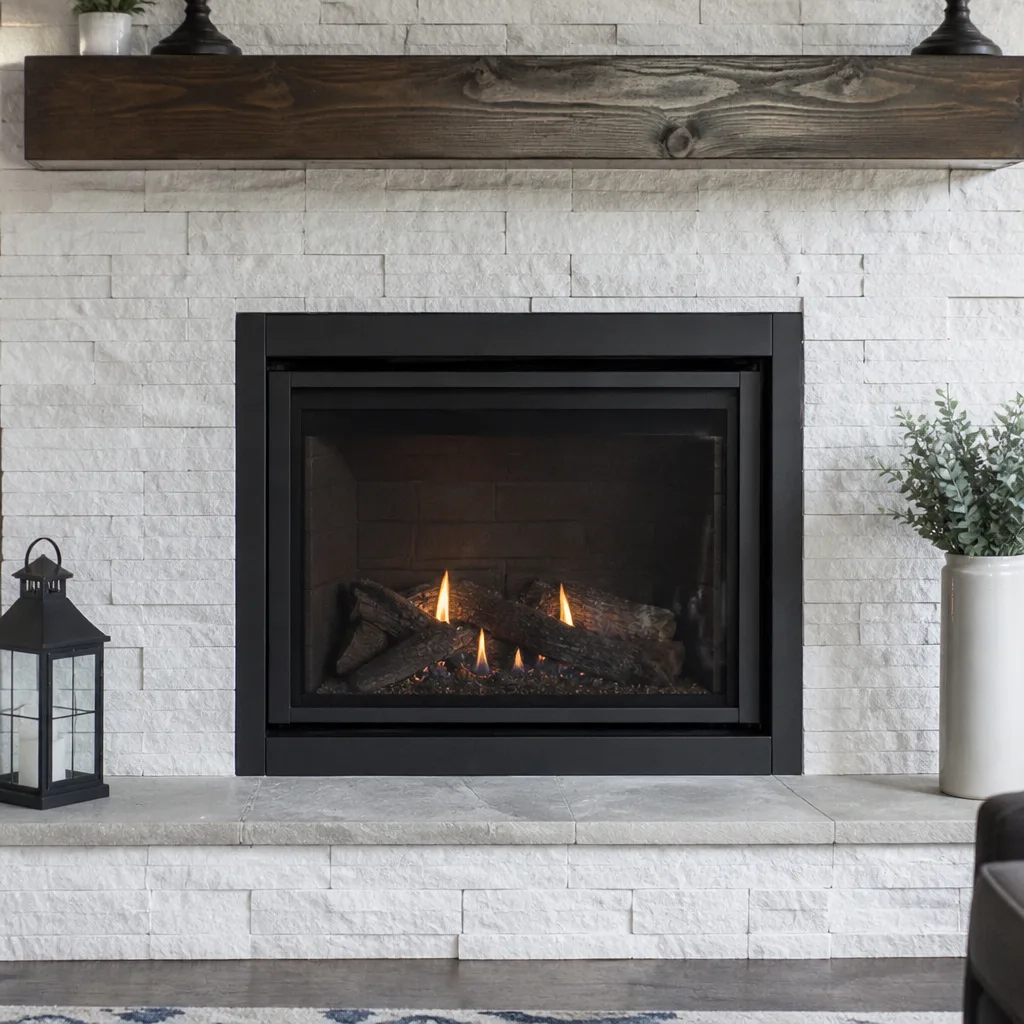 Gas fireplace service
Level 1 sweep and inspection to the NFPA 211 annual standard - flue, crown, cap, and flashing checked and photographed
Chimney sweep logs do not sweep chimneys. They loosen some creosote - which then falls where a brush and vacuum still have to collect it.
Chimney Cleaning Emergency Preparedness Guide for Vacaville Homes
When a chimney fire starts, the instinct to slam the damper shut feels protective. In most cases it’s the opposite. A closed damper traps heat and pressure inside a flue that may already be cracked, pushing flames and carbon monoxide into the walls and attic instead of venting them up and out. That single wrong move is how a contained flue event becomes a house fire. This guide walks through what a chimney fire actually looks and sounds like, the correct sequence of actions in the first three minutes, what has to happen before the fireplace is used again, and how to prepare a Vacaville chimney so the emergency never starts.
Quick Answer
A chimney fire emergency requires four moves in order: get everyone out of the house, call 911, avoid closing the damper if the fire is still active, and keep the fireplace out of use until a professional inspection confirms the flue is structurally sound. Cleaning and inspection before burning season are what prevent the emergency in the first place, and in Vacaville that means scheduling well before the first cool evenings of late fall.
Styles & brands we work with
- Sweep & inspection
- Caps & crowns
- Flue relining
- Masonry repair
- Gas fireplace service
Table of Contents
- What a Chimney Fire Actually Looks and Sounds Like
- The First Three Minutes: What to Do in Order
- After the Fire Department Leaves
- Preparing Your Chimney System to Reduce Emergency Risk
- Creosote Load: The Fuel You Can’t See
- What to Document for Insurance After a Chimney Fire
- Why Vacaville Homes Carry Specific Chimney Risk
- Common Mistakes to Avoid
What a Chimney Fire Actually Looks and Sounds Like
Most homeowners expect flames. Chimney fires rarely present that way from inside the house. The event is happening inside a flue, and the signals reach you through sound, smell, and heat rather than a visible fireball. Recognizing the sensory profile is the difference between reacting in the first minute and discovering the problem after it has spread.
A chimney fire typically produces a low, roaring sound, similar to a distant freight train or a deep rumble that grows louder over seconds. Many people describe it as a whooshing or sucking noise from the fireplace opening. That sound is the draft being consumed by fire, and it’s the single most reported indicator.
Watch for these signals:
- Sound: A rumble, roar, or whoosh from the chimney or fireplace that doesn’t match the fire you built.
- Smell: A sharp, hot, almost chemical odor, or a sudden strong smoke smell inside the room.
- Heat: The chimney breast, the wall above the fireplace, or the hearth becoming noticeably hot to the touch.
- Visible signs from outside: Dense smoke, sparks, or flames exiting the top of the chimney, or dark smoke puffing from the cap area.
- Draft change: Air being pulled strongly toward or away from the fireplace opening, or smoke backing into the room instead of rising.
- Creosote flakes: Bits of black, flaky material dropping onto the roof near the chimney top.
In our experience, the sound is what people remember and the smell is what they dismiss. If the fireplace is behaving in a way that feels wrong, treat it as wrong. A quick visual check from outside the house (from the ground, never on the roof) can confirm smoke or sparks. That check takes seconds and gives you information the 911 dispatcher will want.
The First Three Minutes: What to Do in Order
Sequence matters more than speed here. The wrong first action can make the event worse. Work through these steps in this order, and don’t skip ahead because the fire seems small.
- Get people and pets out first. Don’t stop to grab belongings. Carbon monoxide and smoke spread faster than the fire itself, and a chimney fire can push both into living space through cracks in the flue.
- Call 911 from outside. Tell the dispatcher you have a chimney fire, give your address, and stay on the line. Report what you saw and heard, and whether smoke is inside the house.
- If it is safe and the fire is clearly dying down, you can limit the air supply carefully – but never close the damper completely during an active chimney fire. A fully closed damper traps heat and pressure and can force flames and gases through flue cracks into the structure. Follow dispatcher guidance over your own instinct on this.
- Move vehicles away from the front of the house if the fire department is responding, so apparatus can pull in without delay.
- Do not spray water into the firebox. A sudden rush of water against a hot masonry firebox can crack it. The fire department has the right tools for the job.
If smoke is filling the house rather than venting up the chimney, treat the situation as a structure fire. Get out, stay out, and let the responding crew assess it. Chimney Sweep Vacaville handles the cleanup, inspection, and repair afterward. We don’t fight fires, and we’d rather you call 911 than us in that moment.
After the Fire Department Leaves
The truck pulling away is not the end of the event. It’s the point where an unresolved chimney becomes a future emergency. A fire department response confirms the fire is out. It is not a chimney inspection. Those are two different jobs, and only a proper inspection tells you whether the flue survived.
A chimney fire reaches temperatures that can crack clay tile, warp metal liners, damage mortar joints, and open gaps between flue sections. Those defects are often invisible from the firebox. The flue may appear intact while having a crack on the far side or a separated joint higher up. Using that chimney again before it’s inspected risks pushing carbon monoxide and smoke directly into the house.
Here’s what needs to happen after the fire department clears the scene:
- A full inspection with a camera view of the flue interior, so the condition of the entire liner is documented, not guessed at.
- A written report of damage, with photos the homeowner can review.
- A clear recommendation: whether the flue can be returned to service with repair, whether a liner restoration is needed, or whether full relining is required.
- Cleaning of the creosote and debris the fire left behind before any repair begins.
If the inspection turns up cracked tile or a compromised metal liner, HeatShield resurfacing handles certain flue restoration cases where the structure is sound enough to reline from the inside. Where a full liner replacement is the right call, our team installs DuraFlex systems. Either way, the chimney stays out of use until the work is done and the flue is verified good. That recommendation comes with camera evidence, not a repair pitch.
Preparing Your Chimney System to Reduce Emergency Risk
All of this is avoidable. The vast majority of chimney fires start with a known, measurable fuel load inside the flue, and a properly maintained system keeps that load in check. Preparation is a few decisions made before the burning season, not a repair project.
Install or repair a chimney cap
A cap does two jobs. It keeps rain, birds, squirrels, and debris from dropping into the flue, and it acts as a spark arrestor that prevents hot embers from landing on the roof. A missing or damaged cap is one of the most common gaps we find. A cap is one of the most affordable safety upgrades available for a chimney.
Time your annual cleaning before burning season
In Vacaville’s climate, the sensible approach is to schedule cleaning and inspection in the weeks before the first sustained rainfall and cool nights of late fall. That puts the inspection ahead of the heaviest burn schedule, catches damage accumulated over the dry months, and means you aren’t booking a sweep mid-season when the fireplace is already in use. A clean flue reduces creosote load going into the season, when the most fires start.
Reduce creosote buildup through how you burn
The single biggest lever is fuel quality. Wet wood burns cool, produces more smoke, and lays down more creosote. Burning seasoned hardwood (split and dried) and keeping fires hot rather than smoldering reduces the rate of accumulation. So does opening the damper fully at each fire and not closing it down to stretch a burn. A smoldering fire is a creosote factory.
Know the difference between sweeping and inspection
A sweep removes soot and creosote. An inspection evaluates the flue, cap, crown, firebox, and joints for structural defects. You want both, and neither replaces the other. Our chimney sweep visits include inspection as part of the work; chimney repair follows when damage turns up.
Use a professional-grade liner when the time comes
When a flue needs relining, the material matters. We work with professional brands like Olympia Chimney and Gelco, specified for the flue type and the appliance, not chosen from a shelf at the hardware store. A liner installed to spec is the layer between your home and continuous contact with hot gases and creosote.
Creosote Load: The Fuel You Can’t See
Creosote is the reason chimney fires exist. It’s a byproduct of incomplete combustion that condenses on the inside of the flue as a dark, tarry, or crusty coating. The more of it accumulates, the more fuel is sitting inside your chimney, waiting for a hot spark or a sudden draft of oxygen. It fuels the firework.
The three stages
Creosote builds through three general stages, and the stage matters because it determines how hard the deposit is to remove and how much risk it carries. A light, sooty deposit brushes off with standard sweeping. A heavier crust can require more aggressive removal. The most severe form, a hardened, glazed coating, requires professional removal and sometimes a different approach than sweeping alone. That’s one reason a chimney-only specialist matters here: cleaning a lightly soiled flue and grinding off glazed creosote are different jobs.
What raises your load
Every factor below increases how much creosote forms and how fast:
- Burning unseasoned or damp wood, or softwood that burns quickly and smoky.
- Choking the fire down so it smolders for hours.
- An undersized or blocked flue that never reaches full draft, keeping flue temperatures low.
- A long season of use without a cleaning between.
- Poorly sealed flue joints or gaps where cooler gases condense.
Cleaning isn’t the whole answer. Removing creosote before it accumulates is the point of annual sweeping. If you’ve been burning regularly and it’s been more than a season since the last sweep, the load is unknown. That’s a reason to book an inspection, not to wait and see.
What to Document for Insurance After a Chimney Fire
After a chimney fire, documentation is the difference between a routine claim and a long dispute. Insurers want proof of what happened and proof of the condition of the chimney. A camera inspection report is the document that does both. It records the fire’s effect, identifies damage, and supports the case for repair or relining.
Here’s what to collect after a chimney fire:
- Fire department report. Get a copy of the incident report. It records the response, the date, and the officer’s observations.
- Photos and video. Take your own photos of the firebox, hearth, chimney exterior, and any interior smoke or water damage, and keep them even after a professional visit.
- A post-fire inspection report from a qualified chimney professional. This is the required document. It should include camera footage of the flue interior, a written description of damage, and recommendations. Ask for photos you can forward directly to your insurer.
- Receipts and records. Previous cleaning, inspection, and repair records help establish the chimney’s maintenance history. Keep them; insurers ask.
- Estimates for repair or relining a contractor. A written estimate from a chimney specialist frames the scope and cost for the claim.
Most homeowner policies treat chimney fires as a covered event when maintenance has been reasonable, but standards and coverage vary, so ask your insurer what documentation they want and get it in writing. The inspection report is the piece that’s hardest to recreate later, so schedule it promptly. We can work with your insurer on documentation that supports the claim.
Why Vacaville Homes Carry Specific Chimney Risk
Vacaville sits in a valley where summers run long, dry, and hot, and the cooler months bring the first fire of the year after months of disuse. That cycle concentrates risk. A chimney that sat untouched through a dry season may have a cap that’s been knocked loose by wind, birds nesting in the flue, or a crown that has cracked from sun and heat. None of that is visible from the living room, and a fireplace that looks fine can be a problem on the first cold night.
The dry-season gap matters. A chimney that goes months without a fire gives creosote time to cure, become harder, and cling to the flue. When the first fire of the season lights, the flue goes from cold to hot, and accumulated creosote is exposed to fresh heat and draft. This is why late-season fires happen even in well-kept chimneys – and why the inspection belongs before the season, not after the first scare.
Older Vacaville neighborhoods carry a second layer of risk. Homes with original masonry chimneys built decades ago may have unlined or partially lined flues, tile that has cracked over the years, or mortar joints that have weakened. The same house that felt safe to a previous owner can have a flue that no longer meets a safe standard. An inspection tells you which one you have. Across Vacaville, the pattern holds: homes with wood-burning fireplaces in regular use have the strongest case for annual cleaning and inspection, and older masonry chimneys benefit most from an assessment before the next fire. We cover this ground often – see our Vacaville service overview for how we approach these properties.
What Happens When You Call Chimney Sweep Vacaville
We’re a chimney-only specialist, not a general contractor. When you call about a chimney that behaved in a way that concerns you, here’s what the visit looks like:
- We answer 24/7, and fast dispatch runs from 7am to 7pm, Sunday through Friday. We’re closed Saturday.
- A sweep and inspection is booked and scheduled, not a rushed same-day visit promised over the phone.
- We clean the flue, inspect the interior with a camera, and document what we find.
- Nothing gets recommended without camera evidence you can review yourself.
- When work can safely wait, we tell you it can wait.
- When repair or relining is needed, we quote it in writing, and the estimate is free.
Our technicians have up to 9 years of experience, and every job is inside our primary area of specialty. The chimney sweep is the starting point: Chimney Sweep Vacaville connects you with a team that works on chimneys and nothing else, so a problem isn’t handed to a generalist who fits chimneys between other jobs.
Common Mistakes to Avoid
- Closing the damper during an active chimney fire. This is the mistake we hear about most. It traps heat and forces smoke and gases into the structure instead of venting them. Keep it open unless a dispatcher tells you otherwise, and prioritize getting out over managing the fire.
- Treating the fire department’s clearance as a clean bill of health. Response and inspection are different jobs. The truck leaving means the fire is out, not that the flue is safe to use.
- Getting back to burning without a camera inspection. A cracked tile or separated joint on the far side of the flue is invisible from the firebox. Don’t assume a firebox that looks fine means a flue that’s fine.
- Burning damp wood to save on fuel costs. Wet wood burns cool and lays down creosote faster than seasoned hardwood. The savings disappear the first time a sweep has to clear a heavy accumulation.
- Skipping the pre-season inspection in Vacaville’s dry-season window. A chimney that sat through months of heat and wind may have a loose cap or a cracked crown. The first cold night is a bad time to find out.
- Letting the cap go unrepaired. A missing or loose cap opens the flue to rain, nesting animals, and debris. It’s one of the cheapest safety items to fix and one of the most common problems we find.
- Handing a chimney job to a general handyman. A chimney is a specialized system. Sweeping, inspection, and relining each require specific training and tools, and a generalist may not catch a defect that a dedicated specialist would.
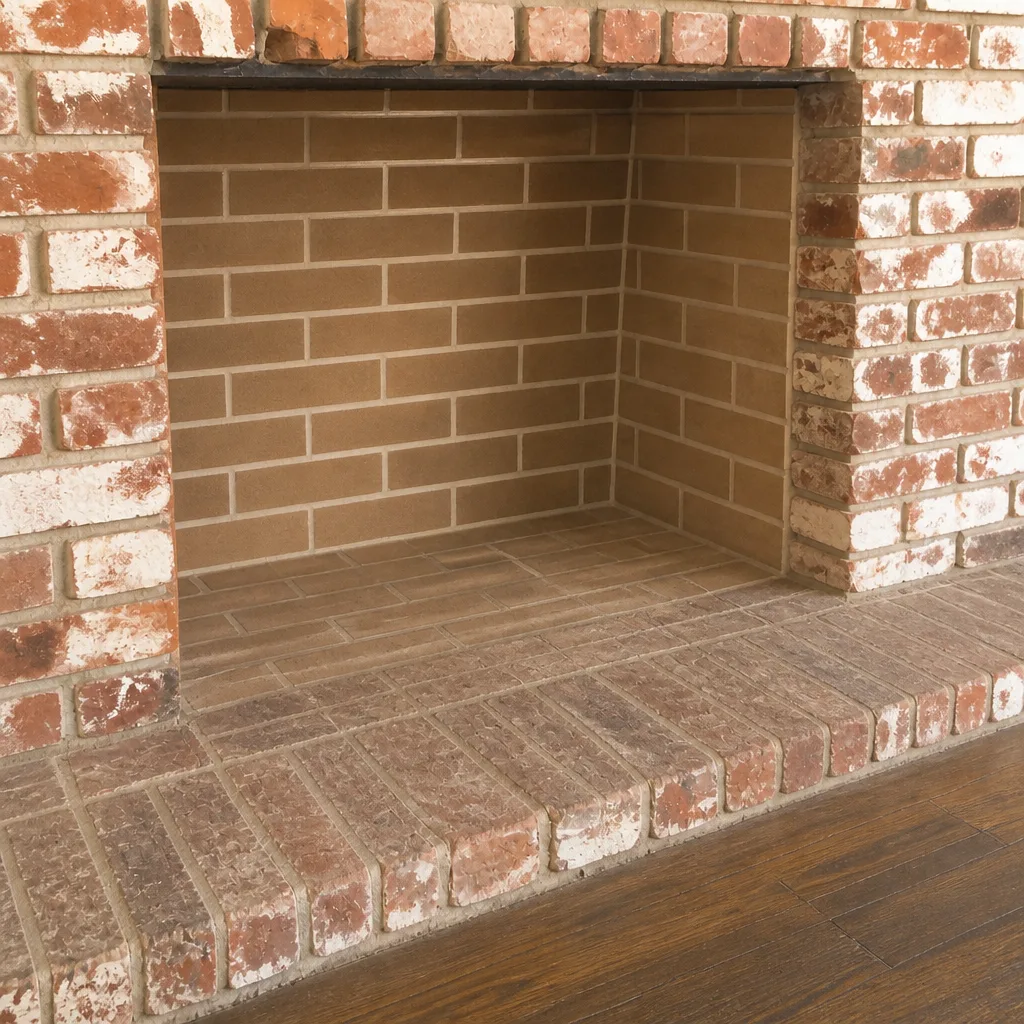
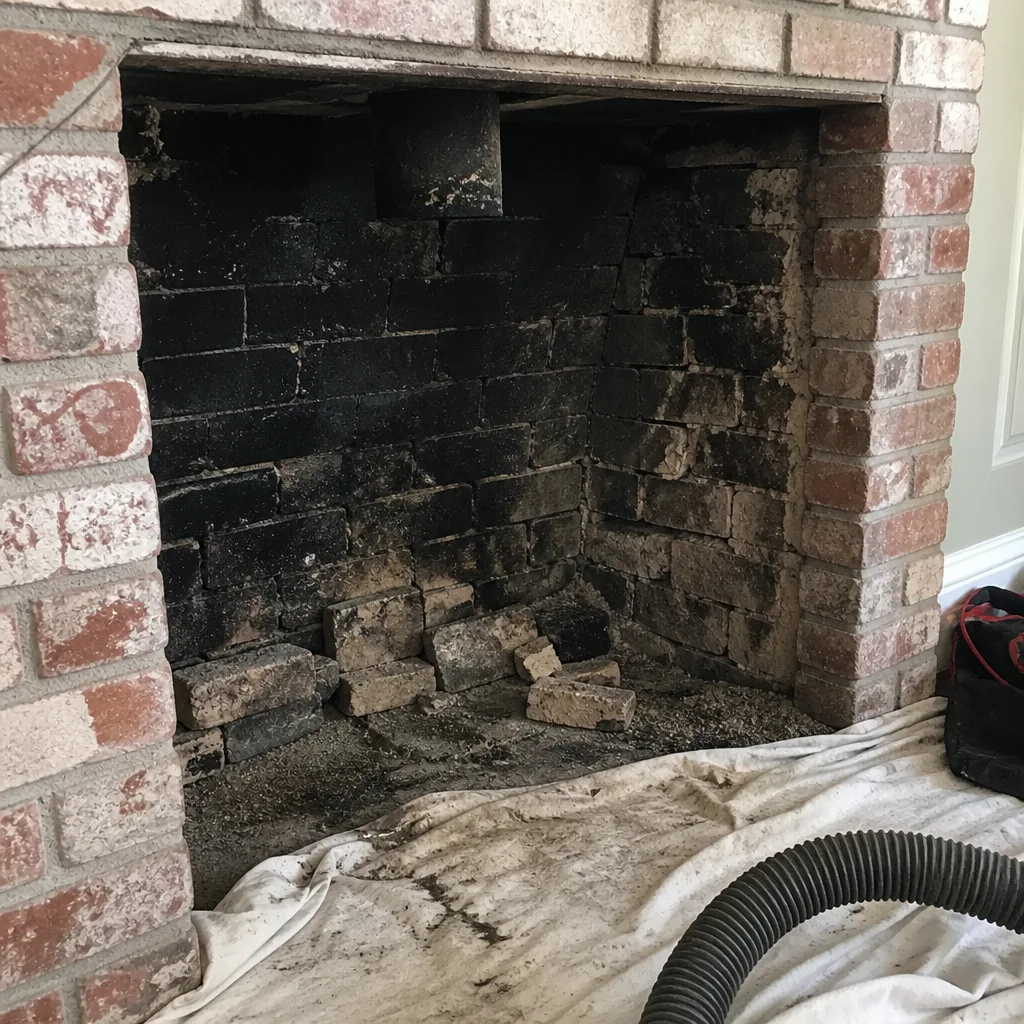
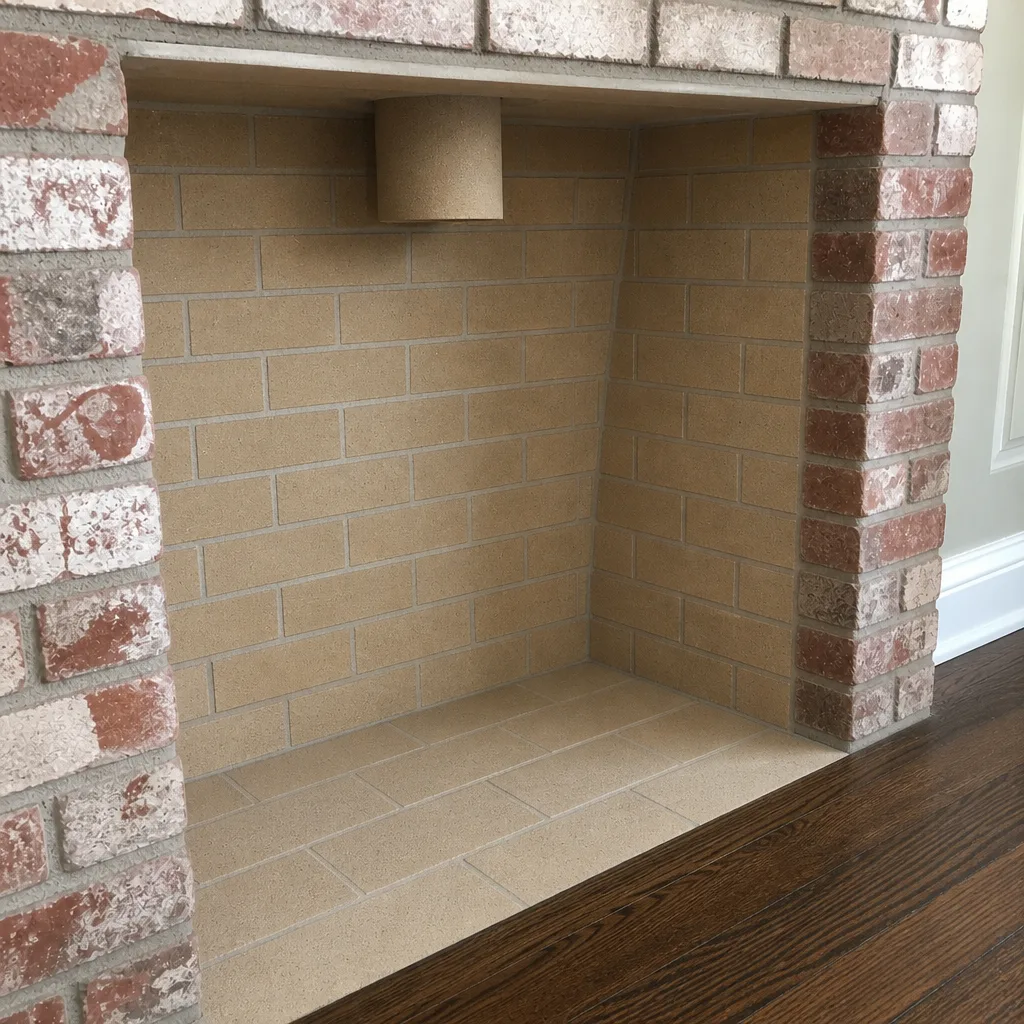
See the difference
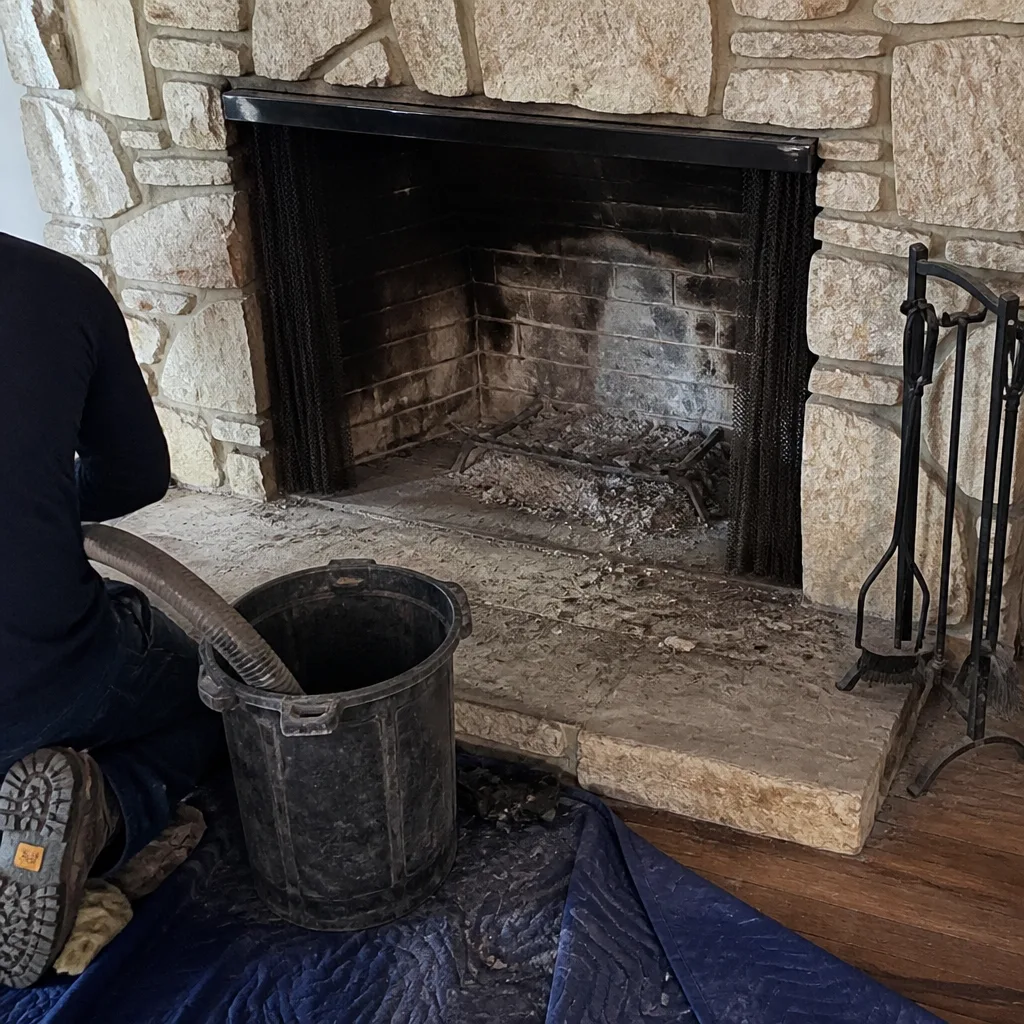 Before
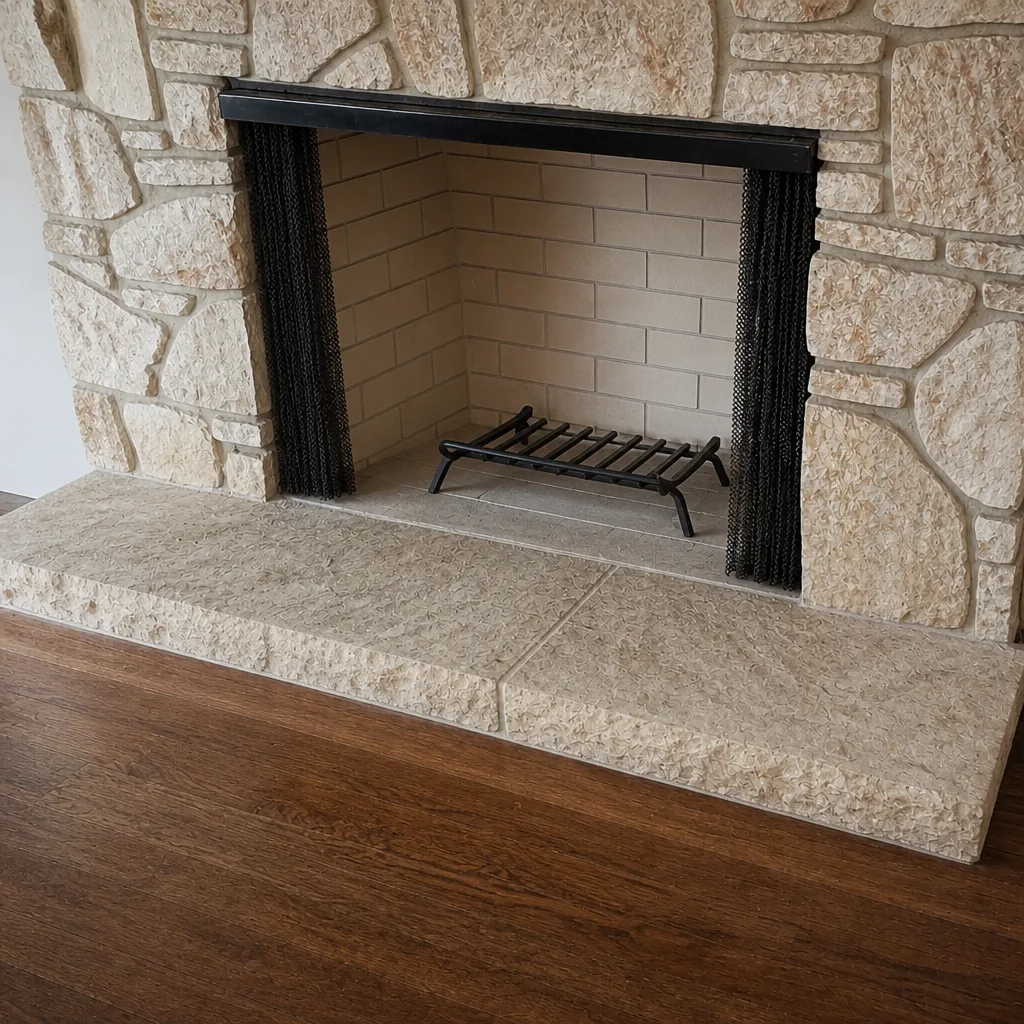 After
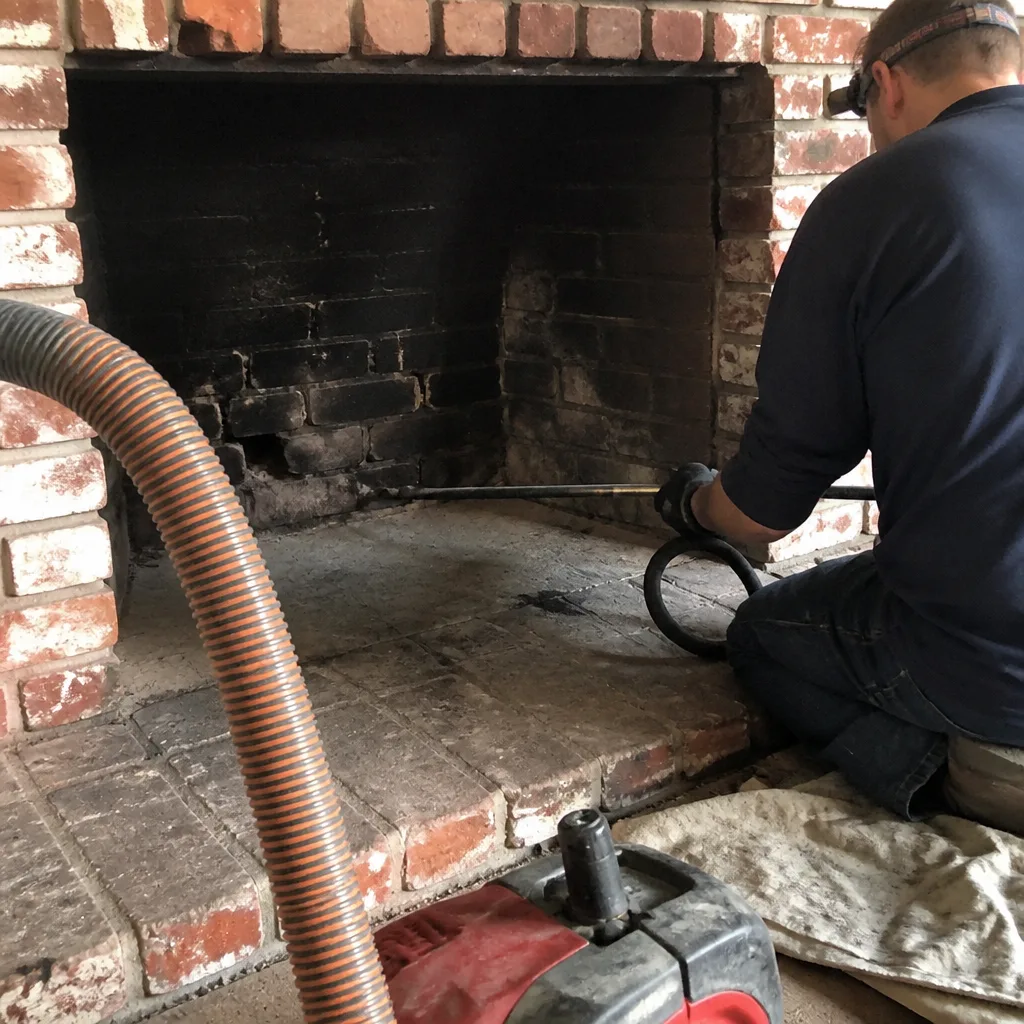 Before
 After
 Before
 After
When to Call a Professional
Call a chimney professional if you’ve had a fire department response to a chimney fire, if you smell smoke inside the house when the fireplace is in use, if the fireplace drafts poorly or won’t draw, if you see cracked tile or damaged mortar, or if it has been more than a season since the last cleaning. Call before the burning season if the chimney hasn’t been inspected in recent memory, and call before you light the first fire if a cap is missing. Any concern about a chimney is worth a look; a sweep and inspection are low-cost compared to the damage a fire can do. Chimney Sweep Vacaville offers free estimates in Vacaville – call (844) 797-8347.
Frequently Asked Questions
A chimney sweep in Vacaville is priced per job by a written estimate, and the estimate is free. Cost depends on the flue condition, creosote buildup, and whether an inspection turns up repair work. Call (844) 797-8347 for an exact quote – estimates are free, and the price on the written estimate is the final price.
Not always. Whether you need a new liner depends entirely on the condition of the flue found during the camera inspection. Some fires leave the liner intact and need only cleaning and minor repair; others crack tile or warp metal. We share the camera footage and photos so you can see the evidence before any recommendation is made, and we tell you plainly when a liner can safely wait.
A chimney used regularly should be swept annually as a baseline, and more often if you burn frequently or notice drafting problems. In Vacaville, the right timing is before the burning season, during the dry stretch when the chimney can be inspected and readied ahead of cold nights. If it’s been more than a season, book it now. Call (844) 797-8347 for a scheduled sweep.
Skipping a cleaning lets creosote accumulate, and creosote is the fuel a chimney fire feeds on. It also means hidden defects – cracked tile, a loose cap, a damaged crown – go unaddressed until the first cold night reveals them. The risk isn’t hypothetical; it’s the leading cause of chimney fires. A pre-season sweep and inspection are the cheapest, fastest way to close that gap. Call (844) 797-8347 if you’re overdue.
Yes, call 911. A chimney fire is a structure fire that can spread into the walls and attic through flue defects. Get out, call 911, and don’t close the damper during an active fire. The fire department clears the scene; a chimney professional handles the inspection afterward.
First, confirm it: if there’s any sign of fire in or around the chimney, get everyone out and call 911. If it’s smoke with no fire – the fireplace is drawing poorly, or smoke is backing into the room – put the fireplace out and close the damper once it’s cool, then call for an inspection before using it again. We answer 24/7 and dispatch from 7am to 7pm, Sunday through Friday. A call outside dispatch hours is booked into the next opening.
The Bottom Line
Chimney fires are preventable, and the window to prevent them is the off-season. Get the chimney cleaned and inspected before the first cold night, keep a working cap on the flue, burn seasoned wood, and never choke down a fire to stretch a burn. If a fire does happen, remember the sequence: get out, call 911, don’t jam the damper shut, and don’t use that chimney again until a camera inspection confirms it’s sound. The fire department response is not the inspection – that’s a separate step, and it’s the one that keeps your home safe afterward.
When you’re ready to get ahead of it, call (844) 797-8347 for a free estimate. We answer 24/7, and fast dispatch runs from 7am to 7pm, Sunday through Friday. Chimney Sweep Vacaville is a chimney-only specialist handling cleaning, repair, and inspection under one team, and our technicians have up to 9 years of experience. We’d rather see your chimney in the off-season than after the fire.
Written by the team at Chimney Sweep Vacaville.